Leave Your Message

Top 10 Cryogenic Semi Trailer Suppliers for Buyers?

Choosing a Cryogenic Semi Trailer supplier is a technical decision, not just a price comparison. Buyers need to assess tank design, insulation performance, payload, axle configuration, and compatibility with their intended cargo. A trailer may look robust in a brochure, yet details such as valve access, weld documentation, and service support matter in daily operation. Small details count.

This guide compares ten suppliers through practical buyer considerations. It highlights product range, customization options, manufacturing experience, quality documentation, and after-sales support. It also points out where public information is limited, because a confident claim is not the same as verified evidence. Buyers should confirm specifications directly and review current records before making a purchase decision.

A named expert quotation is useful only when its wording and source can be checked. No supporting article or interview was provided here, so an authentic quotation cannot be responsibly attributed. Insert a verified statement before publication: “[Exact quotation about cryogenic semi trailers],” said [expert’s full name], [position and organization]. That step may feel less polished for now. It is more reliable than inventing expertise. With that source confirmed, the following supplier overview can help readers form better questions, compare comparable specifications, and identify which manufacturers merit a closer review.
Top 10 Cryogenic Semi Trailer Suppliers for Buyers?

What Cryogenic Semi-Trailers Are and How They Work

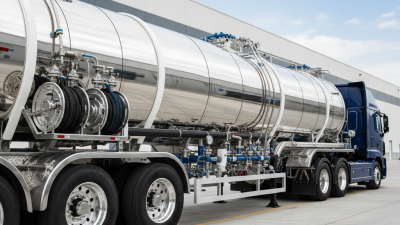
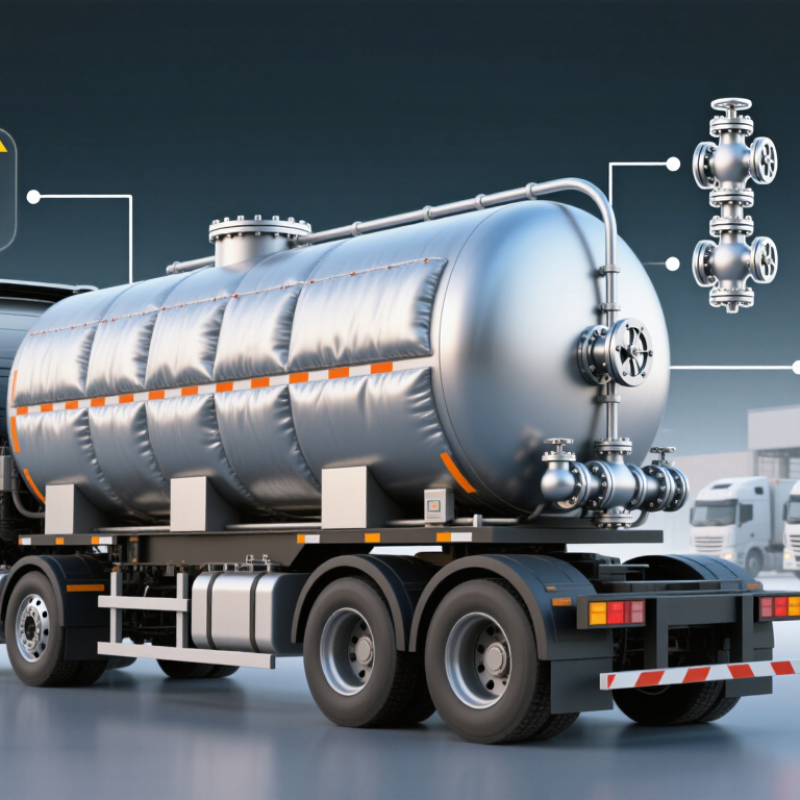
A cryogenic semi-trailer carries gases that have been cooled until they become liquids, greatly reducing their volume. Common industrial examples include liquid nitrogen, oxygen, and argon. The cargo sits inside a pressure vessel mounted on a road chassis. It is not an ordinary tanker with extra insulation.

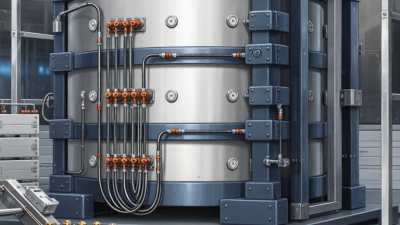
The inner vessel is surrounded by insulation, often with a vacuum space that slows heat transfer. This helps keep the cargo extremely cold during transport. It does not stop heat completely. Even a well-insulated tank gradually warms, so some liquid may vaporize and raise pressure. Designed valves and safety systems manage pressure within the trailer’s operating limits.

At delivery, the liquid moves through dedicated piping into suitable storage equipment. Operators monitor pressure, temperature, and connections, following procedures matched to the cargo and trailer design. Small details matter: a worn seal or an unsecured cap can disrupt a transfer. Not quite simple. The equipment’s layout and operating limits vary, so buyers should check documentation, maintenance records, and compatibility with their planned loading and unloading sites. A specification sheet helps, but it cannot replace a careful inspection.


Key Applications and Technical Specifications

Cryogenic semi-trailers serve industrial gas distribution, energy supply, and some food-processing operations. Typical cargoes include liquefied nitrogen, oxygen, argon, and natural gas. Each application needs a vessel designed for that specific product. A vacuum-insulated tank, often with multilayer insulation, helps limit heat transfer during transit. Buyers should compare usable capacity, maximum working pressure, tare weight, and expected hold time. Small differences matter. A heavier trailer can reduce payload, while longer routes may require stronger thermal performance.

Technical checks should go beyond the headline capacity. Confirm the inner-vessel material, insulation method, pressure-relief arrangement, piping layout, and discharge rate. Ask for drawings, test records, operating instructions, and clear maintenance intervals. Verify that the proposed configuration meets the requirements for the intended route and operating conditions. Supplier specifications can look complete, yet omit details such as residual product limits or unloading time. That deserves a closer look.

Tips: Match the trailer to the gas, route length, loading equipment, and site access. Ask suppliers to explain how hold time was measured and what ambient conditions they assumed. Compare service support and spare-parts availability, not just purchase price. A practical trial or reference from a similar operation can reveal handling issues that a brochure may miss. The paperwork matters, but so does the daily workflow.

How to Evaluate Cryogenic Semi-Trailer Suppliers

Evaluating a cryogenic semi-trailer supplier starts with the cargo, route, and required operating temperature. Ask how the tank, insulation, piping, valves, and pressure controls suit your service conditions. Request technical drawings, material specifications, and inspection records, not just a polished brochure. Small details matter. Check how welds are documented and repairs are recorded.

Review the supplier’s quality process from fabrication through final testing. A reliable supplier should explain its pressure tests, leak checks, insulation inspections, and acceptance criteria. Ask for sample certificates and traceability records for pressure-retaining components. Confirm the trailer’s tare weight, capacity, axle layout, and coupling dimensions against your tractor and loading sites. A mismatch may seem minor until a tight yard turn exposes it.

Service support deserves the same scrutiny as the vessel. Ask where technicians are based, which spare parts are stocked, and how quickly technical questions receive answers. Speak with operators who use similar routes, and ask about downtime, not only satisfaction. Compare warranty terms, including exclusions for wear and operating conditions. No checklist catches everything. Supplier claims can sound precise, but performance also depends on maintenance and training. Leave room for follow-up questions; buyers sometimes accept unclear answers to keep procurement moving.

Top 10 Cryogenic Semi-Trailer Suppliers for Buyers

Top 10 Cryogenic Semi-Trailer Suppliers for Buyers

Choosing among the top 10 cryogenic semi-trailer suppliers is less about brochure rankings than verified performance. GIIGNL’s Annual Report 2024 records 401.4 million tonnes of global LNG trade in 2023. That figure reflects a substantial logistics network, but it does not measure trailer demand directly. Treat it as market context, not a sales forecast. Important distinction.

Compare suppliers on vessel design, insulation performance, pressure controls, payload, and service access. Ask for test records and documented operating results under conditions similar to yours. A well-finished exterior tells you little about vacuum integrity. Small details matter: valve placement, readable gauges, and safe access around fittings. Request maintenance intervals and expected inspection costs in writing. I would not rely on a single demonstration.

A practical shortlist should include ten suppliers only if each meets your technical and service requirements. Check whether replacement parts are available near your routes, and ask how quickly technicians respond to faults. Confirm that the proposed configuration suits the cargo and operating temperatures. Independent inspection can help verify claims before purchase. No supplier is perfect; even a strong design may need adjustments after real-world use.

Top 10 Cryogenic Semi-Trailer Suppliers for Buyers — Key Evaluation Criteria
No. Evaluation Dimension What Buyers Should Check Evidence to Request Why It Matters
1 Pressure-vessel code and market approval Confirm the vessel design and trailer approvals match the destination country, operating pressure, and intended service. Applicable design-code documentation, nameplates, inspection records, and market-specific certificates. Pressure-vessel and vehicle requirements differ by jurisdiction; approval for one market does not automatically establish approval in another.
2 Gas and material compatibility Verify that the vessel, piping, valves, seals, and fittings are suitable for the specified cryogenic liquid and its operating conditions. Material specifications, compatibility statements, and equipment data sheets for the stated cargo. Materials and components must remain suitable at the temperatures and conditions associated with the intended service.
3 Usable capacity and payload Compare nominal vessel volume with usable loading volume, allowable gross vehicle weight, and the payload permitted on planned routes. General arrangement drawing, capacity statement, tare-weight certificate, and axle-load calculation. Practical payload depends on both vessel capacity and legal vehicle-weight limits.
4 Thermal performance Ask how heat ingress and product losses are measured for the proposed insulation and operating configuration. Documented test method, stated test conditions, and a performance guarantee with clearly defined assumptions. Thermal performance affects product retention and operating costs; comparisons are meaningful only when test conditions are comparable.
5 Insulation and vacuum integrity Review the insulation design, vacuum monitoring provisions where applicable, and procedures for detecting or addressing vacuum degradation. Insulation-system description, inspection and test records, and maintenance instructions. Insulation condition is central to limiting heat transfer in vacuum-insulated cryogenic vessels.
6 Pressure control and safety devices Check the pressure-relief arrangement, instrumentation, isolation points, and operating limits against the approved design and cargo service. Instrument and valve list, relief-device specifications, set-pressure documentation, and operating manual. Correctly specified and maintained pressure-protection equipment is essential for safe operation of pressurized vessels.
7 Running gear and road configuration Confirm axle configuration, suspension, braking system, coupling, tires, and overall dimensions suit local regulations and route conditions. Vehicle specification sheet, applicable road-approval documents, and service-part details. Vehicle compliance and load distribution affect road legality, handling, and access to delivery sites.
8 Manufacturing quality and traceability Assess fabrication controls, material traceability, weld inspection, pressure testing, and final inspection procedures. Quality-system documentation, material records, weld and non-destructive examination reports, and test certificates. Traceable inspection and test records help buyers verify that the delivered equipment matches its approved design.
9 Commissioning, training, and documentation Establish what commissioning support, operator training, language-specific manuals, and handover documents are included. Delivery scope, commissioning checklist, training plan, operating instructions, and maintenance schedule. Clear handover information supports correct operation and routine inspection after delivery.
10 Warranty, maintenance, and parts support Compare warranty terms, service response arrangements, inspection support, and availability of replacement parts in the operating region. Written warranty, service contact details, recommended maintenance intervals, and parts-supply terms. Support availability can affect downtime and the long-term cost of operating specialized transport equipment.

Comparing Supplier Support, Compliance, and Total Cost

When comparing cryogenic semi trailer suppliers, look beyond the purchase price. Ask how quickly their service team responds and whether technicians can support your operating region. A clear maintenance schedule, accessible spare parts, and practical operator training can reduce delays when a trailer needs attention. Request sample inspection records and confirm which pressure-vessel and transport documents accompany delivery. Small details matter.

Tips: Ask for a written breakdown of commissioning, scheduled maintenance, and warranty exclusions. Compare the same assumptions across every quote, including delivery distance and expected annual use. Check who handles documentation updates when requirements change.

Total cost also includes fuel or energy use, inspections, repairs, and time out of service. Review insulation performance data and ask how it was measured; figures without test conditions are hard to compare. Confirm that compliance documents match the destination and intended service, then have a qualified reviewer verify them. No spreadsheet captures every delay. A supplier with strong support may still have longer lead times, so ask for realistic parts and repair estimates. Some estimates will remain uncertain, and that is worth noting rather than hiding it.