Top 10 Cryogenic Gas Storage Solutions for Global Buyers?
Cryogenic gas storage is essential for various industries, including healthcare and energy. As global demand for energy-efficient solutions increases, understanding these technologies becomes critical. This article highlights the top ten cryogenic gas storage solutions available for international buyers.
Cryogenic gas storage involves maintaining gases at extremely low temperatures to keep them in a liquid state. This method enhances energy density and allows for efficient transportation. Many innovations exist, but not all solutions may suit every application. Therefore, evaluating each option is vital.
The relevance of cryogenic gas storage is highlighted through real-world applications. For instance, in medical settings, it preserves vital gases like oxygen. Each storage solution possesses unique features, capacities, and safety measures. Buyers must reflect on their specific needs and risks. This ensures informed decisions on the best storage solution for their requirements.
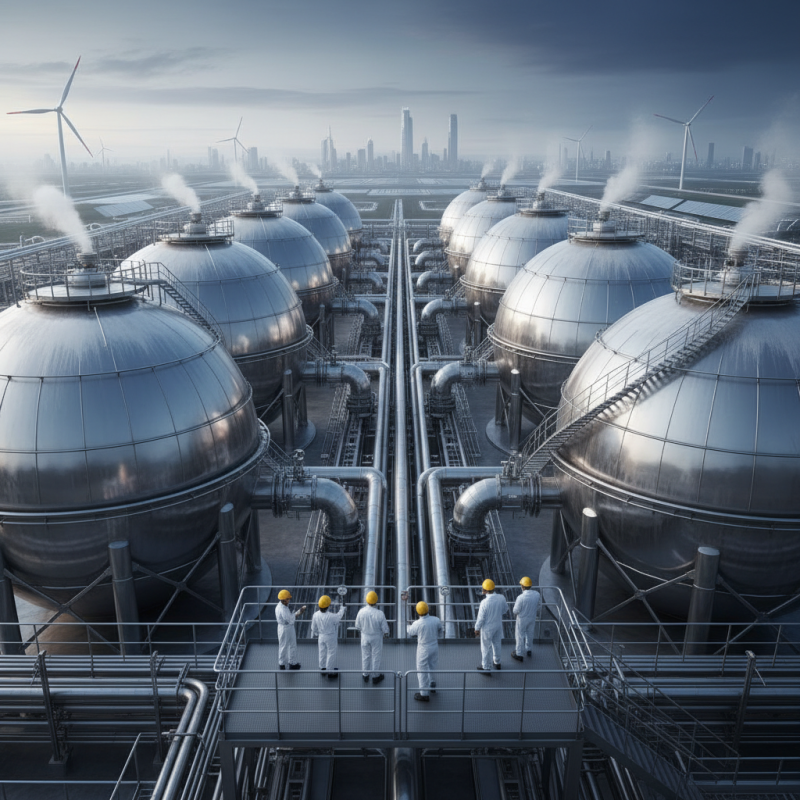
Overview of Cryogenic Gas Storage Technologies
Cryogenic gas storage is a critical component in various industries. It ensures the safe and efficient handling of gases at extremely low temperatures. Technologies in this field have evolved significantly. These advancements reflect the demand for safe storage solutions.
One common method is the use of insulated tanks. These tanks minimize heat transfer, maintaining gases in their liquid state. However, they require regular monitoring. A small failure can lead to serious safety issues. Another popular approach is vacuum-assisted storage. This method provides excellent thermal protection. Yet, the complexity can impose challenges during setup and maintenance.
Flexible storage solutions are also emerging. They can adapt to fluctuating demands. Still, they may not offer the durability of traditional systems. As industries move toward greener practices, cryogenic storage technologies must keep pace. Innovation is essential to meet future needs. However, the evolving landscape poses questions about reliability and efficiency. Continuous improvements are necessary to ensure these systems remain safe and effective.
Top 10 Cryogenic Gas Storage Solutions
Types of Cryogenic Gases and Their Applications
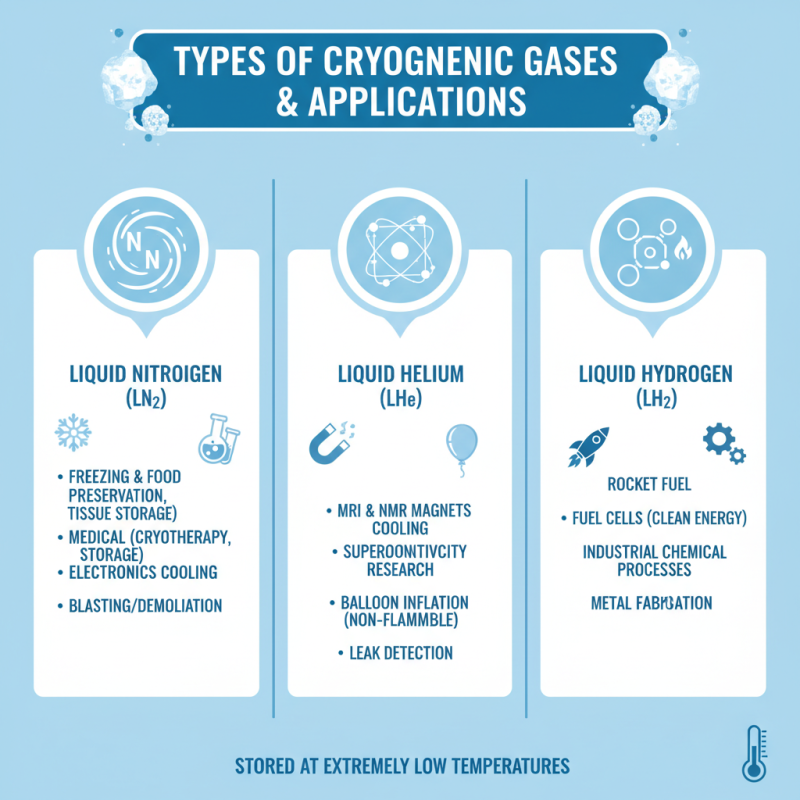
Cryogenic gases play a crucial role in various industries. These gases, stored at extremely low temperatures, enable many applications. The most common cryogenic gases include liquid nitrogen, helium, and hydrogen. Each gas serves specific purposes across different fields.
Liquid nitrogen is often used in medical applications, especially for cryopreservation. It's effective for preserving biological samples. However, potential risks exist. Handling requires proper training. Users must ensure safety protocols are followed to prevent accidents.
Helium is vital for cooling superconducting magnets in MRI machines. This gas also finds use in party balloons. The helium market is facing challenges due to limited natural resources. Buyers should consider sustainability and look for alternatives where possible.
Hydrogen is gaining traction as a clean fuel source. It powers fuel cells for vehicles, reducing carbon emissions. However, storage challenges remain. Buyers must be aware of the latest storage solutions to maximize efficiency and safety.
Tip: Always consult with experts when selecting cryogenic storage systems. Understanding the properties of each gas is essential. Regular training can help prevent mishaps. Staying informed about advancements in technology enhances safety in handling cryogenic materials.
Key Factors in Selecting Cryogenic Storage Solutions
When selecting cryogenic gas storage solutions, several key factors emerge.
Safety is paramount. Ensure that the storage equipment you choose meets all regulatory standards.
Inspect the materials used for construction. Look for options that feature robust insulation and pressure relief systems.
Capacity and efficiency matter significantly.
Consider the volume of gas that will be stored. Effective insulation can reduce boil-off rates,
which is essential for maintaining the integrity of the gas over time. Furthermore, evaluate the energy consumption of the storage solution.
Energy-efficient designs can lead to long-term cost savings.
Tips: Always consult professionals. Their expertise can guide you toward the best practices in cryogenic storage.
Check for certifications and user reviews to gauge reliability. A solution that works for one application may not be ideal for another.
Regular maintenance is required, but many overlook this aspect. Ensure your team is trained for ongoing inspections.
Top Manufacturers and Suppliers of Cryogenic Storage Systems
Cryogenic gas storage systems are vital for various industries, including healthcare, energy, and aerospace. The growth of these sectors is driving demand for reliable storage solutions. According to a recent market report, the global cryogenic storage market is projected to reach $25 billion by 2028, growing at a compound annual growth rate (CAGR) of around 10%. This boom highlights the importance of understanding both suppliers and manufacturers in this field.
When selecting a storage system, buyers must consider key factors like material compatibility, insulation type, and tank design. Proper insulation increases efficiency and safety. Suppliers who specialize in cryogenics often provide tailored solutions suited to specific applications. Many of these suppliers have decades of experience in the industry, essential for maintaining quality and reliability.
Tips: Always verify the credentials of suppliers. Look for those with verified certifications and client testimonials. When exploring options, do not solely focus on the lowest price. Assess the long-term value and support services offered. Understanding the nuances in cryogenic storage can prevent costly mistakes down the line. Proper research will lead to more informed decision-making.
Top 10 Cryogenic Gas Storage Solutions for Global Buyers
| No. |
Storage Type |
Capacity (Liters) |
Pressure (psi) |
Insulation Method |
Application |
| 1 |
Vertical Cryogenic Storage Tank |
10000 |
250 |
Vacuum Insulation |
Industrial Gas Supply |
| 2 |
Cryogenic Dewar Flask |
50 |
None |
Multi-layer Insulation |
Laboratory Research |
| 3 |
Above Ground Cryogenic Tank |
25000 |
300 |
Expanded Polystyrene |
Medical Applications |
| 4 |
Horizontal Cryogenic Storage Tank |
15000 |
200 |
Cryogenic Insulation |
Energy Sector |
| 5 |
Cryogenic Pump System |
N/A |
None |
N/A |
Transfer Applications |
| 6 |
Portable Cryogenic Tank |
1000 |
150 |
High-efficiency Insulation |
Mobile Gas Delivery |
| 7 |
Cryogenic Bulk Storage Tank |
20000 |
350 |
Multi-layer Insulation |
Chemical Processing |
| 8 |
Cryogenic LNG Storage Tank |
50000 |
250 |
Vacuum Insulation |
Natural Gas Storage |
| 9 |
Cryogenic Cold Box |
1000 |
100 |
Insulated Pressure Vessel |
Gas Processing |
| 10 |
Cryogenic Liquid Storage Tank |
30000 |
400 |
Cryogenic Insulation |
Aerospace Applications |
Future Trends in Cryogenic Gas Storage Solutions
Cryogenic gas storage is crucial for various industries. The demand for natural gas storage solutions is rising. According to a recent report, the cryogenic storage market is expected to grow at a CAGR of 5.2% from 2023 to 2030. This indicates a robust shift towards efficient storage technologies. Keeping gases like LNG at extremely low temperatures enhances energy density, making transportation easier.
Innovation is key in this field. Developments in insulation materials and storage tank design are pivotal. Advanced technologies are pushing boundaries. For instance, vacuum insulated tanks are becoming more prevalent. They minimize heat transfer, maintaining low temperatures for longer periods. However, challenges remain. Ensuring safety and efficiency during loading and unloading procedures needs improvement.
Moreover, the integration of renewable energy sources with cryogenic storage presents new opportunities. Energy systems that utilize cryogenics can balance supply and demand effectively. However, the initial investment cost is a significant barrier for many companies. This creates a need for financial models that make adoption easier. The future of cryogenic gas storage will depend on advancements in technology and cost management strategies.