How to Choose the Best Cryogenic Storage Tank for Your Needs?
Choosing the best Cryogenic Storage Tank can be a daunting task. Various factors influence your decision. You need quality, reliability, and efficiency. Finding a tank that fits your needs is essential for safe storage.
Many industries require cryogenic storage for liquefied gases. From healthcare to manufacturing, selecting the right tank applies to all. This involves understanding capacity, material, and insulation type. Often, specific applications can complicate your choices.
Evaluating each option is crucial. You may feel overwhelmed by the available choices. However, taking your time can lead to better decisions. Weigh the pros and cons carefully. A wrong choice could lead to financial and safety risks.
Understanding Cryogenic Storage Tanks: A Comprehensive Overview
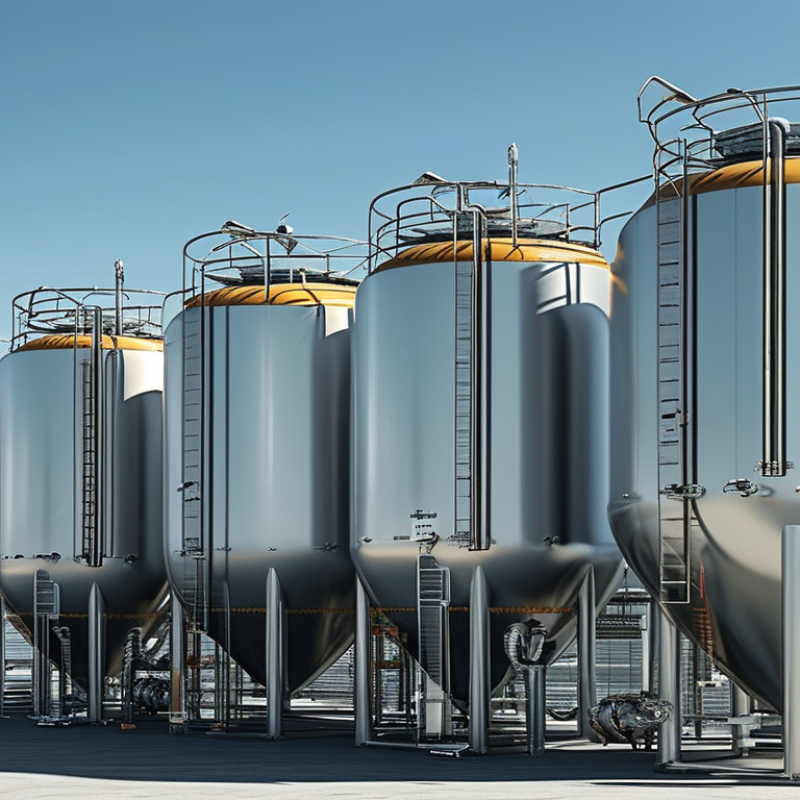
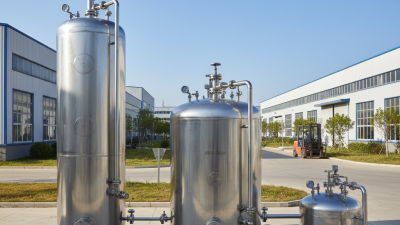
Cryogenic storage tanks are essential for various industries, including healthcare and aerospace. These tanks are designed to store gases like liquid nitrogen, oxygen, and argon at very low temperatures. Understanding their features can help you choose the right one for your needs. They come in various sizes and designs, which can affect their efficiency and utility.
When selecting a cryogenic storage tank, consider the insulation technology. Vacuum insulation is common, but some models may incorporate foam insulation. Performance may vary, depending on the insulation. Also, pay attention to the materials used in construction. Stainless steel and aluminum are popular because of their durability and resistance to corrosion.
Another aspect to consider is the tank's transfer system. Some tanks are equipped with pumps, making it easier to move liquids. However, these systems are often complex and may require regular maintenance. Additionally, the safety features of the tank are crucial. Proper venting and pressure relief mechanisms can prevent dangerous situations. So careful research is key to ensuring functionality and safety.
Types of Cryogenic Storage Tanks and Their Applications
Cryogenic storage tanks come in various types, each designed for specific applications. These tanks primarily store liquefied gases at extremely low temperatures. The most common types include double-walled tanks, which provide insulation, and vacuum-insulated tanks. Both types maintain low temperatures effectively, but their applications can differ significantly. Double-walled tanks are typically used in industrial settings. They are robust and suitable for large volumes.
On the other hand, vacuum-insulated tanks are often utilized in laboratories. They offer superior insulation for smaller quantities of gases. This makes them ideal for research purposes. However, selecting the right tank should not be taken lightly. Factors like storage capacity and insulation quality are crucial. You may find yourself torn between options. Some users might overlook the importance of maintenance in tank performance. Regular checks can prevent leaks and ensure safety.
Consider the materials used in tank construction. Stainless steel is common, but other materials can also be effective. Incorrect material choices can lead to unexpected failures. Don't rush into a decision without proper consultation. Reflect on your specific needs and the environment where the tank will be used. Each choice has unique advantages and potential drawbacks. Make informed decisions based on experience and research to ensure reliable performance.
How to Choose the Best Cryogenic Storage Tank for Your Needs?
| Type of Cryogenic Storage Tank |
Typical Applications |
Storage Capacity (Liters) |
Operating Temperature (°C) |
| Vertical Cryogenic Tank |
Storage of liquid nitrogen, oxygen, and argon |
500 - 30,000 |
-196 to -160 |
| Horizontal Cryogenic Tank |
Transport and storage of cryogenic liquids |
1,000 - 50,000 |
-196 to -150 |
| Cryogenic Dewar |
Laboratory and medical applications |
10 - 200 |
-196 to -150 |
| Cryogenic Vacuum Insulated Tank |
Industrial gas storage |
5,000 - 100,000 |
-196 to -160 |
Key Factors to Consider When Choosing a Cryogenic Tank
Choosing the right cryogenic storage tank requires careful consideration. The tank's capacity is crucial. It should align with your storage needs and anticipated usage patterns. Oversized tanks can lead to unnecessary costs and inefficient space usage. On the other hand, undersized tanks may result in delays and supply shortages, which can be critical for operations that rely on consistent access to cryogenic materials.
Material quality plays a significant role in the tank's effectiveness. Many cryogenic tanks use stainless steel due to its durability and resistance to corrosion. However, not all stainless steels are created equal. It’s crucial to examine the specific alloy grades used, as they can vary in performance under extreme temperatures. Furthermore, insulation type is vital. Vacuum insulation provides excellent thermal performance but may require more maintenance compared to other options.
Lastly, consider the tank’s pressure rating. This factor determines how much gas the tank can safely hold. While higher pressure ratings can offer advantages, they also involve increased risks. Safety features, like pressure relief valves, are essential. These components ensure the safe operation of the tank. It's wise to consult with experts and ask for detailed specifications before making a final decision. Every tank can be a potential source of problems if chosen incorrectly. Always keep room for adjustments and improvements in your selection process.
Evaluating Tank Capacity and Size Requirements
When selecting a cryogenic storage tank, evaluating capacity and size is crucial. Consider the volume of material you'll store. Tanks are available in various sizes, often ranging from small units for lab use to large tanks for industrial needs. Knowing your required capacity helps ensure that you don’t overpay for excess space.
Tip: Measure the space available at your facility. This can prevent issues with fitting the tank in your operational area. Space constraints may require you to opt for a more compact design or to rethink your layout.
Don't overlook the weight of a full tank. Make sure the supporting structures can handle the tank's weight when filled. If the design is inefficient or the tank is too large, it can lead to operational challenges. Evaluate not only your current needs but anticipate future demands as well.
Tip: Create a checklist of specifications as you evaluate tanks. This helps maintain focus on your priorities and makes comparisons easier. This practice can expose possible flaws in your approach, highlighting areas that need further investigation.
Safety Standards and Regulations for Cryogenic Storage Tanks
When considering cryogenic storage tanks, understanding safety standards is crucial. These tanks must comply with stringent regulations. They protect not only the stored materials but also personnel and the environment. Tanks must be engineered to withstand extreme temperatures. This includes using materials that can resist brittleness at low temperatures. Regular inspections ensure that tanks remain in good condition.
It is essential to familiarize yourself with local safety regulations. Different regions may have varying guidelines regarding installation and maintenance. Training staff on proper handling and emergency procedures is equally important. Safety audits can reveal gaps in compliance. Pay attention to potential hazards, such as leaks or pressure build-up.
Investing in safety doesn’t just mean following rules. It’s about creating a culture of awareness. Procedures for immediate response can minimize risks. Regular updates to safety protocols are beneficial. Engaging with experts in cryogenic technology can enhance your understanding. Scrutinizing past incidents can yield valuable lessons. Consider how your processes can improve and adapt over time.