Big Capacity Liquid Dewar for Efficient Storage Solutions?
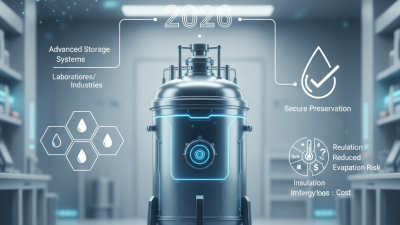
In the increasingly demanding landscape of industrial storage solutions, the role of a Big Capacity Liquid Dewar has become crucial. These specialized vessels offer efficient storage for liquefied gases, providing safe and effective options for various applications. As industries strive for sustainability, optimizing storage becomes essential. A Big Capacity Liquid Dewar can significantly reduce storage costs while improving safety standards.
Employing advanced materials and insulation technology, these Dewars maximize storage efficiency. They minimize resource loss and ensure content integrity. Industries such as healthcare, food, and manufacturing benefit immensely from this innovation. However, reliance on technology presents challenges too. Users must be aware of maintenance requirements and environmental impacts.
As we explore the potential of Big Capacity Liquid Dewars, it’s vital to balance efficiency with responsible usage. Understanding the intricacies of these vessels can lead to sustainable practices. This exploration not only highlights the benefits but also calls attention to areas requiring improvement in safety and environmental stewardship.
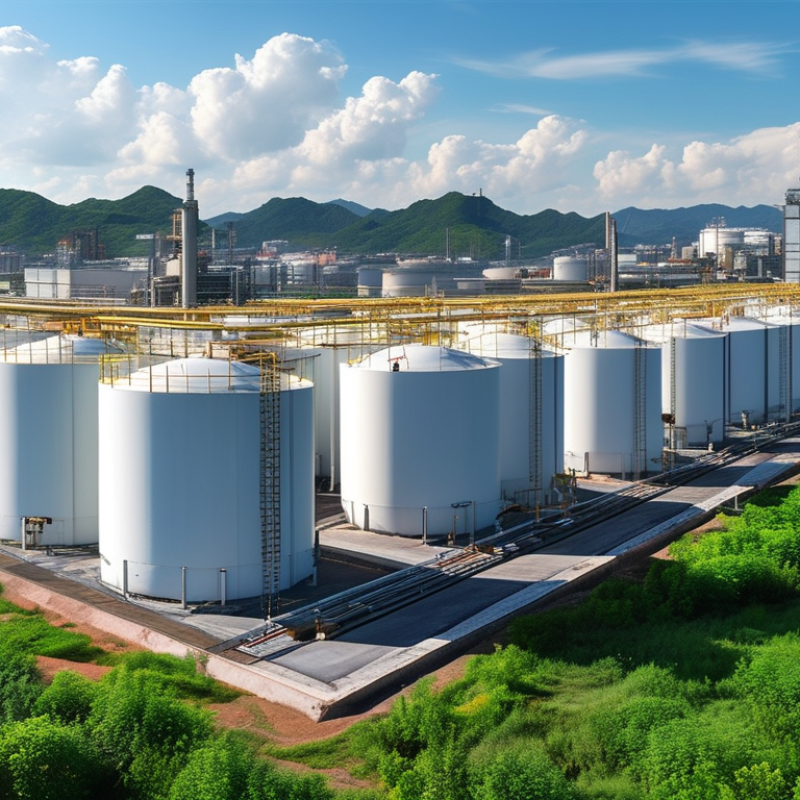
Big Capacity Liquid Dewars: An Overview of Their Design and Features
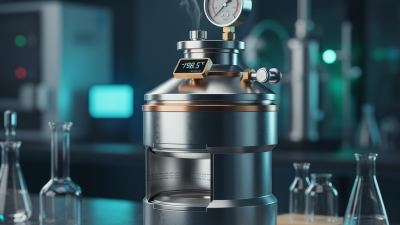
Big capacity liquid dewars are invaluable for various industries. Their design prioritizes thermal insulation and durability. Typically, these dewars use materials like stainless steel and aluminum to achieve lightweight yet robust structures. Notably, they feature advanced vacuum insulation technology. This prevents heat transfer, keeping the contents at stable temperatures for longer periods.
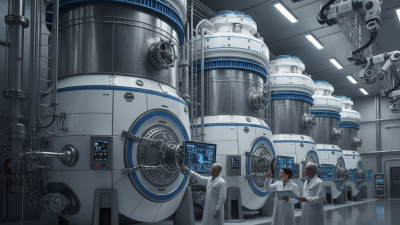
The storage capabilities of these dewars often exceed standard options. Some models can hold hundreds of liters of liquid gases. Many users appreciate the extended storage time and reduced refilling frequency. However, the size can be a double-edged sword. Larger dewars might require complex handling procedures and additional safety measures. Ensuring the correct use remains a constant challenge.
Moreover, maintenance is crucial for efficiency. Users may overlook regular checks for wear and tear. Failures in seals can lead to leaks and inefficiencies. Addressing these potential issues involves a proactive maintenance routine. It's essential to balance size benefits with operational reliability.
Big Capacity Liquid Dewar: Storage Capacity Comparison
Advantages of Large Liquid Dewars for Storage and Transportation
Large liquid Dewars are gaining attention for their efficient storage and transportation capabilities.
These specialized containers can hold large volumes of cryogenic liquids, providing a practical solution for various industries.
They enable bulk storage while maintaining the low temperatures necessary for these materials, which is crucial for preserving their integrity.
One of the main advantages of large liquid Dewars is their enhanced safety features.
Many designs include advanced insulation that minimizes heat transfer. This quality reduces the risk of pressure build-up and minimizes the chances of leakage.
Additionally, transporting large quantities becomes more efficient.
Instead of multiple smaller containers, a single large Dewar can fulfill the need, saving time and energy.
However, there are challenges to consider. Operating large Dewars requires trained personnel.
There is a risk associated with handling cryogenic materials, which can lead to accidents if not managed properly.
Regular maintenance and inspections of the storage system are vital to ensure safety.
Recognizing these factors is essential to leveraging the benefits of large Dewars effectively.
Applications of Big Capacity Liquid Dewars in Various Industries
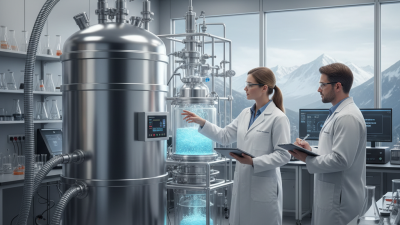
Big capacity liquid dewars play a crucial role in various industries. They provide efficient storage solutions for cryogenic liquids such as nitrogen and oxygen. In laboratories, these dewars are essential for preserving biological samples. They ensure that sensitive materials remain at stable temperatures.
In industrial sectors, big dewars facilitate the transportation of gases. They allow for safe and effective delivery to different locations. Hospitals also benefit, as these dewars support medical applications like cryopreservation. This technology aids in organ storage, ensuring that critical supplies remain intact.
Tips: When using liquid dewars, ensure regular maintenance checks. Monitor temperature and pressure levels consistently to avoid accidents. Always train staff on proper handling techniques. Understanding your specific needs can optimize performance and safety.
Organizations should consider the available space for these equipment. Many overlook the importance of ventilation and accessibility. Reflect on your requirements and make necessary adjustments.
Maintenance and Safety Protocols for Large Liquid Dewars
Proper maintenance and safety protocols for large liquid dewars are crucial. Regular checks ensure they function efficiently. These dewars help store cryogenic liquids safely but require careful handling. Staff should receive training on how to manage them properly.
Tips: Always check for leaks. Regular inspections can prevent dangerous incidents. Additionally, ensure all users wear proper protective gear to minimize risks.
In emergencies, quick response is vital. Have a plan in place for different scenarios involving liquid spills or exposure. Knowledge of emergency procedures can save lives. Preparing for the unexpected is essential in any setting that uses large liquid dewars.
Tips: Encourage a culture of safety. Regular drills enhance team preparedness. Remember, any oversight can lead to serious accidents. Continuous learning and improvement are key in maintaining these systems effectively.
Future Innovations in Liquid Dewar Technology for Enhanced Efficiency
Liquid Dewar technology plays a crucial role in the efficient storage of cryogenic liquids. Innovations are transforming this field, making storage solutions more effective. With rising demands in various industries like healthcare and technology, advancements in Dewar design are essential for improving functionality and efficiency.
Recent developments focus on materials that enhance thermal insulation. Some new designs use advanced composites to maintain low temperatures. These changes can substantially reduce energy consumption. However, challenges remain. For example, current designs may struggle with leakage over time, impacting long-term efficiency. Addressing this issue needs further investigation and innovation. Additionally, the need for maintenance can complicate the storage process.
Future enhancements may also include smart technologies. Sensors could monitor temperatures and alert users to potential issues. Such integrations aim to increase reliability. However, the complexity of these systems might deter widespread adoption. Balancing innovation with user-friendliness is crucial. As the industry evolves, the quest for more efficient solutions continues, highlighting both progress and the need for ongoing improvement.