Leave Your Message

Best Cryogenic Storage Tank Suppliers in China?

Choosing a cryogenic storage tank supplier in China requires more than comparing prices or polished brochures. Buyers must examine vessel design, insulation performance, pressure controls, weld quality, testing records, and after-sales support. Small details matter. A rough internal weld or weak vacuum insulation can undermine years of reliable service.

Industry data shows why careful supplier evaluation matters. GIIGNL’s Annual Report 2024 records 401.4 million tonnes of global LNG trade in 2023. The International Energy Agency’s Global Hydrogen Review 2024 estimates that hydrogen demand reached almost 100 million tonnes that year. These figures describe growing energy markets, not tank sales, but they highlight the need for dependable cryogenic infrastructure. NASA cryogenic-insulation researcher John Fesmire has emphasized a practical lesson: insulation performance should be assessed as a complete system, not judged by one material claim. That is useful advice, though supplier claims still need independent evidence.

This guide compares Chinese suppliers through practical criteria: product range, technical documentation, manufacturing capability, inspection processes, and export experience. It also considers whether a supplier can explain design limits clearly, provide traceable test records, and support installation and maintenance. A low quotation may look attractive. It may not tell the whole story. Buyers should verify specifications against their operating conditions and request evidence before making a decision.
Best Cryogenic Storage Tank Suppliers in China?

What Cryogenic Storage Tanks Are and How They Are Used

What Cryogenic Storage Tanks Are and How They Are Used

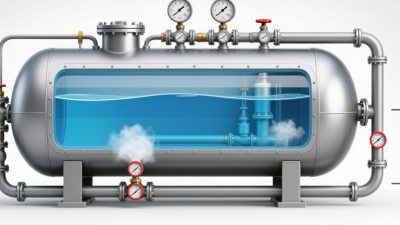
Cryogenic storage tanks hold liquids that must remain extremely cold, such as liquid nitrogen, oxygen, or argon. Many designs use a stainless-steel inner vessel, an outer shell, and insulation between them. A vacuum layer helps slow heat transfer, though it cannot stop warming completely. Cold changes everything.

These tanks support applications in healthcare, food processing, manufacturing, and research. For example, a facility may store liquid nitrogen for controlled cooling or keep oxygen available for an industrial process. Tank size, pressure rating, insulation, and delivery setup depend on the liquid and its intended use. Good operating practice matters as much as the vessel itself. Operators monitor pressure and temperature, check valves and connections, and follow the equipment maker’s procedures. Small leaks or damaged insulation can increase product loss and create hazards. It is easy to overlook routine checks when a tank appears quiet and stable.

Tips: Keep access routes clear, label lines clearly, and record inspection findings. Use trained personnel and suitable protective equipment when handling cryogenic systems. A practical note: inspection records can be imperfect, so review gaps rather than assuming an undocumented check was completed.

Cryogenic Fluids: Normal Boiling Points

Normal boiling points at 1 atmosphere illustrate the extremely low temperatures cryogenic storage tanks are designed to handle. Such tanks are used to store and supply liquefied gases for industrial, medical, energy, and scientific applications.

Values are approximate normal boiling points. LNG is a mixture, so methane is shown as a representative component rather than LNG itself.

Types of Cryogenic Tanks Available from Chinese Suppliers

Chinese suppliers commonly offer vertical and horizontal vacuum-insulated cryogenic tanks. Vertical models save floor space and suit facilities with steady liquid nitrogen, oxygen, or argon demand. Horizontal tanks are often easier to load onto transport vehicles or install where overhead clearance is limited. Access matters.

For smaller, distributed operations, microbulk tanks provide on-site storage without the footprint of a large vessel. Larger projects may use stationary tanks with capacities matched to process demand and delivery schedules. Transportable tanks, including road and container formats, support movement between locations. LNG storage may require a different configuration, so the intended fluid and operating conditions should guide the choice.

Most designs use an inner vessel, an outer jacket, and insulation that limits heat transfer. Buyers should compare working pressure, usable capacity, insulation method, relief devices, and documentation—not just dimensions. Ask suppliers for drawings, material specifications, inspection records, and maintenance guidance. A tank that looks suitable on paper may not fit the site’s piping or access route. I would not treat one standard configuration as universal; small details can change the installation plan. A careful review helps reveal them.

Key Criteria for Evaluating Cryogenic Tank Suppliers in China

Choosing a cryogenic tank supplier in China starts with the intended service: liquid oxygen, nitrogen, argon, or LNG. Each application brings different temperatures, pressures, materials, and inspection needs. Ask for the design basis, applicable code, material certificates, weld traceability, and non-destructive examination records. Details matter. For vacuum-insulated vessels, request measured vacuum levels and documented holding performance. For larger LNG tanks, review containment design, foundation requirements, and operating procedures instead. Compare like with like.

Market scale makes supplier verification especially important, but it does not prove product quality. The International Gas Union’s World LNG Report 2024 records global LNG trade of 401.4 million tonnes in 2023. Use this as context, not as a shortcut for judging a factory. Request test records for the specific tank type, including pressure tests and, where relevant, boil-off or insulation performance. Check whether drawings, manuals, and spare-parts support are available in usable formats. A factory visit helps. Still, a polished tour cannot replace third-party inspection and traceable records. Ask how defects are handled after delivery, and who responds during commissioning. That answer can be revealing—and sometimes less tidy than the brochure suggests.

How to Compare Supplier Quality, Certifications, and Service

Best Cryogenic Storage Tank Suppliers in China?

How to Compare Supplier Quality, Certifications, and Service

Comparing cryogenic tank suppliers takes more than checking capacity and price. Ask how they control material traceability, welding, insulation, and final inspection. Request sample records, not just a list of quality procedures. Details matter. A clear record should connect material certificates and weld inspections to the specific tank being offered.

Check each certificate’s scope, issuing body, site, and validity date. A certificate may cover a management system without verifying a particular tank design. Ask which design code applies and how pressure, vacuum, and leak tests are documented. If answers stay vague, request a redacted inspection report or a factory audit. A polished brochure is not proof. Neither is a certificate that cannot be independently verified.

Service quality becomes visible after delivery. Compare engineering support, installation guidance, commissioning availability, spare-parts access, and response times. Ask who handles a technical issue across time zones, and get realistic service commitments in writing. Speak with customers operating similar tanks, if possible. It is tempting to score every item equally, but a weak inspection process may matter more than a small price difference. Some comparisons remain imperfect; supplier documents rarely show every shop-floor detail. Weigh the evidence, and note what is still unknown.

Choosing a Supplier for Your Cryogenic Storage Requirements

Best Cryogenic Storage Tank Suppliers in China?

Choosing a Supplier for Your Cryogenic Storage Requirements

Choosing a cryogenic storage tank supplier starts with the actual duty, not a catalogue page. Define the stored medium, working pressure, usable capacity, filling method, and expected daily draw. Ask how the tank is insulated and what boil-off performance is expected under stated conditions. Numbers matter. A vague capacity claim can hide a poor fit.

Request drawings, material specifications, inspection records, pressure-test documentation, and clear installation requirements. Compare them with your site layout, foundation, access route, and utility connections. A supplier should explain maintenance intervals, spare-part availability, alarm options, and response times in plain terms. For a China-based supplier, clarify export packing, shipping responsibilities, and delivery milestones. Price matters, but a low quote may omit valves, instruments, or service. It is easy to focus on specifications and overlook support after delivery; that deserves a second look.

Tips: Send each shortlisted supplier the same operating data and request an itemized proposal. Confirm what is included, what remains your responsibility, and how design changes affect lead time. Keep the answers. A short call can reveal gaps, but written details are easier to verify later.

Best Cryogenic Storage Tank Suppliers in China? - Choosing a Supplier for Your Cryogenic Storage Requirements

Evaluation Area What to Check with the Supplier Useful Benchmark or Evidence Why It Matters
Stored medium Confirm the tank is designed for the intended fluid, such as liquid oxygen, liquid nitrogen, liquid argon, LNG, or liquid carbon dioxide. Ask for the design temperature, allowable working pressure, material compatibility, and fluid-specific safety provisions on the data sheet. Different cryogenic fluids have different operating and material requirements. A tank intended for one service should not be assumed suitable for another.
Tank configuration Compare vertical or horizontal construction, stationary or transportable use, and vacuum-insulated or other specified insulation arrangements. Review a dimensioned general arrangement drawing, foundation loads, nozzle orientation, and installation clearances. Configuration affects site layout, access, transport, installation, and connections to the process system.
Capacity and operating pressure Specify the required working volume, normal operating pressure, design pressure, and required filling and withdrawal rates. Compare the supplier’s proposal against your process duty; capacity and pressure ranges are model- and application-specific, not universal. A nominal capacity alone does not establish whether a tank can meet the required supply rate or operating conditions.
Design and manufacturing code Identify the code and edition used for design, fabrication, inspection, and acceptance, and confirm it is suitable for the destination market. Relevant references may include China’s GB/T 150 series for pressure vessels and GB/T 18442 series for stationary vacuum-insulated cryogenic pressure vessels. Confirm applicability and current editions for the specific project. A clearly stated code basis makes the design and inspection requirements easier to review and helps avoid market-compliance issues.
Materials and insulation Check inner-vessel and outer-jacket materials, insulation system, vacuum arrangement where applicable, and corrosion protection. Request material certificates, insulation details, and the specified heat-leak or holding-time performance basis. Materials must suit the fluid and temperature; insulation performance affects product loss and operating cost.
Inspection and testing Ask which inspections and tests are included and which are performed by the manufacturer or an independent inspection body. Request the inspection and test plan, applicable non-destructive examination records, pressure-test records, and final acceptance documents as required by the governing code. Documented inspection provides traceability and evidence that the delivered equipment meets its specified requirements.
Safety and controls Review pressure-relief devices, instrumentation, level indication, venting, filling connections, and any fluid-specific safety features. Request a piping and instrumentation diagram, valve and instrument list, relief-device sizing basis, and operating instructions. Safety equipment and control interfaces must match the site’s process, operating procedures, and applicable regulations.
Export and destination requirements Confirm the applicable destination-country requirements, shipping dimensions, lifting points, packaging, and customs documentation. Obtain written confirmation of the proposed code basis, required certificates, delivery scope, and responsibility for third-party approvals. Compliance and logistics requirements vary by destination and equipment type; they should be agreed before the purchase order.
After-sales support Clarify commissioning assistance, spare-parts availability, warranty terms, troubleshooting response, and service coverage in your region. Request a written warranty, recommended spare-parts list, maintenance guidance, and defined support contact and response process. Support arrangements affect commissioning time, maintenance planning, and the ability to resolve operating issues.
Commercial comparison Compare complete scope, lead time, payment terms, installation responsibilities, and exclusions—not just the quoted tank price. Use a like-for-like quotation checklist covering tank, valves, instruments, documentation, inspection, packing, freight, and commissioning. A consistent scope makes quotations easier to compare and reduces the risk of unexpected costs or delivery gaps.

Note: This table is a supplier-selection guide, not a ranking of named manufacturers. Confirm all design values, standards, certifications, and compliance obligations for the specific project with the supplier and qualified engineering or inspection professionals.