Why Choose a Cryogenic Liquid Tank?
Choosing a Cryogenic Liquid Tank is a decision about more than storage capacity. It affects product quality, operating safety, energy use, and the reliability of daily supply. These tanks hold fluids such as liquid nitrogen, oxygen, or argon at extremely low temperatures. Their insulated walls, pressure controls, valves, and piping must work as one system. Small details matter. A poorly matched transfer line can increase heat ingress and cause avoidable product loss.
Cryogenic engineering author John Weisend provides a valuable technical reference for understanding low-temperature systems. A practical paraphrase of a core design principle is: “Control heat leak, pressure, and operation as one connected system.” This is a paraphrase, not a verified direct quotation. It captures why tank selection should begin with the stored fluid, required capacity, delivery pattern, site conditions, and maintenance plan. A tank that looks suitable on a specification sheet may still be a poor fit beside a busy loading bay or in a location with limited access.
There is no single best design for every facility. That point is easy to overlook. The sections ahead explain how insulation, vessel construction, safety features, and lifecycle costs shape the choice. They also consider the limits of each option, because reliable storage depends on sound design and careful operation—not on tank size alone.
What Is a Cryogenic Liquid Tank?
Why Choose a Cryogenic Liquid Tank?
What Is a Cryogenic Liquid Tank?
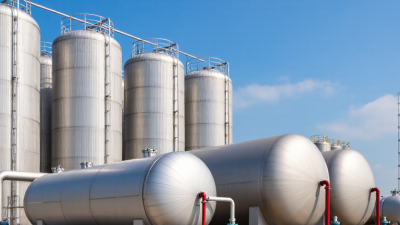
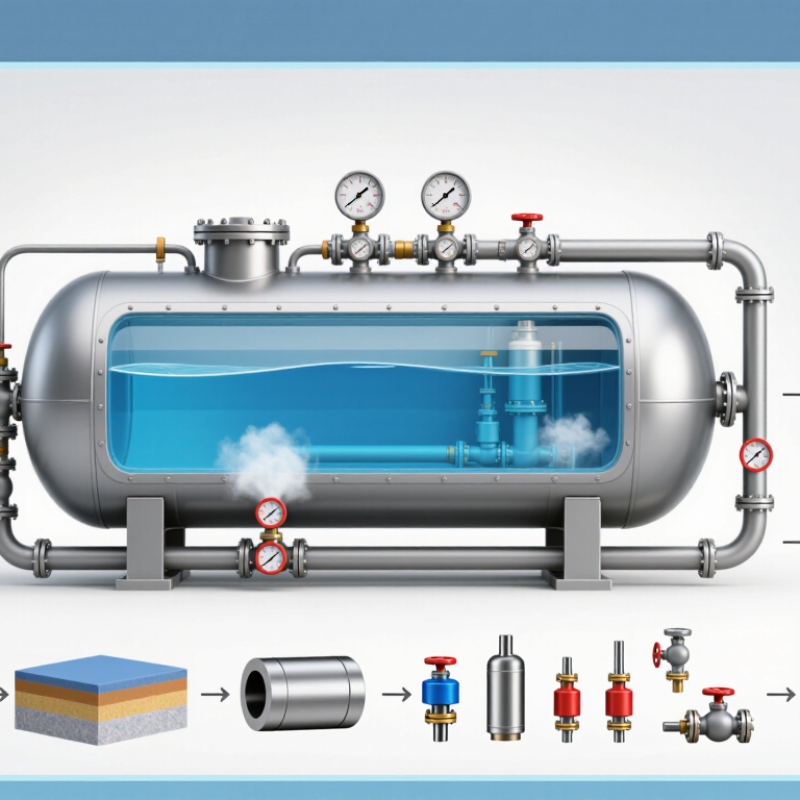
A cryogenic liquid tank is an insulated vessel designed to store gases in liquid form at extremely low temperatures. Common examples include liquid nitrogen, oxygen, and argon. The tank usually has an inner container and an outer shell, with insulation between them to slow heat transfer. Some designs use a vacuum space. The goal is to keep the liquid cold and manage pressure as small amounts warm and turn back into gas.
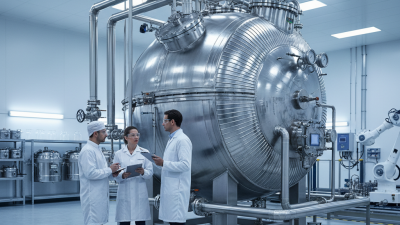
These tanks are used in settings such as laboratories, hospitals, and industrial facilities. Their size and fittings vary with the liquid, required capacity, and delivery method. Gauges help operators monitor pressure and liquid level; valves control filling and withdrawal. Details matter. A tank is not simply a large insulated bottle: safe operation depends on suitable equipment, regular inspection, and trained handling. Even careful systems can lose some product through normal evaporation, so usage patterns should inform capacity choices.
Tips: Check the tank’s intended liquid, working pressure, and usable capacity before selection. Keep access clear around valves and gauges, and follow the supplier’s operating instructions. Small differences matter. A tank that looks adequate on paper may not fit daily demand.
How Does a Cryogenic Liquid Tank Preserve Its Contents?
Why Choose a Cryogenic Liquid Tank?
How Does a Cryogenic Liquid Tank Preserve Its Contents?
A cryogenic liquid tank slows heat transfer, keeping its contents at extremely low temperatures. Most designs use two walls with an evacuated space between them. The vacuum limits heat moving through air, while reflective layers help reduce radiant heat. Supports and pipe connections are designed to limit heat conduction. Even so, insulation is not magic. A small amount of heat still enters the tank, gradually warming the liquid and creating vapor.
Tips: Check pressure and temperature indicators routinely. Keep relief devices clear, and follow the tank manufacturer’s operating instructions. Never assume a quiet tank has no pressure concern.
As vapor forms, pressure can rise. Properly designed tanks manage this through pressure-control and relief systems. These features help maintain operating limits; they do not make a tank maintenance-free. Trained operators should inspect fittings, valves, and insulation for damage or unusual frost. A patch of frost may be harmless, but changing or spreading frost deserves attention. Good preservation depends on both sound engineering and careful daily checks.
Which Design Features Support Safe, Efficient Storage?
Why Choose a Cryogenic Liquid Tank?
Which Design Features Support Safe, Efficient Storage?
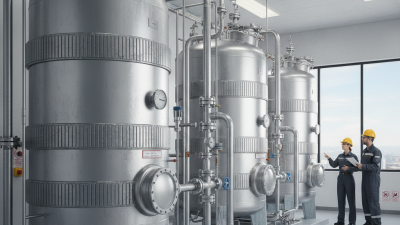
A cryogenic tank relies on more than a cold inner vessel. A vacuum-insulated jacket slows heat entering the liquid, helping limit boil-off and reduce pressure changes. Multilayer insulation and carefully sealed connections support that barrier. Small details matter. A dented pipe support or damaged vacuum gauge can complicate inspection, so accessible instruments and clear maintenance points are practical design features.
Pressure relief devices must handle vapor safely, while level and pressure gauges help operators spot changing conditions early. Vent outlets should discharge away from routine work areas. OSHA defines an oxygen-deficient atmosphere as below 19.5% oxygen (29 CFR 1910.146); a leak of nitrogen or argon can therefore create a serious, hard-to-see hazard. Fixed oxygen monitors may be appropriate where risk assessments identify accumulation risks. Industry guidance from the Compressed Gas Association also emphasizes safe handling and equipment inspection. No feature replaces trained operation. And maintenance is where a good design can still disappoint: overlooked seals, blocked vents, or confusing gauges weaken otherwise sound safeguards.
Where Are Cryogenic Liquid Tanks Commonly Used?
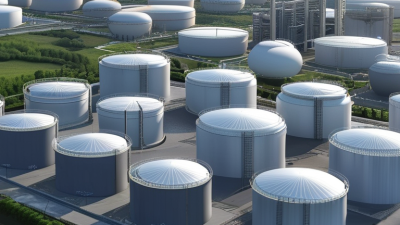
Cryogenic liquid tanks are common wherever gases must be stored in large volumes at extremely low temperatures. Typical settings include liquefied natural gas terminals, industrial gas plants, hospitals, and research facilities. LNG tanks support fuel storage and distribution, while insulated vessels hold liquid oxygen, nitrogen, or argon for manufacturing, healthcare, and laboratory work. The scale is substantial: GIIGNL’s 2024 Annual Report recorded 401.4 million tonnes of LNG traded worldwide in 2023. That figure reflects a broad supply chain, not a measure of tank capacity. The picture is not perfectly uniform; site needs, delivery routes, and operating conditions vary.
At a hospital, a tank may feed a vaporization system that supplies oxygen to clinical areas. In metalworking, nitrogen can support cooling and controlled processes. Research labs may need small, tightly monitored vessels instead. Good site planning considers insulation performance, pressure relief, ventilation, access for deliveries, and trained operators. These details matter. A tank alone does not ensure a reliable gas supply; connected equipment and maintenance matter too.
Tips: Match tank capacity to actual demand and delivery frequency. Check pressure gauges, safety devices, and insulation routinely, and keep clear access around the vessel. For critical services, plan for supply interruptions and confirm procedures with qualified engineering staff.
What Factors Guide the Choice of a Cryogenic Liquid Tank?
Choosing a cryogenic liquid tank starts with the fluid and its operating temperature. Liquid nitrogen boils near −196°C, while liquid hydrogen requires about −253°C; insulation and materials must suit the actual service. For LNG, the U.S. Energy Information Administration notes that liquefaction reduces natural gas to roughly 1/600 of its gaseous volume. That figure helps estimate storage capacity, but it does not determine tank size on its own. Peak demand, delivery intervals, usable reserve, and site access matter too.
Consider pressure, heat leak, and boil-off together. A tank with strong insulation can still lose product through frequent transfers or warm piping. DOE’s hydrogen-storage technical targets identify volumetric capacity as a key constraint, especially where space is limited. Compare the tank’s rated working pressure with process needs, then check how venting and pressure control behave during idle periods. Small details count. A narrow loading bay, exposed pipework, or uneven foundation can complicate installation and inspection.
Ask how the vessel will be monitored and maintained, not only how much it holds. Review material compatibility, relief-device capacity, instrumentation, and applicable engineering codes with qualified specialists. The right choice may be less obvious when demand fluctuates. A larger vessel can reduce deliveries, yet increase footprint and standby losses; site-specific operating data should settle that trade-off. I would also verify the assumptions: real boil-off depends on use patterns, weather, and transfer practice.
Why Choose a Cryogenic Liquid Tank?
How Boiling Temperature Guides Tank Selection
Normal boiling points at approximately 1 atmosphere indicate the temperatures a tank may need to maintain. Hydrogen requires substantially colder conditions than the other liquids shown. Actual tank selection also depends on operating pressure, required capacity, insulation, materials, applicable codes, and— for LNG—the product’s composition.
Approximate normal boiling points: hydrogen −252.9°C, nitrogen −195.8°C, argon −185.8°C, oxygen −183.0°C, and methane −161.5°C. LNG is a mixture, so its boiling temperature varies with composition; methane is shown as a representative component.