Why Choose Cryogenic Storage Tanks for Your Business Needs?
In the rapidly evolving landscape of industrial storage solutions, "Cryogenic Storage Tanks" stand out as a crucial player. Experts highlight their reliability and efficiency. Dr. Emily Hughes, a leading engineer in cryogenic technology, once stated, “Investing in cryogenic storage ensures optimal preservation and safety for your materials.” This reflects the growing recognition of their benefits.
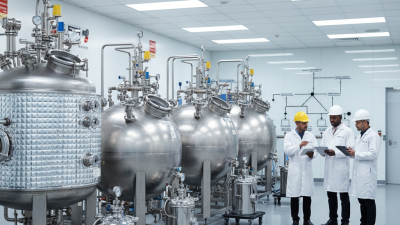
These tanks provide an essential service in sectors like healthcare and manufacturing. They are designed to handle extremely low temperatures, maintaining product integrity. However, businesses should carefully assess their specific needs. Understanding the applications is vital. Despite their advantages, some companies struggle with the initial investment and maintenance aspects.
While cryogenic storage tanks are beneficial, there are complexities involved. Not all tanks suit every operation. The varying specifications can pose a challenge for businesses. Thus, it is crucial to weigh the pros and cons. Engaging with experts can help navigate the nuances of choosing the right tank for long-term success.
Definition and Overview of Cryogenic Storage Tanks
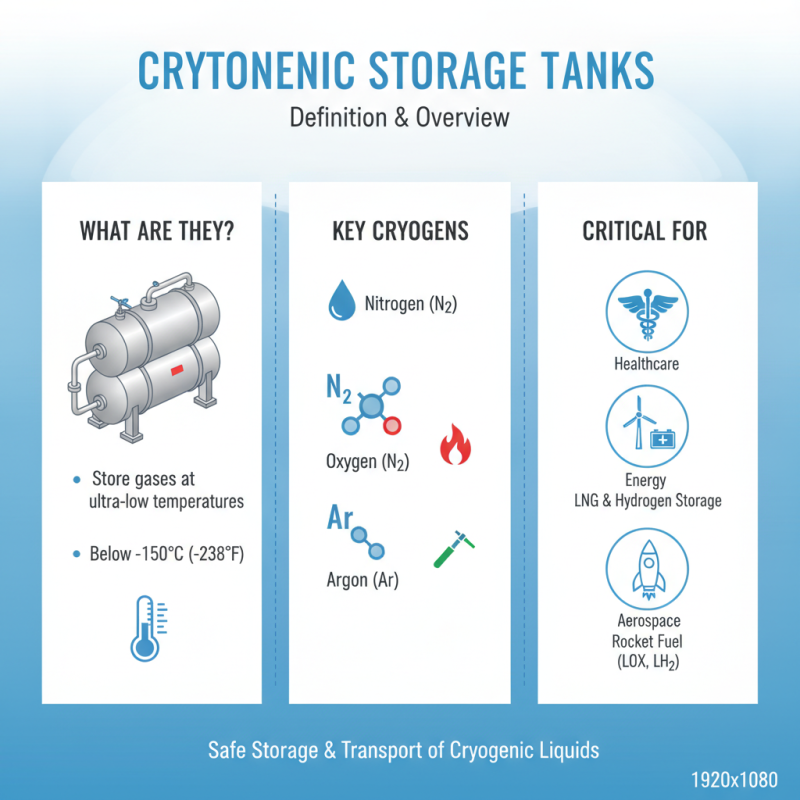
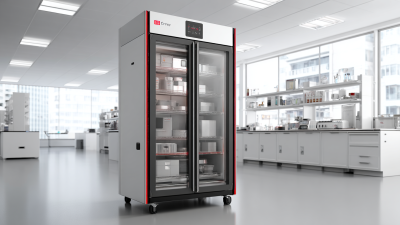
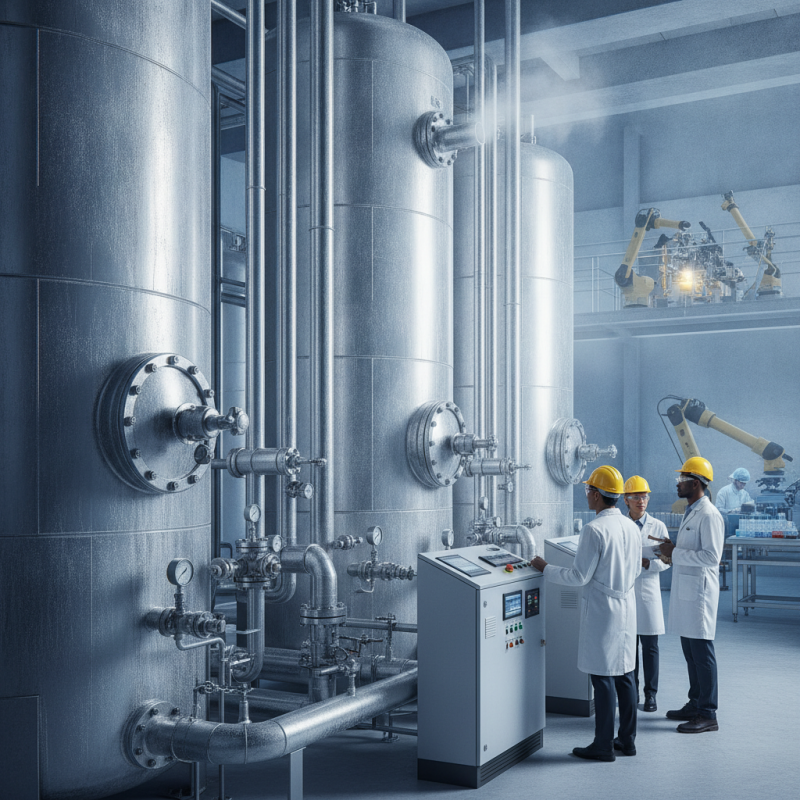
Cryogenic storage tanks are essential for various industries. They are designed to store gases at extremely low temperatures. Typically, these temperatures are below -150°C (-238°F). The tanks play a pivotal role in sectors like healthcare, energy, and aerospace. They ensure safe storage and transport of cryogenic liquids such as nitrogen, oxygen, and argon.
According to a market research report by Grand View Research, the global cryogenic storage market is projected to reach USD 18.49 billion by 2025. This growth highlights the increasing adoption of cryogenic technologies in diverse fields. In healthcare, they enable quick access to liquid nitrogen for preserving samples. In the energy sector, they support clean fuel storage and transportation, aiding in the shift towards renewable energy sources.
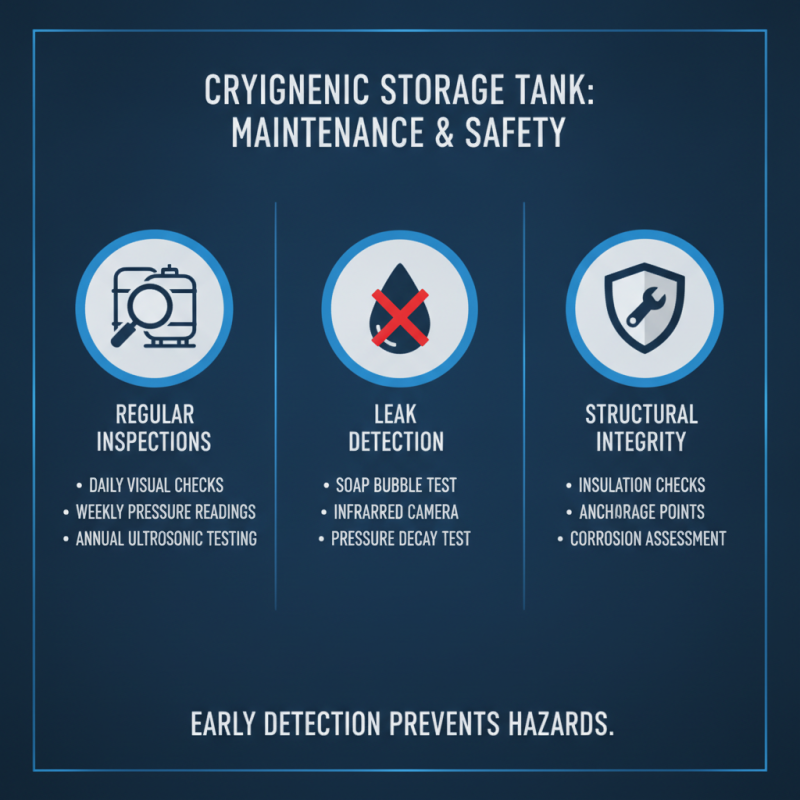
However, there are challenges. Cryogenic storage systems require consistent monitoring and maintenance. Safety standards are critical, as any failure can lead to severe consequences. Businesses must ensure proper training for personnel handling these tanks. Understanding the specific requirements of your operations is vital for effective use. Each application has unique demands that merit careful consideration before implementation.
Key Benefits of Using Cryogenic Storage Tanks in Industry
Cryogenic storage tanks offer significant advantages for various industries. They provide a safe and efficient way to store liquefied gases, such as nitrogen and oxygen. These gases are critical for processes like food preservation and medical applications. The storage of these gases at extremely low temperatures ensures their stability and usability over time.
One notable benefit is energy efficiency. Cryogenic tanks require less energy to maintain their low temperatures compared to traditional storage methods. This can lead to reduced operational costs, a vital consideration for businesses. Additionally, the tanks are designed with robust insulation and advanced materials, ensuring long-lasting performance.
Despite their benefits, there are challenges. Proper handling and maintenance are critical. Training staff on safety protocols is essential. Risks associated with pressure buildups must be addressed. Investing in regular inspections can mitigate potential issues. These aspects highlight the importance of expertise in managing cryogenic systems effectively.
Why Choose Cryogenic Storage Tanks for Your Business Needs?
| Feature |
Description |
Benefits |
| High Efficiency |
Cryogenic storage tanks are designed to maintain low temperatures effectively. |
Ensures the integrity of stored materials, reduces loss and waste. |
| Safety Features |
Includes pressure relief systems and insulation technology. |
Minimizes risk of accidents and ensures compliance with safety regulations. |
| Space Efficiency |
Compact design allows for storage in limited spaces. |
Maximizes facility use and reduces operational costs. |
| Versatility |
Suitable for a variety of industries including healthcare, manufacturing, and food processing. |
Enhances operational flexibility by meeting diverse storage needs. |
| Cost-Effectiveness |
Lower overall maintenance and operational costs compared to conventional tanks. |
Saves money in the long run while providing reliable performance. |
Applications of Cryogenic Storage Tanks in Various Sectors
Cryogenic storage tanks are essential in various sectors, including medical, food, and energy. In the medical field, these tanks store liquid nitrogen to preserve biological samples. Hospitals often rely on these tanks for organ storage and research purposes. This ensures that critical samples remain viable for longer periods.
In the food industry, cryogenic tanks enable flash freezing of products. This method preserves the texture and flavor of food items. It helps maintain quality during transport and storage. Many businesses overlook this technology, missing out on improved product lines.
**Tip:** When choosing a cryogenic tank, consider insulation quality and material durability. These factors impact safety and efficiency.
In the energy sector, cryogenic storage is vital for liquefied natural gas (LNG). It supports efficient transport and storage of gas. Without proper storage, there are risks of costly spills and inefficiency. Companies must assess their requirements to determine the right tank capacity.
**Tip:** Regular maintenance is crucial. Inspections help prevent potential failures that could disrupt operations.
Applications of Cryogenic Storage Tanks in Various Sectors
Factors to Consider When Choosing Cryogenic Storage Tanks
When selecting cryogenic storage tanks for your business, several key factors come into play. One major consideration is the tank material. Tanks often utilize a combination of stainless steel and aluminum. These materials provide strength and insulation, minimizing losses during storage. According to the Cryogenic Society of America, proper insulation can reduce energy loss by up to 30%. This aspect can significantly impact operational costs over time.
Another crucial factor is the tank's storage capacity. Businesses must align their needs with the available capacity. Oversized tanks may lead to unnecessary expenditures, while undersized options can cause supply shortages. For instance, a report by the International Institute of Refrigeration indicates that optimizing storage volume can increase efficiency by nearly 25%. Choosing the right size can improve your logistics and responsiveness.
Tips: Regular maintenance of cryogenic tanks is vital. Regular checks and balances ensure safety and reliability. A small oversight can result in serious issues. It's advisable to keep detailed records of maintenance activities. This not only enhances safety but also complies with industry standards. Another aspect to consider is the location of the tank. Proximity to the supply chain can drastically improve service levels. Reflecting on these factors will enhance the effectiveness of your cryogenic storage solutions.