What Are the Top Cryogenic Hydrogen Solutions in 2026?
In 2026, Cryogenic Hydrogen Solutions are moving from specialist equipment toward practical infrastructure for heavy transport, aerospace, and long-distance energy supply. The case is compelling. Liquid hydrogen stores more hydrogen in a given volume than compressed gas, but it must remain near –253°C. That cold has a cost. The U.S. Department of Energy’s hydrogen program reports that liquefaction typically requires about 10–13 kWh of electricity per kilogram of hydrogen. This makes liquefier efficiency, insulation, and boil-off management central selection criteria—not minor engineering details.
Demand is growing, though the market remains uneven. The International Energy Agency’s Global Hydrogen Review 2024 estimates that global hydrogen demand reached about 97 million tonnes in 2023, while low-emissions hydrogen still represented less than 1% of production. NASA cryogenics researcher James Fesmire’s published work highlights the practical importance of insulation in cryogenic storage. In other words, a tank is only as useful as its ability to limit heat leak over time. A cold pipe. A measurable loss. These details matter.
This guide compares leading options, including hydrogen liquefaction systems, vacuum-insulated storage tanks, cryogenic pumps, and transfer equipment. It considers energy use, operating conditions, scalability, and maintenance needs, drawing on public technical reports and published research. No single solution fits every project. Liquefaction figures also cannot, by themselves, predict a facility’s total cost or emissions; electricity supply and operating patterns change the picture. That deserves a closer look.
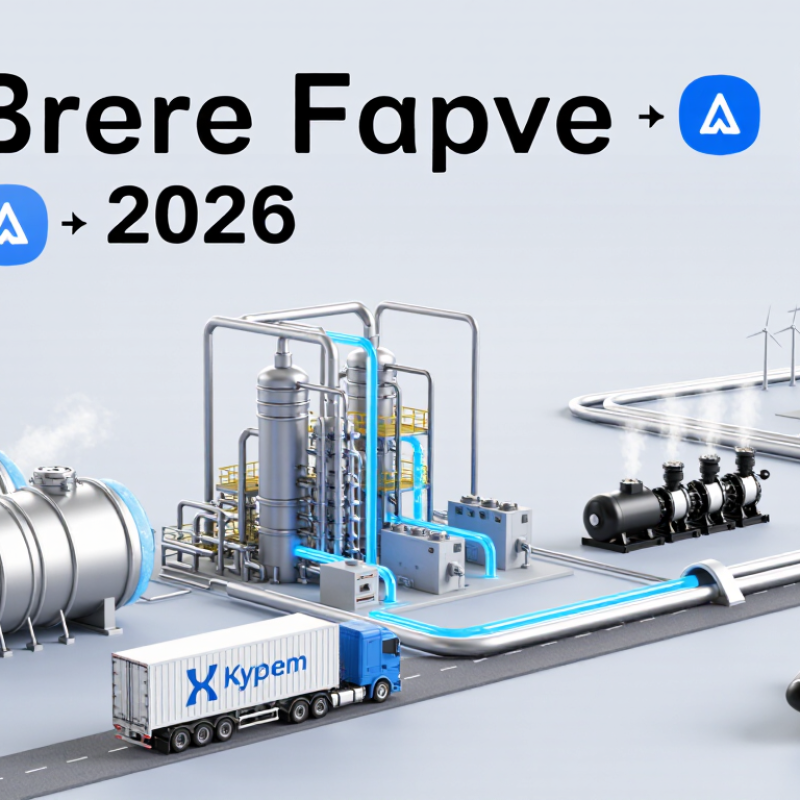
Cryogenic Hydrogen: Principles and Performance Criteria
Cryogenic hydrogen is hydrogen cooled to about −253°C, near its boiling point at atmospheric pressure. Liquefaction makes storage more compact than compressed gas, but it requires substantial energy and careful heat control. Even small heat leaks can vaporize liquid and raise tank pressure. Small losses matter.
Performance depends on the whole system, not just the vessel. Key measures include liquefaction energy per kilogram, boil-off rate, storage duration, pressure stability, and transfer losses. Insulation, tank geometry, operating pressure, and ambient temperature all affect these results. Materials and seals must remain compatible across extreme temperature changes, while sensors and pressure-control equipment need reliable, redundant operation.
Testing should reflect real duty cycles, including filling, idle storage, and withdrawal. A low boil-off figure may look impressive, yet tell little if the test period or conditions differ. There is no single best metric. Comparisons need consistent boundaries and documented measurement methods. That detail is easy to overlook. Cryogenic systems can perform well, but they also involve trade-offs in energy use, equipment complexity, and hydrogen losses. I would treat any performance claim cautiously until its operating conditions are clear.
Leading Hydrogen Liquefaction Technologies in 2026
In 2026, hydrogen liquefaction still depends on a sequence of practical steps: compression, precooling, expansion, and conversion of hydrogen’s spin isomers. Claude-cycle systems use staged cooling and expansion turbines; Brayton-cycle designs use refrigerant gas expansion. Mixed-refrigerant precooling can reduce the load on the coldest stages. Small details matter. Heat exchanger performance and stable operation can decide whether a plant meets its energy targets.
The International Energy Agency’s The Future of Hydrogen reports that liquefaction typically uses about 10–13 kWh per kilogram, roughly one-third of hydrogen’s energy content. That makes efficiency more than a laboratory metric. It affects how much usable hydrogen reaches storage after production. The U.S. Department of Energy’s hydrogen-delivery technical targets also track liquefaction energy use and throughput as key cost drivers. Actual performance depends on plant scale, feed conditions, and equipment integration.
Ortho-para conversion is another essential part of the process. Hydrogen must be cooled carefully to limit boil-off during storage; catalysts help accelerate conversion as temperatures fall. A promising cycle on paper may still face maintenance, start-up, and heat-leak challenges in the field. Reported efficiency figures can also use different system boundaries, so direct comparisons deserve caution. The best technology is not always the one with the lowest quoted number.
Cryogenic Storage Systems and Boil-Off Management
Cryogenic hydrogen storage depends on limiting heat ingress, not merely choosing a large tank. At about 20 kelvin, even small insulation defects can increase boil-off. Vacuum-jacketed vessels and multilayer insulation reduce heat transfer, while thermal shields intercept heat near supports and pipe connections. Those details matter. The IEA’s The Future of Hydrogen estimates that liquefaction can consume around 30% of hydrogen’s energy content, making avoidable losses costly. DOE technical assessments cite liquid hydrogen density near 70.8 kilograms per cubic meter, but compact storage still demands careful thermal design.
Boil-off management combines insulation, pressure control, monitoring, and, where practical, recovery. Sensors should track tank pressure and temperature trends, not just trigger alarms after a threshold is crossed. Captured gas can feed a process or be reliquefied, though reliquefaction adds equipment and energy demand. System designers should model delivery schedules, ambient conditions, and periods of low demand. A tank waiting at a loading bay behaves differently from one with steady throughput. Small losses add up. Real-world performance can also diverge from design estimates when fittings, maintenance, or operating habits are overlooked. That is an uncomfortable but useful reminder: a sophisticated vessel cannot compensate for weak operating procedures.
Cryogenic Hydrogen Transport and Refueling Solutions
By 2026, cryogenic hydrogen transport depends on keeping hydrogen near −253°C while limiting heat ingress. Vacuum-insulated tankers and transfer lines help preserve the liquid during delivery. Every connection matters. A worn seal or poorly managed transfer can increase boil-off and complicate operations.
At receiving sites, insulated storage tanks, pressure controls, and boil-off management work together. Refueling systems may transfer liquid hydrogen or supply cryo-compressed hydrogen, depending on vehicle design and station equipment. Clear procedures for hose connection, cooldown, and shutdown reduce avoidable temperature swings. The process is precise, but not effortless.
Good solutions also include leak detection, ventilation, and routine inspection of couplings and insulation. These details can be easy to underestimate. Operators should compare delivery distance, throughput, maintenance needs, and energy use before choosing equipment. Actual performance depends on site conditions, and published efficiency figures may not capture every delay or heat leak. Field data deserves close attention.
Applications, Safety, and Deployment Readiness of Key Solutions
What Are the Top Cryogenic Hydrogen Solutions in 2026?
Cryogenic hydrogen systems make liquid hydrogen practical for applications where compact storage matters. Insulated tanks, vacuum-jacketed transfer lines, and cryogenic pumps form the core equipment. At roughly -253°C, hydrogen requires careful control of heat entering the system. Even well-designed insulation cannot eliminate boil-off. Aerospace operations, heavy transport, and industrial supply chains may benefit, but each has different storage and delivery demands. Small leaks matter.
Safety depends on the whole installation, not just the tank. Teams need compatible materials, pressure-relief devices, hydrogen detection, ventilation, and clear procedures for cold burns and oxygen displacement. Commissioning should test connections, alarms, shutdown functions, and vent paths under realistic conditions. Readiness also depends on trained operators, maintenance access, spare parts, and a reliable hydrogen supply. These details can delay deployment. They are easy to underestimate.
Tips: Review the complete path from storage to end use, including transfer points and emergency isolation. Check sensor placement where gas could collect, and verify that vent outlets discharge safely. Track boil-off during normal operation, not only during acceptance tests. One honest limitation: site conditions vary, so a successful pilot does not prove every facility is ready.
What Are the Top Cryogenic Hydrogen Solutions in 2026?
Approximate volumetric density benchmarks for hydrogen storage pathways (kg/m³)
Applications: Liquid hydrogen is suited to applications needing high onboard or delivered hydrogen volume, including some aerospace and long-distance transport uses. Compressed gas is widely used in road-vehicle storage and stationary systems. Cryo-compressed storage combines low temperature and pressure, but its density varies with operating conditions.
Safety and readiness: Liquid hydrogen is commercially handled but requires cryogenic insulation and controls for boil-off, leaks, and ignition risks. High-pressure gas requires pressure-rated vessels and leak management. Cryo-compressed systems are less widely deployed than conventional liquid or compressed-gas pathways.
Reference values are approximate: liquid hydrogen at its normal boiling point (~20 K); compressed hydrogen at nominal 350 bar and 700 bar; ambient gas at 0°C and 1 atm. Actual density varies with temperature, pressure, and system design. Reference basis: standard hydrogen property data, including NIST reference values.