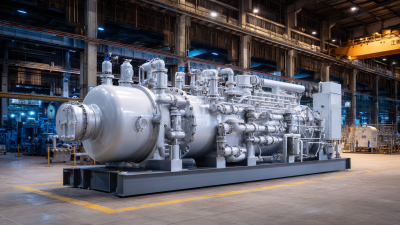
Scaling hydrogen production from pilot plants to industrial facilities requires more than a larger storage tank. It demands dependable liquefaction, controlled temperatures, efficient compression, and carefully designed safety systems. This guide examines seven leading Big Capacity Hydrogen Liquefier suppliers serving demanding industrial applications. Their equipment may support aerospace research, clean-energy hubs, semiconductor manufacturing, and large-scale hydrogen distribution.
The comparison focuses on practical engineering evidence rather than promotional claims. Key factors include liquefaction capacity, power consumption, cooling technology, plant footprint, delivery schedules, and long-term maintenance support. We also consider whether suppliers provide commissioning, operator training, spare parts, and remote monitoring. These details matter when a facility operates continuously, especially near ports, refueling networks, or renewable hydrogen projects.
No shortlist is perfect. A supplier with excellent capacity may offer limited regional service. Another may provide strong customization but require a longer installation period. That limitation matters. Buyers should verify performance data, certification, warranty terms, and total lifecycle cost before signing a contract. Independent technical reviews and references from comparable plants can reveal issues that brochures often overlook. The seven suppliers discussed here are not evaluated by capacity alone. Their engineering experience, safety culture, project reliability, and ability to support future expansion also deserve careful attention. Readers should treat this overview as a practical starting point, not a substitute for site-specific design validation. Cryogenic hydrogen systems leave little room for casual assumptions. વિગતો
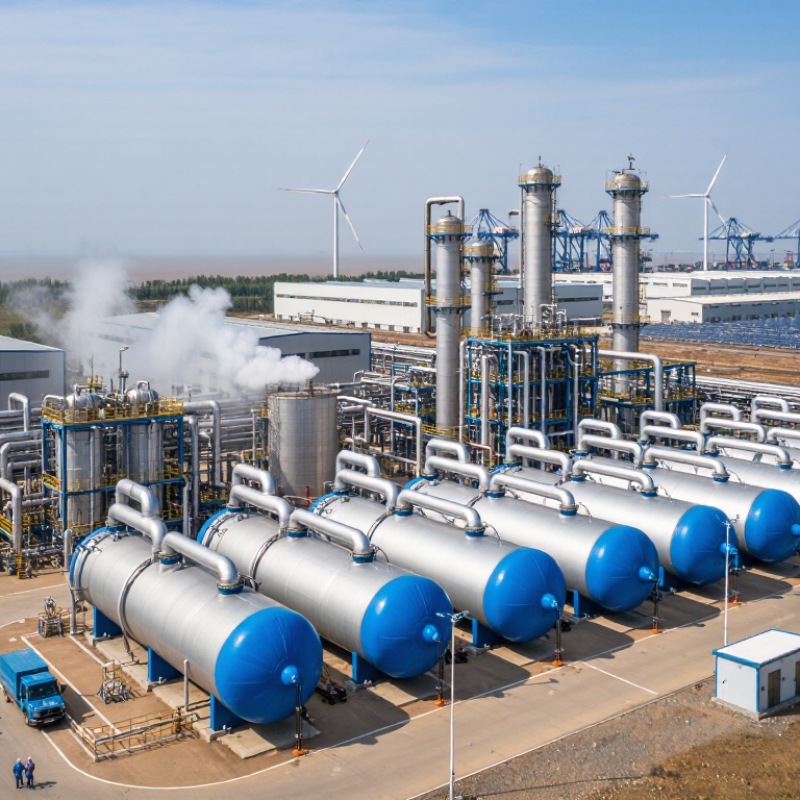
Hydrogen liquefaction converts gaseous hydrogen into a cryogenic liquid near -253°C. This reduces its volume dramatically, making large-scale storage and transport more practical. In an integrated energy system, liquefied hydrogen can connect renewable power, industrial demand, heavy transport, and seasonal storage. The process is energy-intensive, though. That weakness must remain visible.
A large-capacity liquefier usually includes compression, purification, precooling, expansion equipment, and insulated storage tanks. Reliable suppliers should demonstrate measured efficiency, stable operation, maintenance access, and safe control systems. Site experience matters. A facility beside a wind-powered electrolyzer may face different challenges than one near a port or steel plant. Operators should examine cooling-water needs, electricity quality, boil-off handling, and startup performance under changing loads.
Small details can decide project economics. A few degrees of thermal leakage may increase losses across thousands of operating hours. Poor scheduling can also turn cheap renewable electricity into expensive hydrogen. I would request verified performance data from comparable installations, not only laboratory results. Even then, projections remain uncertain. Future energy prices, regulations, and demand may shift before construction ends. A careful supplier review should therefore include lifecycle costs, workforce training, emergency procedures, and realistic expansion plans. Storage tanks should not become isolated assets. Their value depends on how smoothly they support pipelines, transport fleets, power generation, and industrial users.
7 Best Big Capacity Hydrogen Liquefier Suppliers?
When evaluating high-capacity hydrogen liquefier suppliers, start with verified production data. Ask for continuous output, not a short laboratory peak. A plant rated at 30 tonnes per day may deliver less during warm weather or maintenance. Review liquefaction efficiency, power consumption, and hydrogen purity under normal operating conditions. Request performance records from comparable installations. Real operating data matters more than polished brochures.
Examine the supplier’s engineering depth. The system should include reliable compressors, expansion turbines, insulation, storage interfaces, and emergency controls. Check how the design handles vibration, pressure changes, and repeated start-stop cycles. Safety documentation must cover leak detection, ventilation, fire protection, and operator training. Independent certification and clear testing procedures strengthen confidence. So does responsive technical support. Ask who will answer at 3 a.m.
Lifecycle cost deserves careful attention. A lower purchase price can hide expensive electricity use, difficult spare-part access, or long repair delays. Confirm maintenance intervals, remote monitoring functions, warranty limits, and local service capability. Visit an operating facility if possible. Look closely at pipe insulation and control-room records. Small details speak loudly. A neat spreadsheet can still mislead. Supplier references may also be selective, so contact more than one operator and ask about missed output, not only successful commissioning. No evaluation is perfect; assumptions should be recorded, challenged, and revised before procurement.
7 Best Big Capacity Hydrogen Liquefier Suppliers?
Large-capacity hydrogen liquefaction demands more than a cold box and a production target. The strongest suppliers combine cryogenic process design, rotating equipment expertise, control engineering, and field commissioning support. Seven supplier profiles deserve attention: integrated EPC contractors, cryogenic equipment specialists, modular plant manufacturers, industrial gas engineering firms, aerospace-grade system builders, regional service integrators, and research-to-commercial technology developers.
A reliable supplier should explain liquefaction capacity, specific power consumption, hydrogen purity, expected boil-off, and startup time. Ask for operating references with similar feed pressure and ambient conditions. Stainless steel piping, vacuum-jacketed transfer lines, and carefully tested insulation reduce thermal losses. Control systems should record vibration, pressure, temperature, and compressor performance in real time. Small details matter.
Do not trust capacity claims alone. A large nameplate figure may depend on ideal feed gas and perfect cooling conditions. In project reviews, maintenance access often receives less attention than efficiency, which can become an expensive mistake. I would request performance guarantees, spare-parts plans, operator training, and a clear response time for emergency support. Local technicians can matter more than impressive brochures. Independent testing also helps verify purity and energy use before final acceptance. No supplier is best for every site. The right choice depends on climate, electricity availability, storage design, expansion plans, and the buyer’s operating experience.
7 Best Big Capacity Hydrogen Liquefier Suppliers?
Choosing among the seven strongest large-capacity hydrogen liquefier suppliers requires more than comparing headline output. Proven systems commonly use Claude-cycle or mixed-refrigerant technology, with expansion turbines, cold boxes, and advanced heat exchangers. Capacity may range from pilot-scale production to several hundred tonnes daily. However, published figures can describe planned output, not operating performance. Ask for verified plant data, availability records, and energy consumption at rated load.
Technology comparison should include liquefaction efficiency, start-up time, turndown range, and control-system stability. A supplier with excellent equipment may still struggle with integration. Review hydrogen purity requirements, storage interfaces, boil-off gas handling, and compressor maintenance access. Service quality matters equally. Strong suppliers provide commissioning teams, operator training, remote monitoring, spare-parts planning, and documented emergency procedures. Local technical support can reduce downtime, especially when a cold-box fault occurs during peak production. Some proposals look impressive on paper. They still need independent checks.
Tips: Request references from facilities with similar capacity and climate conditions. Compare guaranteed performance, not optimistic estimates. Confirm who handles performance testing and warranty repairs. Visit an operating site if possible. Keep a realistic energy budget. A small efficiency difference can become a major operating cost over ten years. Also, question vague service promises. “Global support” may mean little without response times, regional engineers, and stocked replacement parts.
| Supplier Profile | Primary Liquefaction Technology | Publicly Reported Reference Capacity | Typical Specific Energy Target | Plant Configuration | Technology Readiness | Delivery and Service Capability | Best-Fit Application |
|---|---|---|---|---|---|---|---|
| Supplier Profile A | Claude-cycle hydrogen liquefaction using turboexpanders, heat exchangers, and integrated ortho-to-para hydrogen conversion. | 5–30 tonnes/day | Approximately 10–13 kWh/kg of liquid hydrogen at large-plant scale. | Skid-based process modules with separate cold-box, compression, purification, and storage interfaces. |
High
|
Strong engineering, procurement, construction support, commissioning, operator training, and long-term maintenance options. | Established industrial gas facilities and large centralized hydrogen hubs. |
| Supplier Profile B | Pre-cooled mixed-refrigerant process combined with nitrogen or hydrogen expansion at cryogenic temperatures. | 10–50 tonnes/day | Approximately 10–14 kWh/kg, depending on feed-gas pressure, ambient conditions, and plant utilization. | Modular cold-box arrangement designed for parallel expansion and staged capacity increases. |
High
|
Broad global service network, spare-parts planning, remote monitoring, and lifecycle performance support. | High-throughput production sites requiring scalable capacity and global support. |
| Supplier Profile C | Integrated hydrogen liquefaction cycle with catalytic ortho-to-para conversion and high-effectiveness plate-fin heat exchangers. | 20–100 tonnes/day | Approximately 9–13 kWh/kg for optimized large-scale installations. | Large centralized plant with dedicated compression trains, purification, cold-box systems, and loading infrastructure. |
High
|
Suitable for full EPC integration, process guarantees, performance testing, operator training, and planned turnaround services. | Major export terminals, regional hydrogen networks, and high-volume mobility fuel supply. |
| Supplier Profile D | Reverse-Brayton or turboexpander-based cycle optimized for modular liquid-hydrogen production. | 1–20 tonnes/day | Approximately 12–16 kWh/kg, with efficiency depending strongly on plant size and utilization. | Compact modular units that can be factory-tested and installed close to distributed hydrogen production. |
Medium to high
|
Shorter installation pathway, packaged controls, remote technical assistance, and standardized replacement modules. | Small and medium liquefaction plants, demonstration facilities, and distributed refueling networks. |
| Supplier Profile E | Hybrid process combining pre-cooling, turboexpansion, and staged cryogenic heat exchange with integrated purification. | 5–30 tonnes/day | Approximately 11–15 kWh/kg under normal industrial operating conditions. | Flexible configuration supporting multiple feed sources, including electrolytic and reformed hydrogen after purification. |
High
|
Strong integration with hydrogen production, compression, storage, dispensing, and plant automation systems. | Integrated hydrogen campuses and projects combining production, liquefaction, and distribution. |
| Supplier Profile F | Large-scale cryogenic process using high-efficiency expanders, multi-stage heat exchange, and continuous ortho-to-para conversion. | 30–100+ tonnes/day | Approximately 9–12 kWh/kg for mature, high-utilization plants. | Multi-train architecture with redundancy options for critical refrigeration and compression equipment. |
High
|
Best suited to long-term service agreements, performance guarantees, reliability programs, and major-project execution. | Very large liquefaction hubs, export-scale developments, and continuous industrial demand. |
| Supplier Profile G | Modular cryogenic liquefaction using standardized cold-box technology, turboexpanders, and automated process control. | 2–15 tonnes/day | Approximately 13–18 kWh/kg, generally higher for smaller or intermittently operated plants. | Containerized or skid-mounted equipment with comparatively limited civil and utility requirements. |
Medium to high
|
Faster deployment, simplified commissioning, remote diagnostics, and practical support for smaller operating teams. | Early-stage commercial projects, fueling stations, research campuses, and remote applications. |
Selecting the right hydrogen liquefier supplier requires more than comparing advertised capacity. Your project needs evidence from commissioning records, factory acceptance tests, and operating references.
The International Energy Agency reported global hydrogen demand near 97 million tonnes in 2023. However, low-emissions hydrogen remained below 1% of production.
The U.S. Department of Energy indicates that conventional hydrogen liquefaction can consume roughly 10–13 kWh per kilogram.
This gap makes reliable liquefaction equipment increasingly important for clean hydrogen projects. Therefore, request verified specific energy data at your actual production rate, not only laboratory performance.
Review capacity range, liquefaction cycle, equipment redundancy, boil-off control, maintenance access, and spare-parts support.
Ask for documented availability from comparable facilities. A strong supplier should explain performance during warm-up, shutdown, and changing feed conditions.
Safety documentation must include hydrogen detection, ventilation, pressure relief, and emergency procedures. ISO 19880-1 and related hydrogen standards provide useful benchmarks, but local requirements still matter.
Experience helps here. Even experienced teams can underestimate commissioning time.
Tips:
Build a weighted scorecard before receiving quotations. Give separate scores for energy use, availability, service response, references, and total ownership cost.
Visit an operating site if possible. Request independent verification of key figures.
Promises are easy. Measured data is better.
Also, leave contingency for integration changes; early specifications are rarely perfect.