What Are the 2026 Top Chemical Liquid Transportation Solutions?
Chemical Liquid Transportation is entering 2026 with higher expectations for safety, visibility, and operational control. Shippers now need more than a suitable tank and a reliable driver. They need equipment matched to chemical properties, documented handling procedures, and verified emergency readiness.
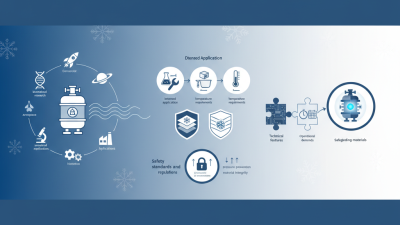
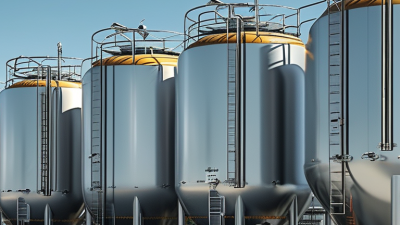
This article examines the leading solutions expected to shape chemical liquid movement in 2026. These include stainless steel ISO tanks, specialized road tankers, flexitanks for compatible non-hazardous liquids, and digitally monitored containers. Each option offers different benefits for volume, temperature control, loading speed, and route flexibility. A corrosive liquid may require lined equipment, while a temperature-sensitive product may need continuous monitoring and insulated protection. Small details matter.
Safety comes before speed.
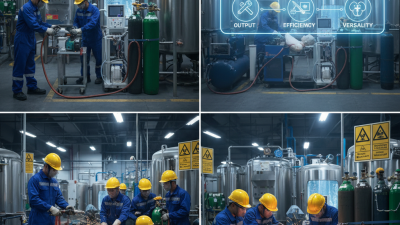
Experienced logistics teams typically review the safety data sheet, material compatibility, cleaning records, seal condition, and driver training before dispatch. They also confirm regional transport rules and customer-site requirements. Digital sensors can record temperature, pressure, location, and unexpected movement. However, technology does not replace inspection or human judgment. A sensor may fail, and a perfect dashboard cannot correct poor loading practice.
The strongest 2026 solutions will combine certified equipment, trained personnel, clear documentation, and responsive communication. Cost remains important, but the cheapest transport choice can create expensive delays or contamination risks. This overview compares practical options through a professional lens, while recognizing that no single method suits every chemical or route. Some forecasts may prove optimistic. Careful evaluation is still necessary.
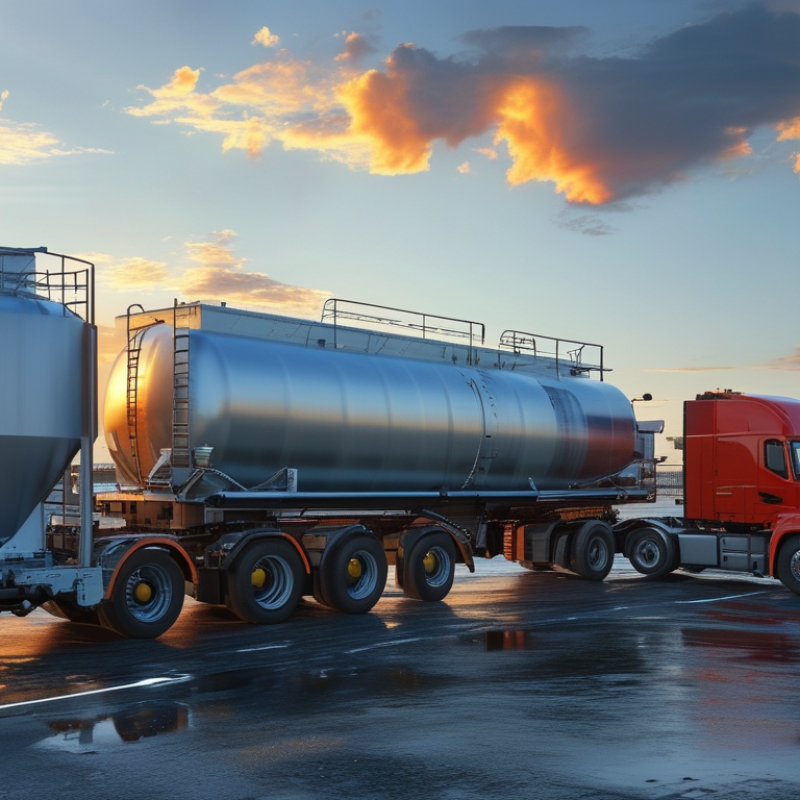
Definition and Scope of Chemical Liquid Transportation in 2026
In 2026, chemical liquid transportation means moving regulated liquid materials safely from production sites to storage, processing, or customer facilities. Its scope includes route planning, container selection, loading, monitoring, unloading, and incident response. The process covers common industrial liquids, solvents, acids, bases, and temperature-sensitive formulations. Each shipment should match its safety data sheet, hazard classification, and approved transport requirements.
Practical solutions now combine certified tank containers, sealed drums, and dedicated road tankers with digital condition monitoring. Sensors can record temperature, pressure, location, and unusual movement during transit. This information helps operators respond before a small deviation becomes a serious loss. However, technology cannot replace trained workers. They must inspect valves, verify labels, check seals, and confirm documentation before departure. Small details matter.
Reliable transportation also depends on compatible materials and controlled transfer procedures. A container suitable for one liquid may fail with another. Cleaning records, maintenance history, and emergency instructions should remain accessible throughout the journey. In real operations, schedules change, weather worsens, and communication sometimes breaks down. That is where contingency planning proves its value. Some procedures still look efficient on paper but need revision after field experience. Safety improves when companies review near misses honestly, rather than hiding uncomfortable weaknesses.
Key Technologies Used in Modern Chemical Liquid Transport
In 2026, chemical liquid transport is becoming a sensor-driven operation. ITCO’s 2024 Global Tank Container Fleet Survey estimated 801,800 tank containers worldwide. That scale demands more than strong steel. Modern tanks combine pressure sensors, temperature probes, level monitoring, and GPS telemetry. Data can reveal rising temperatures before a route becomes unsafe. It can also expose a valve left slightly open. Small errors matter.
The strongest systems connect onboard sensors with digital transport platforms. They record loading time, seal status, cleaning history, and custody changes. Predictive maintenance flags abnormal pressure cycles or repeated braking. ISO tank containers support insulated and temperature-sensitive liquids. Double-wall designs and emergency shutoff systems add physical protection. The International Energy Agency’s Global Hydrogen Review 2024 identifies storage and transport efficiency as continuing challenges. That lesson applies broadly. Digital visibility cannot replace suitable tank design.
Operators should also use vapor-control equipment, grounding checks, remote alarms, and electronic documentation. UNEP’s Global Chemicals Outlook II projects global chemical production could double by 2030 from 2017 levels. Higher volumes increase the value of standardized inspections and trained drivers. Yet technology is not flawless. Sensors drift, networks fail, and rushed cleaning can defeat a perfect dashboard. Human verification remains essential at every transfer point. A transfer log still needs a trained signature.
Top Transportation Solutions for Different Chemical Types
What Are the 2026 Top Chemical Liquid Transportation Solutions?
Top Transportation Solutions for Different Chemical Types
In 2026, chemical liquid transport depends on the liquid’s behavior, not only its volume. Corrosive acids need compatible linings, sealed fittings, and dedicated cleaning procedures. Flammable solvents require grounded equipment, vapor control, and carefully verified loading zones. Stainless steel tanks may suit some liquids, but they are not universal. Material compatibility must be checked against the current safety data sheet. Experience shows that a small seal failure can create a costly delay.
Viscous resins and oils often move better in heated tankers with controlled discharge systems. Temperature-sensitive liquids need insulated containers, continuous sensors, and contingency power during transfers. For smaller consignments, certified intermediate bulk containers can reduce handling steps. Reactive chemicals require strict segregation and documented inspection before loading. Digital tracking adds useful visibility, yet poor sensor calibration can mislead operators. No system is perfect. Human checks still matter.
Tips:
Match the tank, hose, gasket, and valve to the chemical. Confirm cleanliness before loading, and record temperature at every handoff. Use route planning that considers weather, road restrictions, and emergency access. Keep incompatible liquids separated. Label everything clearly. A practical review after each delivery can reveal weak points that automated reports miss.
Safety, Compliance, and Environmental Protection Standards
What Are the 2026 Top Chemical Liquid Transportation Solutions?
Safety, Compliance, and Environmental Protection Standards
In 2026, leading chemical liquid transport solutions will combine certified tank containers, double-wall systems, and real-time monitoring. These systems track temperature, pressure, fill levels, and route deviations. Safety depends on design, but also on disciplined handling. The 2024 IMDG Code and current ADR requirements demand accurate classification, packaging, labeling, documentation, and emergency procedures. Small errors remain costly.
Compliance must continue beyond the loading gate. The U.S. Department of Transportation’s PHMSA incident reports show that loading, unloading, and handling remain important sources of hazardous-material events. Digital checklists can reduce missed inspections. However, they cannot replace trained operators. Human judgment still matters. That is uncomfortable, but realistic.
Environmental protection now shapes equipment selection. The European Environment Agency reported that road transport produced about 72% of European transport greenhouse-gas emissions in 2022. Shippers should therefore evaluate rail-linked routes, efficient tank utilization, and lower-emission vehicles. Closed loading systems and vapor-recovery equipment can reduce worker exposure and atmospheric releases. ISO 14001 supports structured environmental management, while ISO 28000 strengthens supply-chain security. Emissions reporting should cover empty returns, cleaning, and delays, not only loaded mileage. Some operators still overlook these details. Reliable performance requires verified maintenance records, sensor calibration, driver training, and independent audits. Safety claims without measured evidence deserve skepticism.
What Are the 2026 Top Chemical Liquid Transportation Solutions?
Safety, Compliance, and Environmental Protection Standards
Lower flash points indicate a greater ignition-control challenge during loading, transfer, storage, and transport. For these liquids, leading compliance-focused practices include closed transfer systems, grounding and bonding, certified tanks and packaging, vapor and leak control, documented emergency procedures, and transport planning aligned with applicable ADR, RID, IMDG Code, or other local requirements. Flash-point values are representative published values and may vary by grade, purity, and test method.
Reference: United States National Library of Medicine, PubChem compound safety data; transport controls should be verified against the current applicable dangerous-goods regulations and Safety Data Sheet.
Future Trends Shaping Chemical Liquid Transportation Solutions
In 2026, chemical liquid transport is becoming a data-led safety operation, not merely a movement service. Operators are pairing sealed tank systems with sensors that monitor pressure, temperature, fill levels, and valve status. Live readings can reveal a developing problem before a driver notices it. That matters during long highway journeys and crowded loading areas. Small anomalies deserve attention. They are not always failures.
Predictive maintenance will shape fleet decisions. Historical readings can identify pumps, hoses, or fittings likely to require inspection. This approach reduces unplanned delays and supports documented maintenance routines. Yet algorithms should not replace trained judgment. A sensor may drift, lose power, or misread a difficult product. Human review remains essential, especially when liquids react differently to heat or vibration. Experienced teams will combine digital alerts with sampling, visual checks, and clear escalation procedures.
Lower-emission transport is also gaining practical momentum. Battery-assisted yard equipment, route optimization, and rail connections can reduce fuel use without changing safety priorities. Some operators are testing digital twins to model loading times, weather exposure, and emergency access. The models are useful, but imperfect. Real sites contain blocked lanes, rushed handovers, and unexpected maintenance. Reliable solutions will connect technology with worker training, traceable records, and independently verified procedures. Customers will increasingly request carbon data, incident history, and proof that containment systems remain fit for service. Trust will depend on evidence, not polished dashboards.