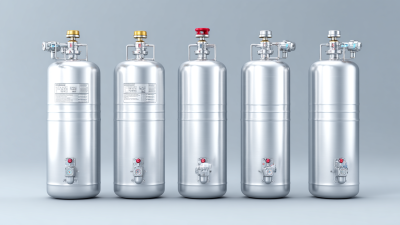
Choosing a Chemical Liquid Transportation provider is more than comparing rates. The right carrier must protect product quality, people, equipment, and delivery schedules at every stage. A small detail matters: the condition of a tank lining, a clean hose connection, or a temperature reading recorded before departure. These checks can reveal whether a provider’s procedures work beyond the sales presentation.
Chemical-process safety pioneer Trevor Kletz is widely associated with the warning, “There is no such thing as a new accident, only one we haven’t seen before.” His lesson applies to transport planning: review incident history, ask how corrective actions were documented, and look for clear emergency communication procedures. Strong answers should be specific, not polished but vague.
This guide explains how to assess carrier experience, equipment suitability, product compatibility, driver training, tracking, insurance, and cleaning records. Ask for evidence, such as inspection documents and examples of delivery controls. Compare providers against the needs of your actual product, route, and handling conditions, while confirming applicable requirements with qualified professionals. A checklist helps. It is not perfect. A missing question can still matter, so revisit your criteria after each shipment and record what you would change. The best choice is not automatically the largest fleet or the lowest quote. It is a dependable partner whose controls are visible, whose limits are candid, and whose service fits the cargo from loading through delivery.

Before comparing chemical liquid transportation services, define exactly what the liquid requires in transit. Record its composition, viscosity, temperature range, density, and any handling precautions listed in its safety data sheet. Specify the volume per shipment and how often deliveries are needed.
Small details matter.
A liquid that thickens in cold weather may need temperature-controlled equipment, while a product sensitive to residue may require dedicated tanks or verified cleaning procedures.
Describe the full journey, not just the distance. Share pickup and delivery locations, loading access, unloading equipment, and any time restrictions. Ask what tank materials, seals, hoses, and temperature controls are suitable for the product.
Also clarify how the carrier documents inspections, cleaning, and shipment condition. These records help teams check that the planned service matches the actual load.
A first estimate is rarely perfect; quantities, schedules, or temperature needs may change. It is worth reviewing the requirements with operations and safety staff before requesting quotes, especially when a small specification could affect compatibility or handling.
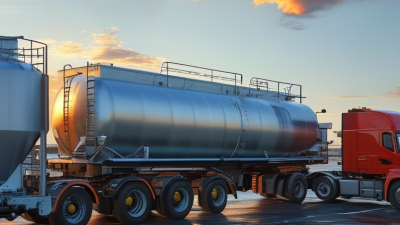
A chemical carrier’s equipment should match the exact liquid, not just the shipment category. Check tank material and lining, seals, valves, pumps, and hose connections against the product’s safety data sheet. Ask for inspection records and examples of how the carrier prevents residue from a previous load contaminating the next one. For temperature-sensitive cargo, confirm monitoring methods and what happens when readings drift. Small details matter: a worn gasket can undermine an otherwise careful transfer.
The risk deserves practical scrutiny. The Federal Motor Carrier Safety Administration’s 2022 Large Truck and Bus Crash Facts report recorded 5,837 large trucks involved in fatal crashes that year. The figure covers trucking broadly, not chemical tankers alone, but it underscores why maintenance and driver training records matter. Review the carrier’s incident history, equipment-maintenance schedule, transfer procedures, and staff training. Ask who checks hose integrity at the loading site. A polished checklist is useful, but it can still miss a weak handoff.
Tips: Request a walk-through of the actual tanker, including valves and emergency shutoffs. Verify that transfer hoses are compatible, capped when stored, and inspected before use. Ask the carrier to explain its response plan in plain language. If answers stay vague, pause and investigate.
Before hiring a chemical liquid carrier, verify its safety procedures against the rules for the cargo, route, and destination. In the United States, check applicable Department of Transportation requirements, including driver qualifications, tank specifications, vehicle inspections, and hazardous-material documentation. Requirements differ by jurisdiction and product. Ask for current permits, training records, inspection dates, and written spill-response procedures—not just a general safety promise. Can staff explain what happens if a hose leaks during unloading?
Review incident history alongside paperwork. The Federal Motor Carrier Safety Administration’s Large Truck and Bus Crash Facts 2022 reported 5,936 large trucks involved in fatal crashes that year; this figure covers trucking broadly, not chemical transport alone. PHMSA’s Hazardous Materials Incident Report data can help buyers examine reported releases, injuries, and property damage by transport mode. Ask a carrier to explain relevant events and corrective actions. Paperwork can look perfect. A valve can still be worn. Where possible, inspect tank condition, hose connections, placards, and load-securing practices in person. Confirm that emergency contacts are reachable during transit, and check that the safety data and shipping documents match the actual liquid. One detail may be missed. Record what you verify, and revisit it when routes, equipment, or regulations change.
Choosing chemical liquid transportation services starts with the route, not just the quoted rate. Compare distance, road conditions, border or terminal transfers, and access to suitable loading and unloading facilities. A shorter route may involve more handoffs, increasing the chance of delays or extra handling. Check that the carrier can match its equipment to the liquid’s compatibility, temperature, and cleaning requirements. Details matter.
Reliability is easier to judge with records than promises. Ask for on-time delivery data, maintenance practices, driver training, and a clear process for reporting incidents or delays. Find out how the carrier handles traffic disruptions and equipment failures. Small delays matter. Compare total costs, including fuel surcharges, waiting time, cleaning, temperature control, insurance, and return-trip charges. A low base price can be misleading. Even a careful comparison may miss an unusual access fee, so confirm assumptions in writing.
Tips: Request itemized quotes for the same route and shipment conditions. Check references for similar liquid loads, and confirm how delivery times are tracked. Keep a modest contingency allowance; plans rarely match every real-world delay.
Compare Routes, Reliability, and Total Costs
How to read this chart: The bars compare estimated total transport cost per tonne for three generic route options. Hover over a bar to see the scenario’s estimated transit time and on-time delivery rate.
Illustrative planning scenario only—not verified market averages or carrier quotes. Actual costs and service reliability vary by lane, cargo properties, handling requirements, and contract terms.
Choose a provider that can explain how its equipment suits your liquid, not just offer a low rate. Ask about tank material, previous cargo, cleaning records, hose condition, temperature control, and spill-response procedures. Request sample documents before booking. A clean tank matters. So does a clear handoff at the loading bay. The American Transportation Research Institute’s 2024 trucking-cost report put average operating costs at $2.27 per mile in 2023. That figure is not a chemical-carrier quote, but it helps frame why fuel, driver time, and empty miles affect pricing.
Confirm service terms in writing. Specify pickup windows, delivery appointments, tracking updates, transfer responsibilities, and what happens if a site cannot unload on time. Check whether quoted charges include cleaning, fuel adjustments, waiting time, and equipment changes. The 2024 State of Logistics report from CSCMP estimated U.S. business logistics costs at $2.3 trillion in 2023, or 8.7% of GDP. Broad figures cannot predict your lane’s price; compare itemized quotes for the same route and service. I would still ask who pays when a wash certificate is delayed or a hose fails inspection. That detail is easy to miss. Keep the answer with the contract, not only in an email thread.