Choosing the right Cryogenic Dewar is not simply a matter of selecting the largest vessel available. It is a decision about temperature, working volume, handling frequency, safety controls, and acceptable product loss. A 20-liter liquid nitrogen dewar may suit a laboratory storing samples for several days. It may fail in a busy facility that opens the vessel every hour. Small details matter, including neck diameter, vacuum-jacket performance, caster stability, pressure-relief design, and compatibility with oxygen-enriched environments.
Industry data shows why this decision deserves careful attention. MarketsandMarkets reported that the global cryogenic equipment market could grow from approximately USD 27.1 billion in 2023 to USD 37.6 billion by 2028. Grand View Research also identified sustained demand through 2030, driven by healthcare, food processing, energy, and electronics. These reports cover broader cryogenic equipment, not dewars alone. That limitation matters. Market growth does not automatically identify the best vessel for your operation.
NASA cryogenics expert John E. Fesmire offers a useful engineering reminder: “Minimize heat leak.” His point is practical. Every unnecessary opening, warm transfer line, or damaged vacuum space can increase boil-off and operating cost. This guide will compare storage and transport dewars, static and portable designs, capacity calculations, insulation performance, material selection, and routine inspection needs. It will also question a common assumption: bigger is not always better. A larger Cryogenic Dewar can reduce refill frequency, yet it may increase handling difficulty and inventory exposure. The right choice begins with measured use, not a catalog photograph.
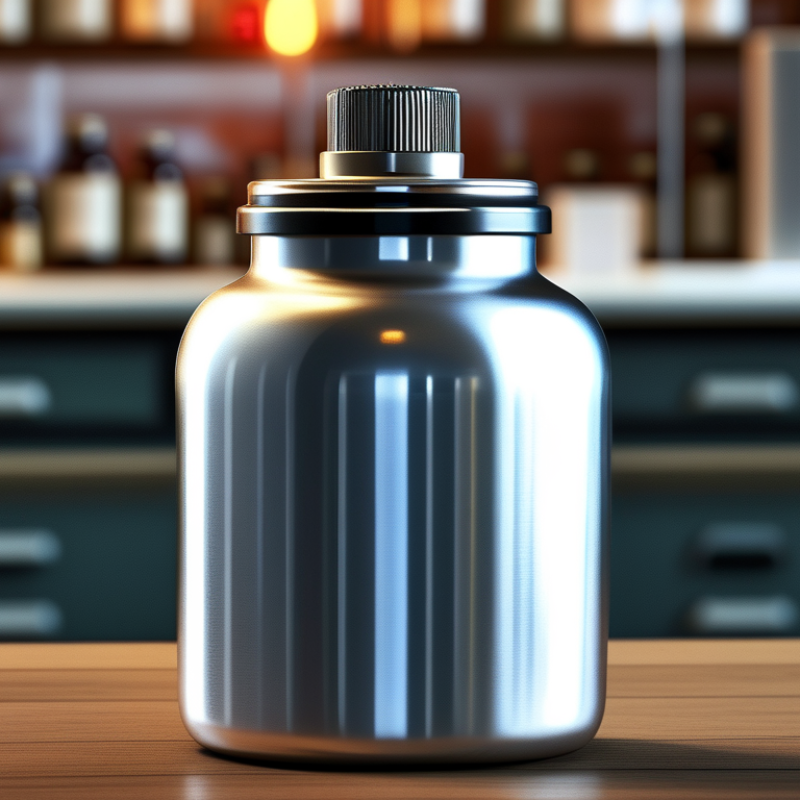
Choosing a cryogenic dewar begins with the material, not the container. Define the sample type, volume, temperature range, and expected storage period. A dewar for daily transfers differs from one used for long-term static storage. Liquid nitrogen, argon, and other cryogenic fluids have different handling behaviors. Confirm compatibility with the vessel, seals, racks, and transfer accessories.
Measure real usage patterns. How many samples enter each week? How often will staff open the vessel? Frequent access can increase evaporation and reduce the practical hold time. Record the required capacity, neck opening, unit dimensions, and maximum acceptable refill interval. A wide opening improves access, but it may increase heat entry. Smaller openings can protect temperature stability, yet they may slow retrieval.
Handling conditions deserve equal attention. Check whether the dewar will remain stationary, move between rooms, or travel on a service cart. Evaluate its filled weight, wheel stability, lifting points, and secure closure. The storage area needs adequate ventilation, oxygen monitoring, and clear emergency procedures. Staff should use suitable gloves, face protection, and training for cold-fluid transfers.
I have seen teams choose capacity by guessing. That approach often creates wasted space or rushed refills. Build a simple usage log before purchasing. Include evaporation measurements from your actual environment. Published specifications help, but local conditions can differ. Recheck the plan after several weeks of operation. Your first estimate may be wrong. That is useful information, not failure.

Choosing a cryogenic dewar starts with its operating purpose, not its advertised capacity.
Open dewars suit frequent liquid access and short-term storage, but they lose liquid through continuous evaporation. Pressurized dewars support controlled dispensing and longer holding periods, although they require compatible relief devices and trained handling. Transport dewars add secure closures and reduced spill risk during movement.
Capacity should match actual consumption.
A five-liter vessel may be practical for occasional laboratory work, while a 30-liter unit can reduce refill frequency. Larger vessels are not automatically better. They occupy more space, take longer to cool, and may increase losses when partly filled. Leave enough headspace for safe expansion, and confirm the working volume rather than relying on the nominal size.
Insulation strongly affects performance.
High-quality vacuum insulation limits heat transfer through the vessel walls. Multilayer reflective insulation can improve the vacuum system, while a narrow neck reduces warm-air entry. Watch for persistent frost near the outer wall; it may indicate vacuum degradation.
In routine evaluations, measuring boil-off over several days gives more useful evidence than reading a brochure. The result can change with room temperature, opening frequency, and liquid level. A perfect comparison is rare. Check relief settings, materials, certification, and service access before purchase. Even experienced users sometimes overlook the lid seal.
Choosing a cryogenic dewar starts with the time your material must remain cold. Holding time shows how long the vessel can retain cryogenic liquid under defined conditions. Static holding time is measured with minimal disturbance. Real use is shorter. Frequent lid openings, warm samples, and transport increase liquid loss. I once compared only the advertised holding time and underestimated daily usage. That mistake caused unnecessary refilling. Record how often the dewar will be opened, and compare that routine with the manufacturer’s test conditions. A vessel rated for 30 days statically may perform very differently in an active laboratory. That gap matters.
Evaporation rate offers a more practical comparison. Look for daily boil-off data, and confirm the units before calculating operating costs. Lower evaporation usually indicates stronger insulation and better thermal efficiency. Vacuum insulation, reflective barriers, neck design, and lid fit all affect performance. Small details matter. Frost around the neck may signal heat entry or poor closure. Capacity also requires judgment. A larger vessel may reduce relative heat gain, but it can increase handling demands and unused inventory. Thermal performance should match the sample load, transfer frequency, and storage temperature. A short trial under normal working conditions can reveal weaknesses that specifications miss. Do not skip ventilation, pressure relief, or staff training. Cryogenic equipment needs disciplined handling, not optimistic assumptions.
Choosing a cryogenic dewar starts with material compatibility, not capacity. Stainless steel offers durability and broad chemical resistance, while aluminum reduces weight. Check the liquid’s temperature, purity, and chemical interaction before selecting either material. ISO 21009-1 covers vacuum-insulated cryogenic vessels and emphasizes design integrity, insulation, and pressure control. A bright, clean interior matters. Contamination can damage samples and create unexpected reactions.
Safety features deserve closer attention. Every dewar should have a functioning pressure-relief device, venting path, and stable base. Never block the vent. OSHA identifies atmospheres below 19.5% oxygen as oxygen-deficient and above 23.5% as oxygen-enriched. A small room can become hazardous quickly after a release. Continuous oxygen monitoring, mechanical ventilation, gloves, face protection, and staff training should match the liquid and room volume. CGA P-12 guidance also stresses controlled transfer and proper personal protective equipment.
Regulatory checks are easy to postpone. That is a mistake. Review local fire codes, workplace rules, transport requirements, and inspection intervals before purchase. ISO 21009-2 addresses operational requirements for static vacuum-insulated vessels, including safe use and maintenance. Keep records for inspections, relief-device testing, training, and incident reviews. A dewar that passes a catalog checklist may still be unsuitable for a crowded laboratory. I would also question optimistic holding-time claims; real performance changes with filling level, handling, ambient heat, and aging insulation.
Choosing the right cryogenic dewar starts with maintenance, not appearance. A polished vessel may still demand frequent vacuum checks, valve inspections, and pressure-relief testing. In daily laboratory work, I watch for unusual frosting, rising evaporation, or unstable pressure. These signs can reveal insulation problems early. They should never be ignored.
Budget planning must include more than the purchase price. Estimate liquid loss, replacement parts, inspection time, and staff training. A cheaper dewar can become expensive if its neck is fragile or its lid fits poorly. I once underestimated delivery delays for a replacement valve. That mistake disrupted a storage schedule. A written maintenance plan would have helped.
Supplier support matters when conditions change. Ask how quickly technical questions receive answers. Check whether manuals explain cleaning, filling, transport, and emergency handling clearly. Confirm the availability of compatible valves, lids, and transfer accessories.
Practical training is valuable, especially for new operators. Good suppliers can help match capacity to usage instead of pushing the largest model. Still, their advice should be compared with your actual consumption records.
A simple weekly log can reveal whether a smaller dewar is sufficient. Keep records. Review them. Mistakes happen.