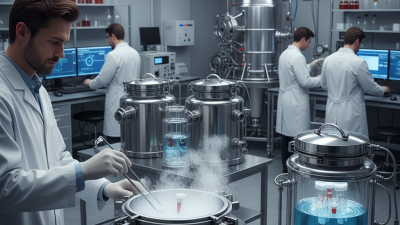
Why Choose a Cryogenic Storage Tank for Your Industrial Needs?
In today's industrial landscape, the choice of storage solutions can significantly impact efficiency and safety. Experts emphasize the importance of selecting the right equipment. Dr. Emily Carter, a leading authority in cryogenic technology, states, “The efficiency of cryogenic storage tanks can’t be underestimated when it comes to preserving materials at extremely low temperatures.”
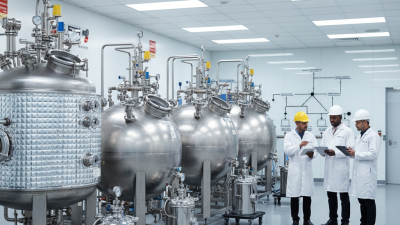
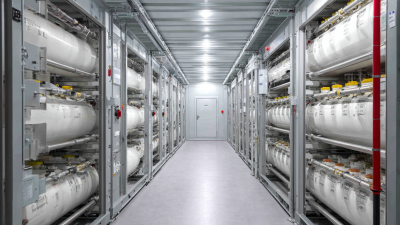
Cryogenic storage tanks are designed to hold liquefied gases at temperatures below -150 degrees Celsius. They are critical for industries such as medical, aerospace, and energy. These tanks ensure the integrity of sensitive materials while minimizing evaporation losses. Their ability to maintain a stable environment is vital for many industrial processes.
However, not all cryogenic storage solutions are alike. Businesses may find it challenging to select the right tank for their specific needs. Factors like insulation quality, tank design, and safety features require careful consideration. Emotional and practical challenges sometimes cloud decision-making. Making informed choices in this complex field is essential for operational success.
Benefits of Cryogenic Storage Tanks in Industrial Applications
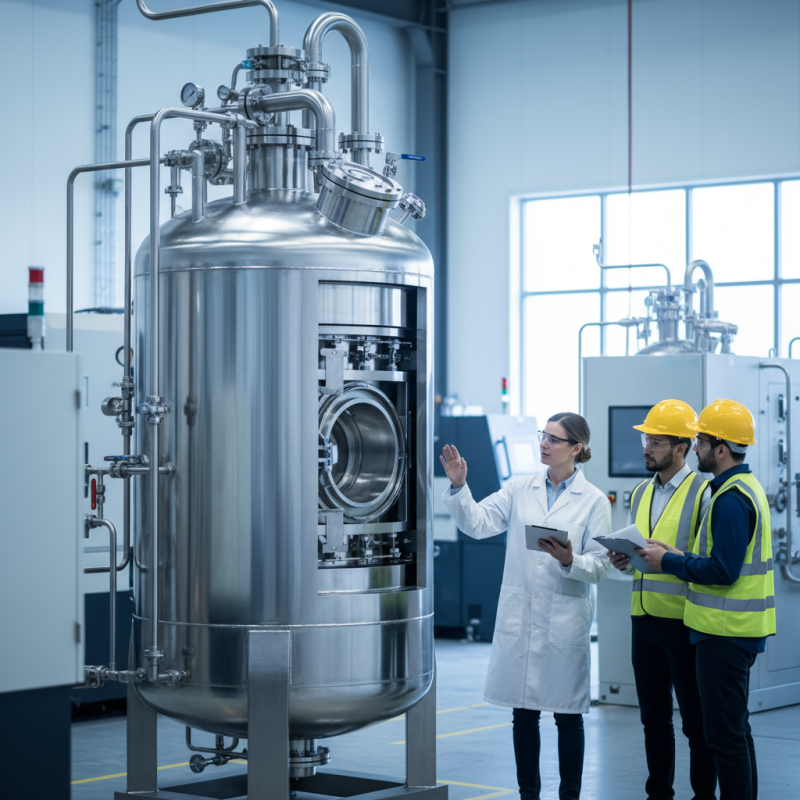
Cryogenic storage tanks have become essential in various industrial applications. They provide a reliable and efficient method for storing gases at extremely low temperatures. Industries such as healthcare, metallurgy, and aerospace increasingly rely on these tanks due to their unmatched benefits. According to a report by the International Cryogenics Association, the global cryogenic tank market is expected to grow at a CAGR of 5.3% from 2023 to 2030.
One notable advantage of cryogenic tanks is their energy efficiency. They maintain low temperatures, which reduces the energy needed to keep contents stable. For instance, liquid nitrogen stored at -196°C significantly decreases evaporation losses compared to higher-temperature storage methods. Additionally, cryogenic systems are highly insulated, which minimizes heat transfer and ensures the integrity of the stored materials.
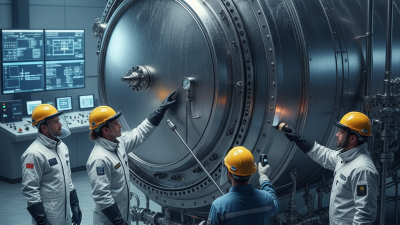
However, it’s crucial to address challenges with cryogenic storage. The initial investment can be high, and improper handling can lead to safety concerns. Understanding best practices is vital for ensuring safe operations. Companies must invest in training and proper safety gear to mitigate these risks. The benefits outweigh the challenges, provided that organizations implement robust protocols. This balance enhances the reliability of cryogenic solutions in meeting industrial demands.
Key Considerations When Selecting a Cryogenic Storage Tank
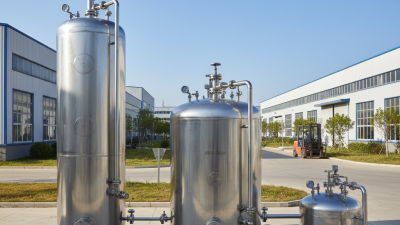
When selecting a cryogenic storage tank, consider several key factors to ensure efficiency and safety. Material selection is pivotal. Tanks typically use high-strength stainless steel, which resists extreme temperatures and pressure. The tank's insulation is just as important. Proper insulation minimizes heat transfer and keeps contents safe.
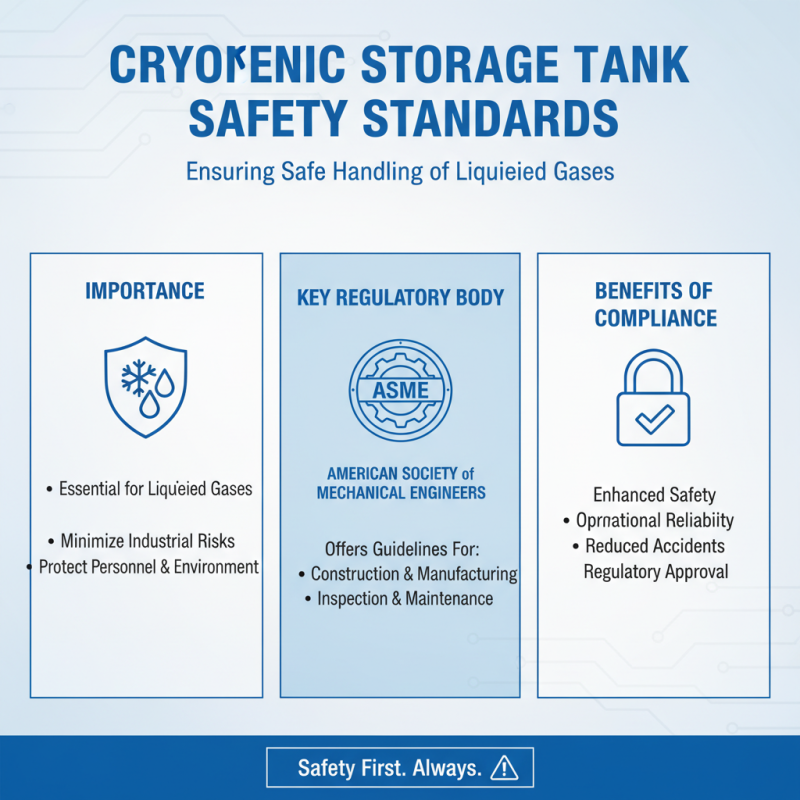
Tips: Always check the certification of your tank. Accredited tanks comply with industry safety standards. This ensures not only reliability but also longevity in demanding environments.
Another crucial aspect is tank size. Too small, and you'll face capacity issues. Too large, and you might waste energy and space. Assess your operational needs carefully before making a choice. Think about the location as well. Ground stability and accessibility affect installation and maintenance.
Tips: Consult with engineers who specialize in cryogenic systems. Their insights can guide you in making a more informed decision. Keep in mind that improper tank selection can lead to unforeseen costs and safety risks.
Why Choose a Cryogenic Storage Tank for Your Industrial Needs?
| Consideration |
Details |
| Material |
Common materials include stainless steel and aluminum due to their durability and corrosion resistance. |
| Insulation |
High-performance insulation systems like vacuum insulated panels or foam are crucial for maintaining low temperatures. |
| Capacity |
Tank capacities typically range from a few hundred liters to several thousand liters, depending on industrial needs. |
| Safety Features |
Includes built-in pressure relief valves, level gauges, and overfill protection to ensure safe operation. |
| Cost |
Initial investment can be high, but operational cost savings and efficiency can justify the expense over time. |
| Maintenance |
Regular inspections, cleaning, and maintenance are necessary to ensure optimal performance and safety. |
Common Liquids Stored in Cryogenic Tanks and Their Uses
Cryogenic storage tanks play a crucial role in various industries, particularly for storing liquefied gases. Common liquids stored in these tanks include liquefied natural gas (LNG), liquid nitrogen (LN2), and liquid oxygen (LOX). According to the International Journal of Refrigeration, LNG has become vital for energy production and transportation due to its increasing global market share, expected to reach over 20% by 2030.
Liquid nitrogen is widely used in food preservation and cryopreservation. This liquid is extremely cold, reaching temperatures below -196°C. Its ability to inhibit spoilage makes it ideal for high-quality food processing. The healthcare sector utilizes liquid oxygen for patients requiring respiratory support. The World Health Organization published that oxygen therapy is a critical treatment for many conditions, emphasizing the importance of reliable storage solutions.
Storing these liquids safely requires robust cryogenic tanks. However, a common challenge in the industry is the maintenance of optimal temperatures. Even minor discrepancies can lead to costs and safety concerns. Regular inspections and monitoring are essential, yet many facilities struggle with compliance. Addressing these issues is crucial for enhancing operational efficiency and ensuring safety in handling cryogenic substances.
Comparative Analysis: Cryogenic Tanks vs. Traditional Storage Solutions
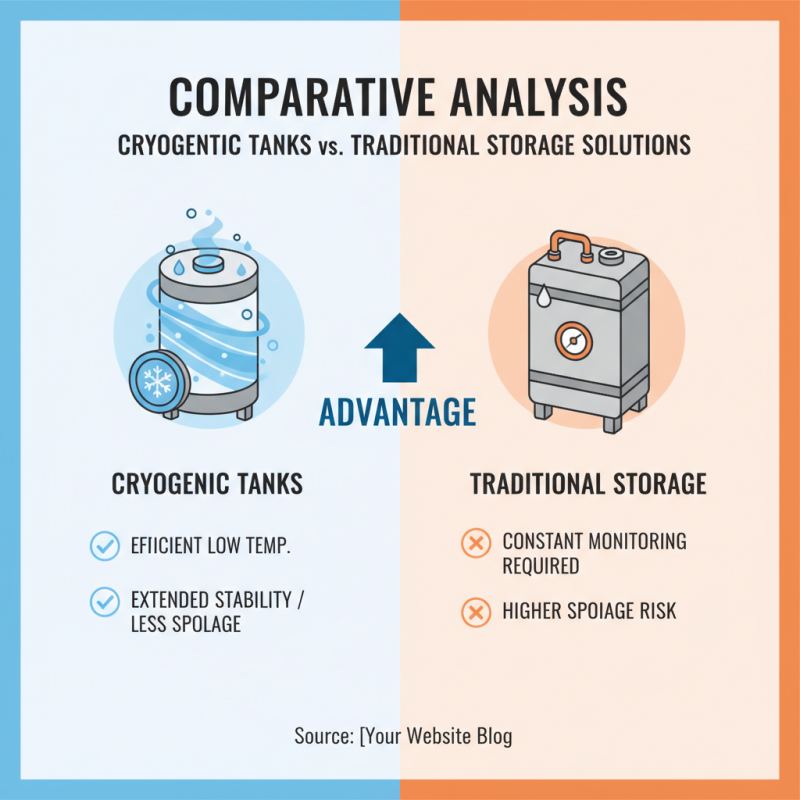
Cryogenic storage tanks offer distinct advantages over traditional storage solutions. Unlike standard tanks that may require constant monitoring, cryogenic tanks maintain low temperatures efficiently. This feature reduces the risk of spoilage for gases and liquids, keeping materials stable for extended periods.
Efficiency is key. Traditional storage often incurs higher operating costs due to temperature fluctuations. These fluctuations can lead to increased waste. Additionally, cryogenic tanks usually take up less space, which is crucial in constrained environments. However, the initial investment may seem steep. It's essential to weigh these costs against long-term benefits such as reduced waste and operational efficiency.
Safety is another critical factor. Cryogenic tanks are designed with advanced features to minimize risks associated with leaks or ruptures. In contrast, traditional solutions might not offer the same level of protection. Yet, proper training and knowledge are vital. Mishandling of cryogenic materials can lead to severe consequences. The choice between these two systems requires careful consideration of specific industrial needs and safety protocols.