China’s cryogenic manufacturing sector has become an important source of storage and transport equipment worldwide. Cryogenic Gas Containers support liquid oxygen, nitrogen, argon, LNG, and other low-temperature applications. Their performance depends on insulation, vacuum stability, pressure control, material selection, and manufacturing discipline.
Klaus D. Timmerhaus, a leading cryogenic engineering authority, wrote, “Cryogenic engineering is the science and technology of temperatures below 120 K.” This definition remains useful, although modern container design involves much more than temperature alone. Real-world reliability also depends on weld quality, inspection records, valve design, filling procedures, and service support.
This guide reviews ten prominent Chinese manufacturers connected with Cryogenic Gas Containers. The comparison considers product range, technical capability, certifications, export experience, customization, and after-sales service. It also examines visible details, such as stainless-steel finishes, vacuum-jacket construction, pressure ratings, and transportation compatibility.
The list is not an absolute ranking. Public information can be incomplete, inconsistent, or commercially exaggerated. Some manufacturers publish extensive test data, while others provide limited technical evidence. That difference matters. Buyers should verify certificates, inspection reports, operating temperatures, holding times, and applicable standards before making decisions.
A container may look excellent in a catalog. Field performance can tell another story. This review therefore balances company claims with practical evaluation points, including maintenance access, spare-part availability, delivery history, and user feedback. The conclusions may still require refinement as manufacturers update their facilities, products, and certifications.
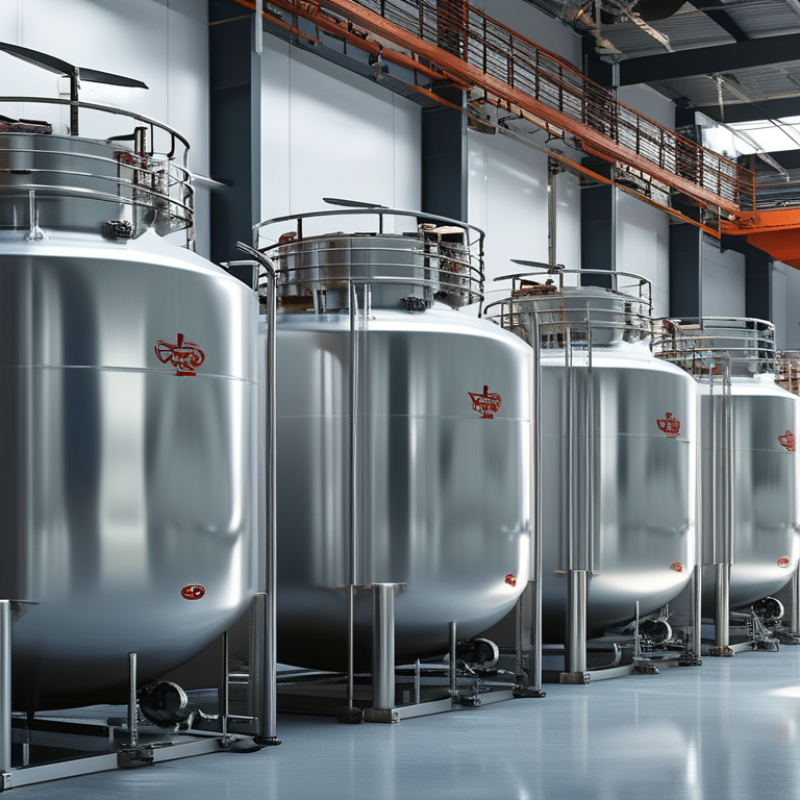
Cryogenic gas containers store gases such as nitrogen, oxygen, argon, and carbon dioxide at extremely low temperatures. Their double-wall design uses vacuum insulation to reduce heat transfer. A small heat leak can increase pressure, waste gas, or interrupt production. Reliable containers protect workers, equipment, and supply continuity.
When comparing China’s top ten cryogenic gas container manufacturers, look beyond price and production scale. Check material traceability, weld quality, vacuum performance, pressure testing, and inspection records. Experienced manufacturers explain filling limits, relief-device settings, transport conditions, and maintenance intervals clearly. They should also provide practical training and responsive technical support. A polished brochure is not enough. In field evaluations, overlooked valve protection and poor labeling remain surprisingly common. That deserves careful reflection.
Tips: Confirm the required gas, working pressure, capacity, and operating temperature before ordering. Inspect the vessel, valves, gauges, and safety devices before each use. Keep containers upright and secured during movement. Never block pressure-relief equipment. Ask for test certificates from qualified inspection bodies, and verify that documents match the serial number. Local requirements may differ, so consult an authorized safety professional.

China Top 10 Cryogenic Gas Container Manufacturers: How the Top 10 Manufacturers Were Selected and Compared
Selecting the top ten requires more than checking production volume. A credible comparison examines manufacturing experience, engineering capability, inspection records, and after-sales support. Public certifications, factory information, product drawings, and customer feedback should be reviewed together. No ranking is perfect.
The comparison should measure vacuum performance, insulation stability, pressure tolerance, material quality, and usable service life. Test reports deserve careful attention. Some documents show laboratory results but provide little field evidence. Practical buyers should also compare customization ability, delivery consistency, spare-part access, and emergency response. Costs matter, but a low quotation may hide maintenance risks.
Tips: Request recent test records, not old brochures. Confirm whether the listed capacity matches working capacity. Ask for weld inspection details and pressure-testing procedures. Check delivery packaging carefully, especially for long-distance transport. Data can be incomplete. A transparent supplier should explain limitations instead of promising flawless performance. Comparing identical specifications prevents misleading price differences.
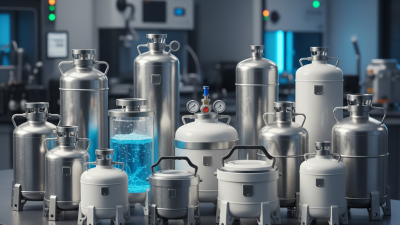
China’s leading cryogenic gas container manufacturers combine vessel engineering, insulation design, and production experience. They commonly produce vacuum-insulated tanks for liquid nitrogen, oxygen, argon, and other industrial gases. Their portfolios may include transport containers, storage tanks, dewars, and customized gas cylinders. Experienced manufacturers usually control welding, heat treatment, pressure testing, and vacuum performance in dedicated workshops. These steps help reduce leakage risks and maintain stable temperatures during storage or transport.
Tips: Check material certificates, test records, insulation performance, and after-sales response before choosing a supplier. A factory visit can reveal more than a polished catalog.
Reliable manufacturers also invest in design reviews and traceability systems. They assess working pressure, capacity, filling method, valve layout, and operating environment before recommending a model. Some provide finite element analysis and customized connections for laboratories, hospitals, food processing plants, or industrial facilities. Certification should match the intended market and application. However, technical documents are not always easy to compare. A low purchase price may hide higher maintenance needs, slower delivery, or limited spare-part support. Buyers should request clear drawings, inspection plans, warranty terms, and service records. Even strong suppliers can make mistakes when project requirements remain vague. Careful communication still matters.
The chart compares the normal boiling points of major cryogenic gases at standard atmospheric pressure. Lower boiling points require greater thermal insulation and stricter storage controls, making them important reference factors when evaluating cryogenic gas container technologies.
China’s leading cryogenic gas container manufacturers compete through safer designs, efficient insulation, and dependable after-sales support. Their product ranges commonly include vacuum-insulated tanks, transport containers, gas cylinders, and storage vessels. These systems support liquid oxygen, nitrogen, argon, and other industrial gases.
Vacuum performance matters greatly.
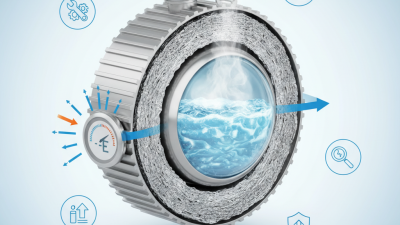
Manufacturers use stainless steel shells, multilayer insulation, perlite, and precision-welded joints. Strong producers also apply automated welding, pressure testing, helium leak detection, and calibrated safety valves. Digital sensors can track pressure, temperature, and fill levels during transport. A credible top-ten evaluation should examine certifications, factory testing, delivery records, and service response. Export volume alone proves little. That is easy to overlook.
Industry applications reveal practical differences. Hospitals need stable oxygen storage and clear emergency procedures. Semiconductor plants require extremely clean gas delivery and low contamination risk. Metal fabrication depends on reliable argon and oxygen supply during long production shifts. Food processors use cryogenic nitrogen for rapid freezing, while laboratories need compact dewars with precise handling. Energy projects often demand larger tanks, stronger foundations, and remote monitoring.
Field experience still exposes weaknesses.
Poor installation can reduce insulation efficiency, even with excellent manufacturing. Operators may also underestimate valve inspection, frost buildup, and transport vibration. Buyers should compare lifecycle costs, spare-part availability, operator training, and local maintenance capability. The best equipment is not always the largest or cheapest. It is the vessel that performs consistently under real working conditions.
Choosing among China’s top cryogenic gas container manufacturers requires more than comparing online rankings. A reliable supplier should show relevant production experience, qualified engineers, and documented quality procedures. Ask for factory photos, welding records, material certificates, and pressure-test reports. These details reveal how the container is actually made.
Evaluate the design for your gas type, working temperature, capacity, transport method, and filling frequency. Check insulation performance, vacuum stability, valve protection, and corrosion resistance. Request evidence of compliance with applicable international and local standards. A professional manufacturer should explain inspection stages clearly, not hide behind general claims. After-sales support also matters, especially for spare parts, technical training, and emergency communication. Cheap pricing can become expensive when delivery is late or testing documents are incomplete.
Tips: Visit the factory if possible. Speak with previous customers. Compare total ownership cost, not only the quotation. Confirm lead time in writing. Review warranty exclusions carefully. Keep a question list during technical meetings.
Experience has taught many buyers to inspect small details, including drain points, lifting lugs, surface finish, and packaging. One weakness remains easy to miss: the container may pass factory tests but perform poorly after repeated handling. Request a realistic maintenance plan and service response time. I would also allow room for doubt; a polished presentation is not proof of dependable engineering. Ensure every key promise appears in the contract.
Anonymous manufacturer-selection matrix based on commonly used cryogenic vessel specifications, certifications, testing requirements, and procurement benchmarks.
| No. | Selection Dimension | Typical Industry Data or Requirement | Documents to Request | Recommended Evaluation Method | Priority |
|---|---|---|---|---|---|
| 1 | Product Scope | Confirm whether the supplier manufactures cryogenic cylinders, vacuum-insulated dewars, microbulk tanks, transport tanks, or ISO tank containers. | Product catalogue, technical drawings, model list, and application references. | Match the supplier's product range with the required gas, capacity, operating pressure, and transport mode. | High |
| 2 | Capacity and Dimensions | Common equipment categories range from portable dewars below 100 L to stationary and transport vessels above 20,000 L. | General arrangement drawing, effective volume, tare weight, footprint, and lifting information. | Check dimensional compatibility with the installation area, filling equipment, vehicle, and unloading system. | High |
| 3 | Design Pressure and Gas Compatibility | The required design pressure depends on the gas and application; many industrial gas vessels are designed in the low-to-mid MPa range. | Design pressure, working pressure, relief-device settings, gas compatibility statement, and safety data review. | Verify that the vessel is suitable for oxygen, nitrogen, argon, LNG, CO₂, or other specified media without changing the approved configuration. | High |
| 4 | Material and Fabrication Quality | Austenitic stainless steels such as 304L and 316L are widely used for cryogenic wetted components because they retain toughness at low temperatures. | Material certificates, welding procedure specifications, welder qualifications, and weld inspection records. | Check heat numbers, traceability, weld quality, surface finish, and compatibility with oxygen-cleaning requirements where applicable. | High |
| 5 | Applicable Standards and Certification | Potential references include applicable Chinese pressure-vessel standards, ASME Section VIII, EN requirements, ISO standards, and transport regulations. | Valid certificates, design approval, manufacturing licence where required, inspection reports, and destination-country compliance documents. | Identify the exact code edition and confirm acceptance by the local authority, carrier, insurer, and end user. | High |
| 6 | Vacuum Insulation and Holding Performance | Static holding time and daily evaporation depend on volume, insulation design, ambient temperature, gas, fill level, and operating pressure. | Insulation design, vacuum test results, guaranteed evaporation rate, holding-time test method, and warranty terms. | Compare suppliers using the same gas, ambient conditions, filling level, pressure, and measurement period. | Medium |
| 7 | Factory Testing and Inspection | Pressure tests, leak tests, vacuum tests, safety-valve checks, dimensional inspection, and final visual inspection are standard quality-control activities. | Inspection and test plan, pressure-test certificate, leak-test record, NDE reports, calibration certificates, and final inspection dossier. | Use a mutually approved inspection plan and consider independent third-party inspection before shipment. | High |
| 8 | Valve, Instrument, and Safety Package | A complete system may include fill, withdrawal, vent, pressure-building, economizer, isolation, pressure-relief, and level-measurement components. | Piping and instrumentation diagram, valve data sheets, relief-device certificates, calibration records, and spare-parts list. | Check connection standards, maintenance access, component availability, and compatibility with the site's transfer equipment. | Medium |
| 9 | Production Capacity and Delivery Control | Delivery time varies with vessel size, code approval, customization, raw-material availability, inspection scope, and export documentation. | Production schedule, milestone plan, factory capacity statement, quality organization chart, and shipment history with sensitive details removed. | Require stage-gate reporting covering design approval, material receipt, welding, testing, coating, documentation, and dispatch. | Medium |
| 10 | After-Sales Support and Total Cost | The purchase price should be evaluated together with freight, import duties, installation, commissioning, inspections, spare parts, maintenance, and downtime risk. | Warranty terms, service response time, maintenance manual, spare-parts quotation, training plan, and technical-support process. | Compare five-year total cost of ownership rather than purchase price alone, and define service obligations in the contract. | Essential |