Top 10 Cryogenic Containers for Safe and Efficient Storage?
Cryogenic containers play a vital role in various industries, including healthcare and technology. According to a recent report by Market Research Future, the global market for cryogenic containers is expected to reach $12 billion by 2027. This significant growth highlights the increasing demand for safe and efficient storage solutions.
Dr. Samuel Jacobs, an expert in cryogenic technology, states, “The effectiveness of a cryogenic container lies in its insulation and pressure management.” This underscores the importance of selecting high-quality containers. Efficient insulation allows for long-term storage of valuable materials at ultra-low temperatures.
However, the choice of cryogenic containers can be overwhelming. With so many options available, it's crucial to consider specific needs. The perfect container should meet safety regulations and durability requirements. Each application may have unique challenges. Understanding these factors is key to making informed decisions in this growing market. The evolution of technology will further shape the future of cryogenic storage solutions.
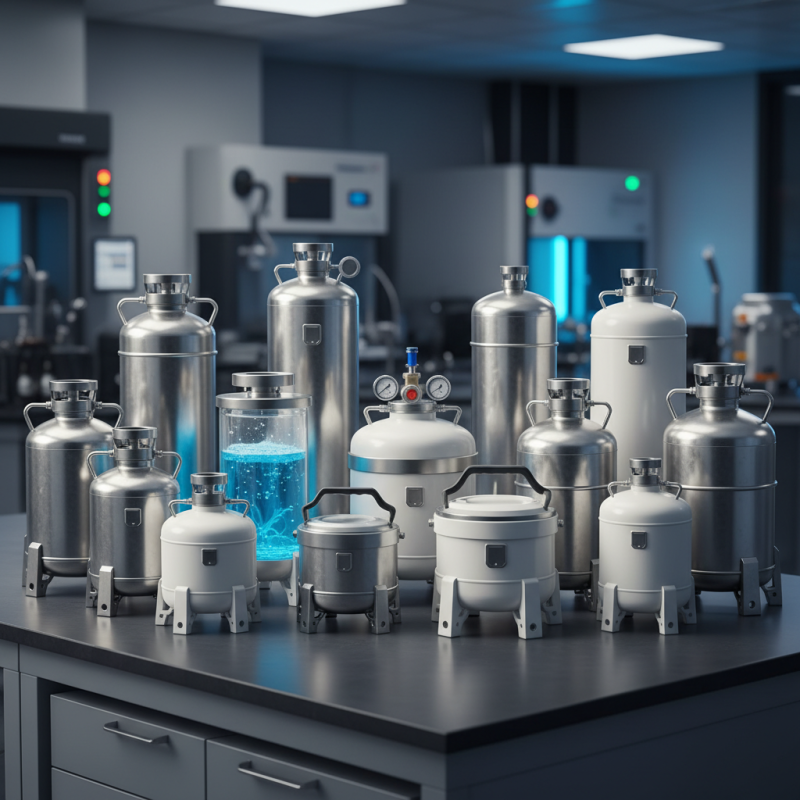
Types of Cryogenic Containers and Their Specific Uses
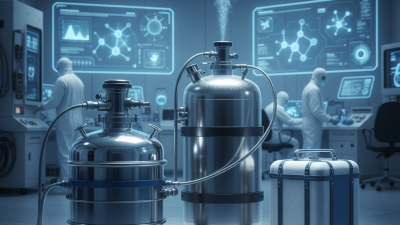
Cryogenic containers play a critical role in the safe storage of materials at extremely low temperatures. These containers are widely used in various industries, including healthcare, aerospace, and research. Their specific designs cater to diverse storage needs. First, there are Dewar flasks, often employed in laboratories. These flasks are designed to keep cryogenic liquids like nitrogen and helium at stable temperatures. They feature vacuum insulation, minimizing heat transfer.
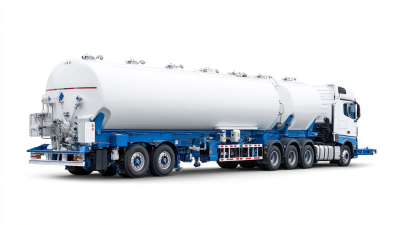
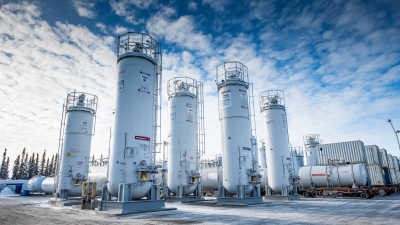
Another type is the cryogenic storage tank, larger and suitable for bulk liquid storage. These tanks ensure that gases remain in liquid form by maintaining low temperatures. They are common in medical facilities for storing biological samples. Lastly, portable cryogenic containers are essential for transporting materials safely. Their compact design allows for easy transport while maintaining necessary temperature conditions. Proper handling is crucial for these containers. Ensuring quality and integrity is always a challenge, especially in high-demand scenarios.
Top 10 Cryogenic Containers for Safe and Efficient Storage
| Container Type |
Capacity (Liters) |
Material |
Application |
Temperature Range (°C) |
| Dewar Flask |
10 - 50 |
Aluminum |
Laboratory storage |
-196 |
| Cryo Tank |
100 - 3000 |
Steel |
Industrial gas storage |
-196 to -150 |
| Cryogenic Vessel |
500 - 15000 |
Stainless Steel |
Transport and storage |
-196 to -253 |
| Cryo Box |
5 - 20 |
Plastic/Aluminum |
Sample storage |
-196 |
| Cryo Canister |
20 - 100 |
Aluminum |
Biological sample storage |
-196 |
| Cryogenic Freezer |
50 - 200 |
Stainless Steel |
Long-term storage |
-80 to -196 |
| LNG Storage Tank |
3000 - 100000 |
Carbon Steel |
Natural gas storage |
-162 |
| Cryogenic Pipeline |
N/A |
Insulated Steel |
Transport of cryogenic fluids |
Varies |
| Sample Storage Dewar |
2 - 10 |
Glass/Aluminum |
Research applications |
-196 |
Key Features to Look for in Safe Cryogenic Storage Solutions
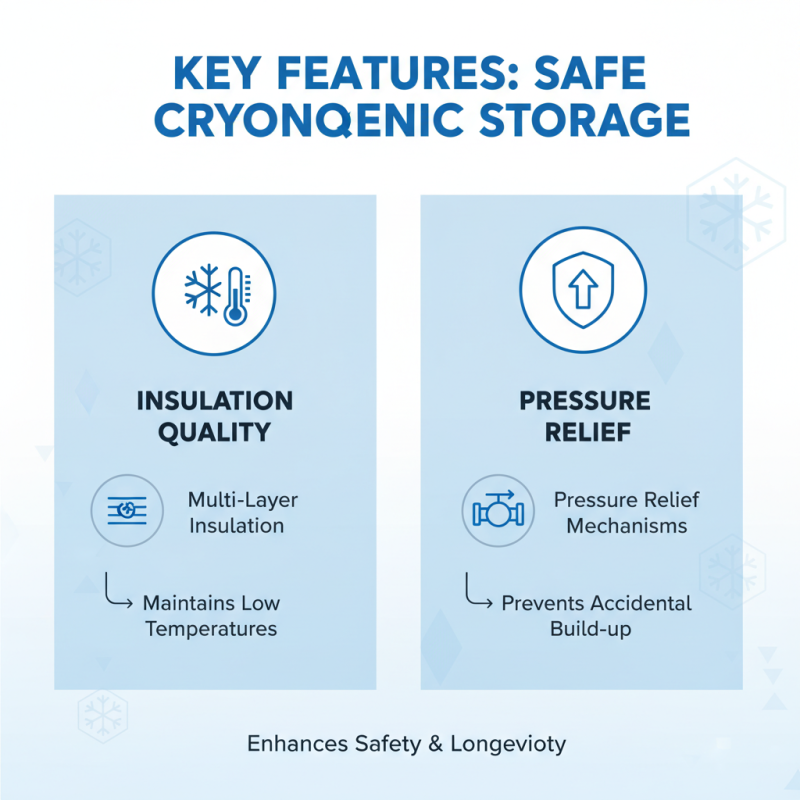
When searching for safe cryogenic storage solutions, it's essential to prioritize key features. Insulation quality is crucial. Look for containers with multi-layer insulation. This helps maintain low temperatures efficiently. Consider pressure relief mechanisms as well. They prevent accidental build-up of pressure, ensuring safe operation. These features can enhance both the safety and longevity of your storage solutions.
Another important aspect is the ease of transport. Containers should be lightweight yet durable. This balance helps in moving them without adding excessive risk. Additionally, check for compatibility with various materials. Some containers may not work well with every type of cargo. Lastly, inspection ports can provide convenience for monitoring and maintenance, though they may complicate design. Proper care and regular checks are vital. They ensure continued safety over time.
Top Brands and Models for Efficient Cryogenic Storage
When choosing cryogenic containers for efficient storage, it's crucial to focus on brands and models known for their reliability and safety. Industry reports indicate that proper thermal insulation is essential. High-quality containers maintain low temperatures effectively, which is vital for preserving sensitive materials. Many users report that unpredictable temperature fluctuations can lead to product spoilage. Therefore, selecting containers with robust insulation technology is key.
Temperature control is a significant factor in efficient storage. Reports show that containers with advanced monitoring systems enhance safety. This feature allows real-time tracking of temperatures and alerts users to any changes. Some research suggests that a lack of proper monitoring can result in significant material loss. Opting for models with integrated technology can minimize these risks.
Tip: Regular maintenance checks are necessary to ensure the functionality of cryogenic containers. Always inspect seals and insulation integrity.
Efficiency also derives from the design of the container. Models featuring ergonomic handles enhance ease of use, reducing the risk of accidental spills. User feedback emphasizes that comfortable handling is often overlooked but vital in a lab environment.
Tip: Create a checklist for pre-use inspections to ensure safety and performance. Regular training on equipment use can also enhance efficiency.
Safety Standards and Regulations for Cryogenic Containers
Cryogenic containers play a critical role in scientific and medical applications. Safety standards are essential to ensure these containers operate effectively. Regulations vary by country but generally focus on material integrity and thermal performance. Proper labeling is crucial. Any mishap can lead to dangerous situations if containers are not clearly marked.
Design of cryogenic containers must also adhere to specific safety regulations. For example, the materials selected must withstand extremely low temperatures. Regular inspections are necessary to detect any potential weaknesses. Training personnel on safe handling and operating procedures is vital. Many accidents occur due to human error.
Understanding these guidelines is important for anyone working with cryogenic containers. Compliance with safety standards protects both people and the environment. Regular updates to these regulations reflect advancements in technology. Facilities should not become complacent; ongoing training and adaptation are needed. Keeping current ensures safe and efficient storage of materials at cryogenic temperatures.
Top 10 Cryogenic Containers for Safe and Efficient Storage
This chart represents the storage capacities of the top 10 cryogenic containers, illustrating their efficiency in safely storing cryogenic materials. Each container has been analyzed for its volume capacity, ensuring compliance with safety standards and regulations.
Maintenance Tips for Ensuring Longevity of Cryogenic Equipment
Cryogenic containers are critical for preserving materials at extremely low temperatures. Ensuring the longevity of these containers requires regular maintenance. Here are a few practical maintenance tips to keep your cryogenic equipment in top condition.
Regular inspection is crucial. Check for any signs of wear or damage. Look for cracks, dents, or any unusual noises when operating. Small issues can grow into significant problems if ignored. Make it a habit to document your findings. This can help in identifying patterns and potential failures.
Another essential tip is proper cleaning. Dirt and debris can compromise insulation efficiency. Regular cleaning with appropriate solvents will enhance performance. However, avoid harsh chemicals that may damage the container. If unsure, consult manufacturer guidelines for safe cleaning practices.
Temperature monitoring is vital. Ensure that temperature gauges are functioning correctly. Fluctuations can indicate equipment failure. Address any abnormal readings immediately. Maintaining optimal storage conditions prolongs the life of your materials and equipment. Keeping logs of temperature readings can also provide insights for future maintenance.