The national key project has successfully passed the comprehensive performance evaluation
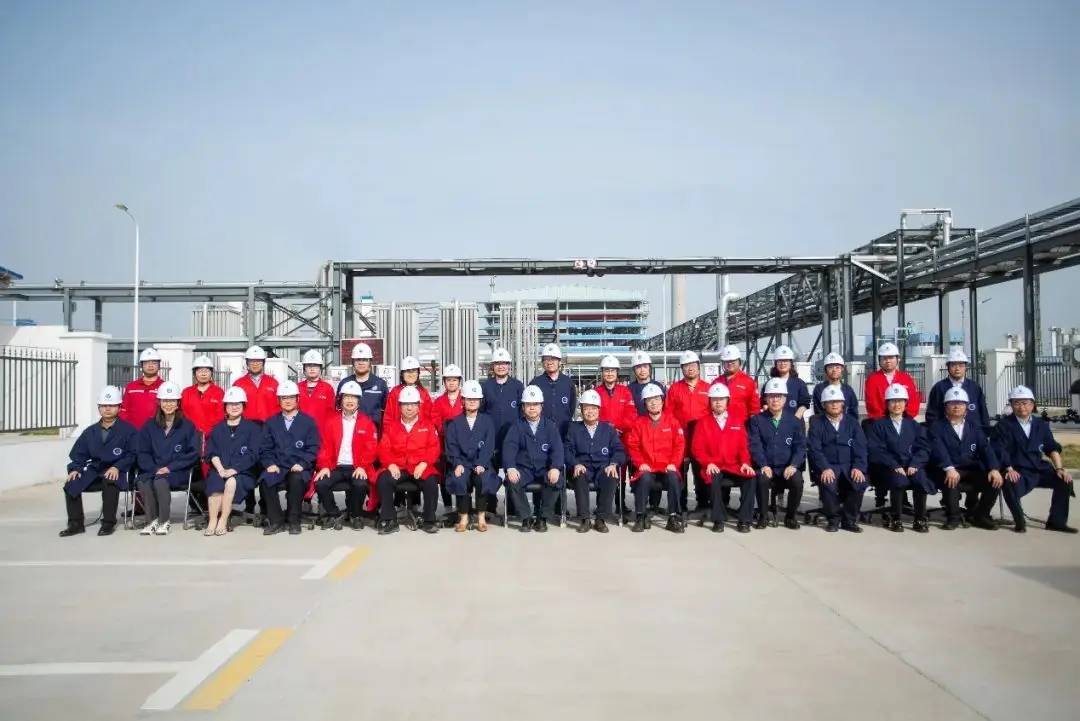
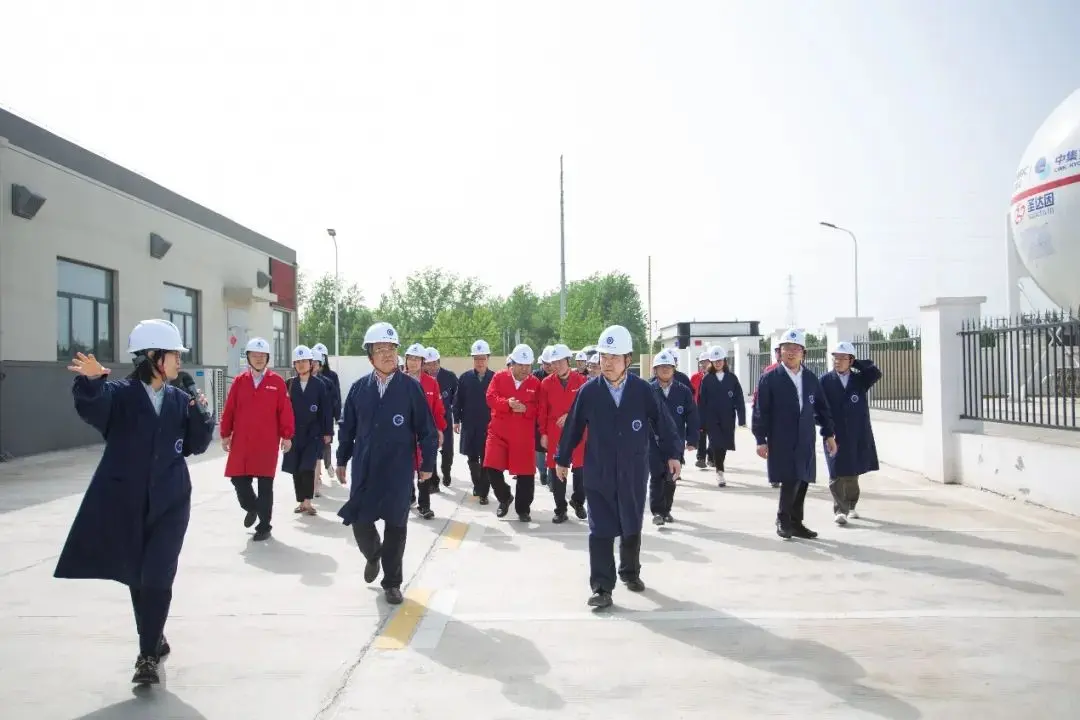
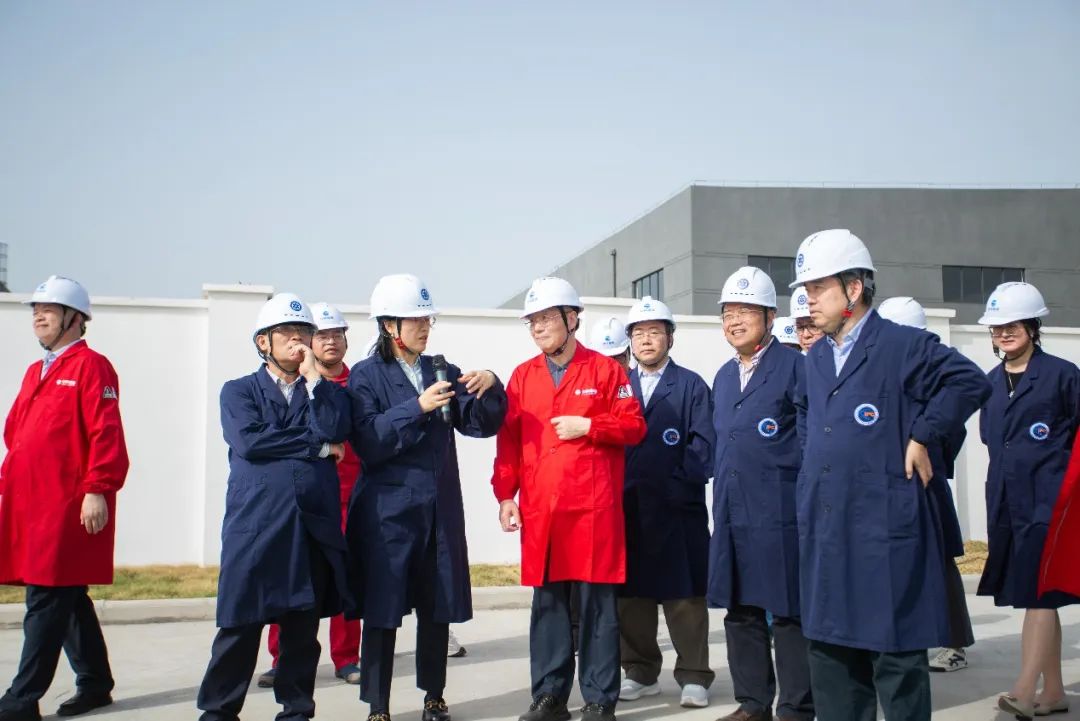
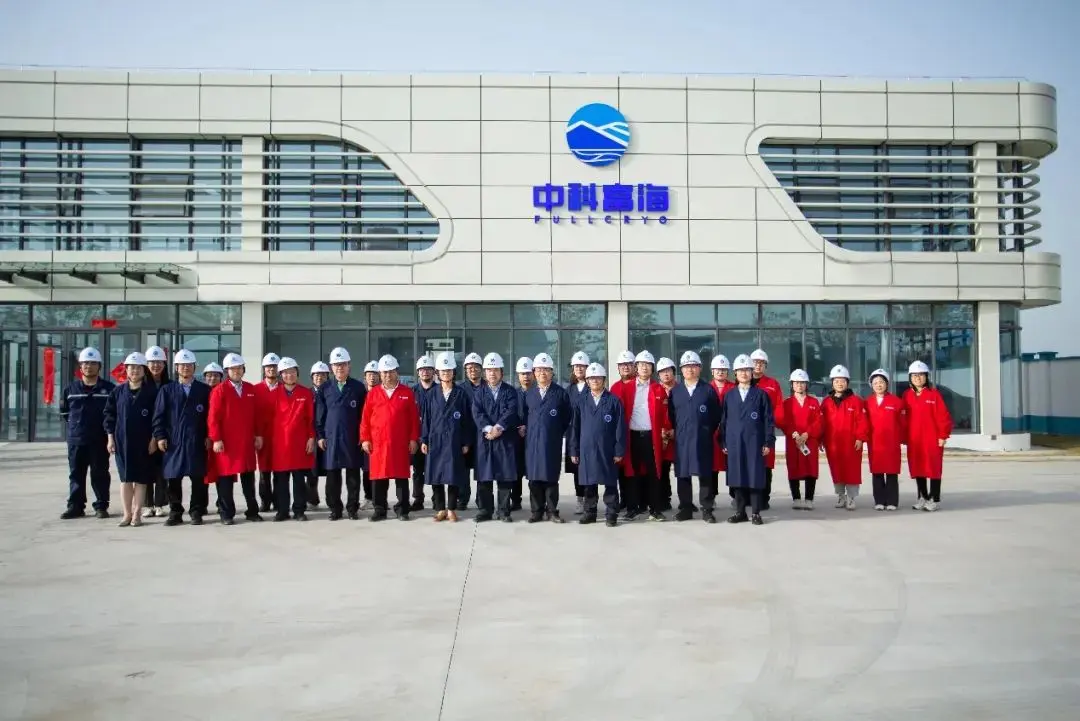
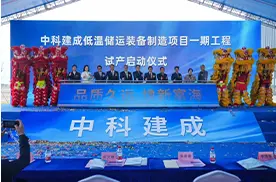
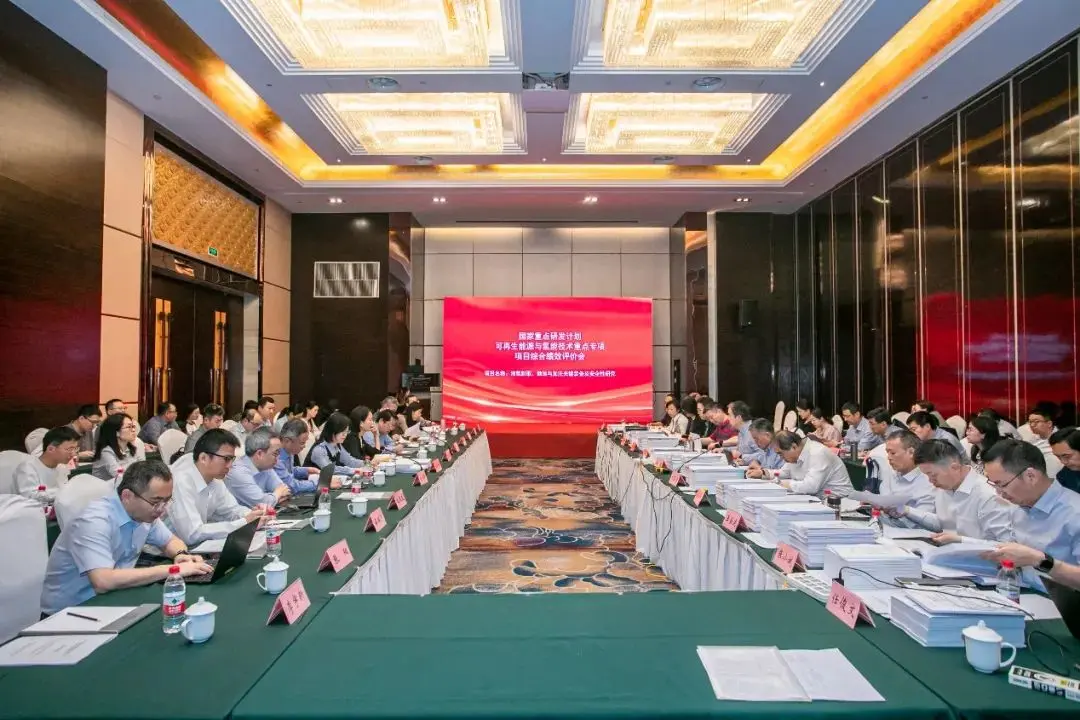
Recently, the project entitled ‘Research on Key Equipment and Safety for Liquid Hydrogen Production, Storage, Transportation and Refuelling’, undertaken byFullcryo as the lead institution under the National Key R&D Programme's Renewable Energy and Hydrogen Energy Technology Key Special Project, has successfully passed its comprehensive performance evaluation.
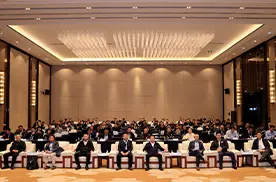
The comprehensive performance evaluation meeting for the project was organised by the High-Tech Research and Development Centre of the National Natural Science Foundation of China. Experts from Wuhan University of Technology, YIG Research Institute of Engineering Technology Co., Ltd., Beijing Aerospace Testing Technology Research Institute, Beijing BoKen Energy Saving Technology Co., Ltd., China Classification Society Quality Certification Co., Ltd., Hefei University of Technology, and Zhejiang University. Following questioning and discussion, the expert panel concluded that the project had fulfilled the primary research content and assessment indicators stipulated in the project approval and task book. It achieved its research objectives, with the research outcomes advancing the domestic production of key technologies and equipment for liquid hydrogen production, storage, transportation, and refuelling. This holds significant importance for the development and demonstration promotion of China's civil liquid hydrogen technology.
This project is undertaken by the original Fullcryo Technology Co., Ltd. as the lead organisation, in collaboration with the Institute of Physics and Chemistry, Chinese Academy of Sciences; Beijing Special Engineering Design Institute; Tongji University; China Special Equipment Inspection and Research Institute; Zhangjiagang CIMC Shengdain Cryogenic Equipment Co., Ltd.; Xi'an Jiaotong University; Shanghai Shunhua New Energy System Co., Ltd.; and CSSC Pengli (Nanjing) Cryogenic Technology Co., Ltd.
Following four years of dedicated collaboration and technical breakthroughs, the project team achieved significant advances in six core technologies. These include optimisation of Hydrogen Liquefaction processes for large-scale, high-efficiency liquid hydrogen production equipment; integrated conversion and heat exchange of normal and medium hydrogen fractions; heavy-duty hydrogen turbine expanders alongside integrated control technologies; hydrogen refrigeration cycle-based liquid hydrogen production systems with intelligent operational control; overall structural safety design and thermal insulation technology for large vacuum liquid hydrogen spherical tanks and liquid hydrogen road tankers under conditions of large temperature difference and alternating loads; on-site construction technology for large liquid hydrogen spherical tanks; efficient compression and rapid refuelling technology based on liquid hydrogen storage; and key technologies for safety risk assessment and prevention in hydrogen liquefaction, storage, and refuelling.
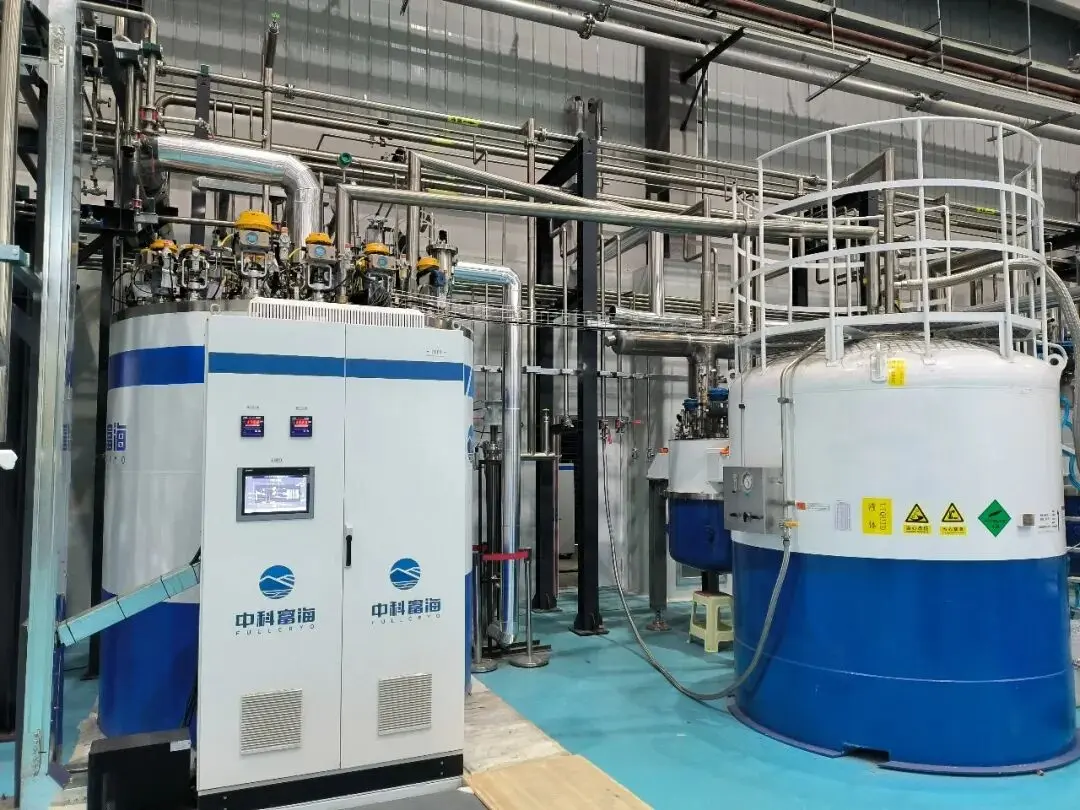
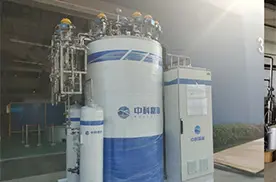
The project successfully established a commercial liquid hydrogen plant utilising domestically produced, low-energy-consumption production equipment. Key achievements include: a maximum adiabatic efficiency of 83.52% for the high-speed, heavy-duty hydrogen turbine expander; a maximum heat transfer efficiency of 96.77% for the integrated heat exchanger enabling efficient normal/medium hydrogen conversion; a liquefaction capacity of 5.27 tonnes per day under rated operating conditions; with hydrogen liquefaction energy consumption of 11.8 kWh/kg-LH₂.
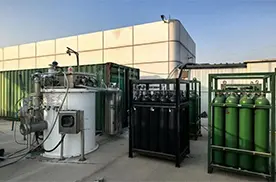
The product's deuterated hydrogen content complies with GB/T 40045-2021 and GJB 5405-2005 standards, with measured values exceeding 96% under all load conditions. Liquid hydrogen purity reached 99.99996%, Liquefaction equipment reliability tested for over 168 hours), 400m³ high-vacuum multi-layer insulated liquid hydrogen spherical tank and 40m³ liquid hydrogen transport tanker, liquid hydrogen storage-type gaseous hydrogen refuelling station (successfully developed liquid hydrogen booster pump pressurisation and vaporisation system with 45.2MPa output pressure; capable of 35MPa and 70MPa hydrogen refuelling; station liquid hydrogen storage capacity 1136.4kg, peak hydrogen refuelling capacity 1024.2kg/day, hydrogen refuelling energy consumption 0.6kWh/kg-H₂), integrated/intelligent liquid hydrogen plant and remote safety risk monitoring/early warning platform for liquid hydrogen refuelling stations.
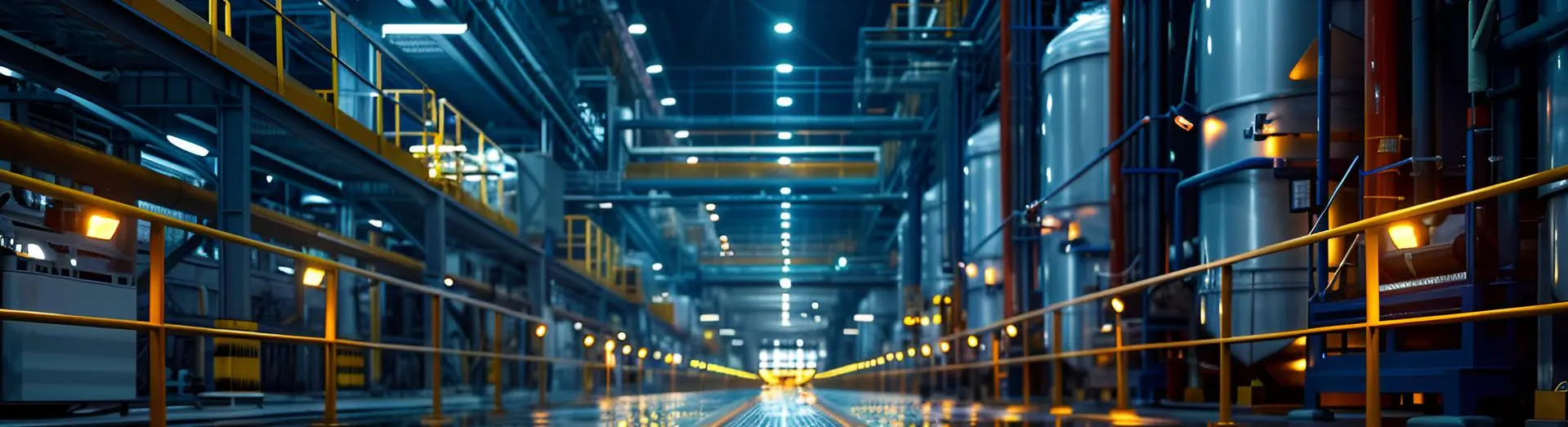
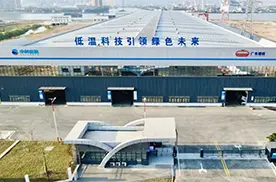
This project has successfully established China's first comprehensive demonstration facility for the entire industrial chain of liquid hydrogen production, storage, transportation and refuelling for civilian use. It resolves the critical challenge of reliance on foreign technologies for this vital national asset, achieving self-reliance and control over core liquid hydrogen technologies and key equipment. The product performance meets advanced industry standards, holding significant importance for the large-scale deployment of hydrogen fuel cell commercial vehicles, the application of green hydrogen in China, and the self-reliant development of the aerospace industry.