




Applications of Helium in Semiconductor Manufacturing
In the highly precise field of semiconductor manufacturing, helium plays an indispensable role. This colorless and odorless inert gas at room temperature has become an irreplaceable key material in chip production due to its unique physical and chemical properties.
Properties of Helium and Its Value
Helium’s irreplaceable position in semiconductor manufacturing stems from a series of unique physical and chemical characteristics.
-
Chemical Inertness: Helium is highly chemically inert. It almost never reacts with other elements and is neither flammable nor explosive, making it an ideal choice for semiconductor manufacturing environments that require high safety and extreme purity.
-
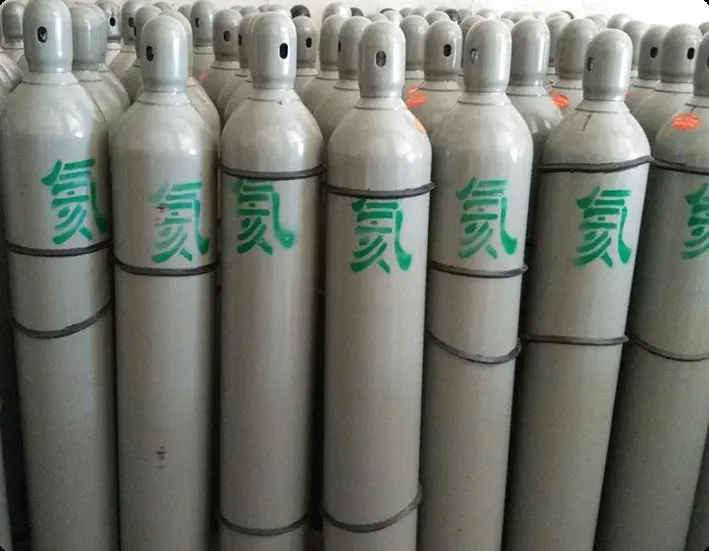
Extremely Low Boiling and Melting Points: Helium has the lowest known boiling point (-268.9°C) and melting point (-272.1°C) among all elements, and is the most difficult gas to liquefy. These properties make it the only or optimal medium for achieving and maintaining ultra-low temperature environments.
-
High Thermal Conductivity: Helium exhibits extremely high thermal conductivity, especially in liquid form at very low temperatures, up to 800 times that of copper. Additionally, its low density, low solubility, and strong permeability provide the foundation for its diverse applications in semiconductor manufacturing.
Key Applications of Helium in Semiconductor Manufacturing
In the complex chip manufacturing process, helium is applied extensively across several core areas:
-
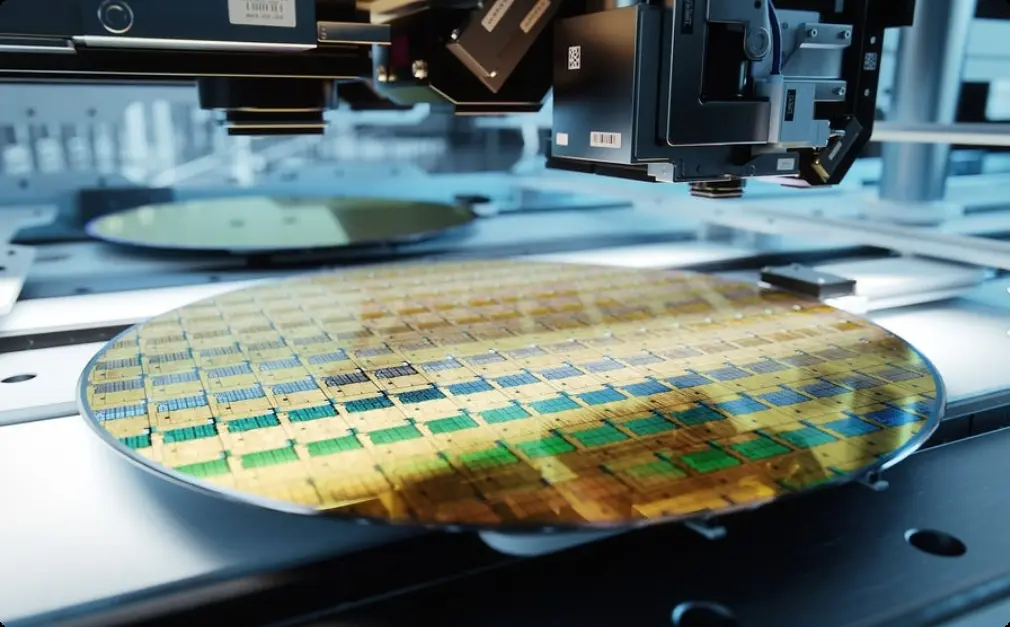
As a Cooling Medium and Process Control Gas:This is one of the most critical applications of helium. During wafer manufacturing, especially in processes such as lithography, etching, and deposition, substantial heat is generated. Helium’s excellent thermal conductivity allows it to be used as a backside wafer coolant, precisely controlling silicon wafer temperature and ensuring stability and accuracy for nanoscale circuit etching. For example, in extreme ultraviolet (EUV) lithography machines, Liquid Helium is the only option to maintain superconducting magnets at 4K (-269°C), with annual helium consumption exceeding 10,000 liters per EUV machine. Without continuous helium cooling, these cutting-edge devices cannot operate.
-
Control of Heat Transfer Rates: Helium also enables rapid heat transfer, improving production efficiency and product yield. During semiconductor testing, liquid helium’s cryogenic properties are used to maintain a stable low-temperature environment, ensuring reliable device performance evaluation.

-
As a High-Purity Protective and Carrier Gas: Due to its chemical inertness, helium is widely used as a protective gas in semiconductor production. By forming an inert atmosphere around the wafer, it prevents oxidation or contamination of semiconductor materials during processing, maintaining chip purity and performance. In processes such as chemical vapor deposition (CVD) and dry etching, high-purity helium serves as a carrier or process gas. Its stability and excellent permeability facilitate uniform transport of reactive gases and efficient removal of by-products without interfering with or damaging precise circuit structures.
-
As a Key Medium for Leak Detection: Semiconductor device packaging requires extremely high airtightness. Helium, with its small molecular weight and high permeability, is the preferred gas for high-sensitivity leak testing. Even the tiniest leaks can be detected using helium mass spectrometry, ensuring long-term reliability of the final product.
Supply Chain Vulnerability and Strategic Importance
Although helium is abundant in the universe, it is a non-renewable and scarce resource on Earth, with highly uneven distribution. The United States, Qatar, Russia, and Algeria together hold approximately 87% of global helium resources, creating a highly concentrated supply structure that exposes the global semiconductor industry to significant supply chain risks.
China, as one of the world’s largest semiconductor markets, faces particularly severe challenges. The country consumes over 26 million cubic meters of helium annually but has long relied heavily on imports, with an import dependency once reaching 98%. Although efforts have reduced this dependency to 83.7% by 2024, external reliance remains significant. Most imported helium comes from Qatar, while core production technology is controlled by U.S. companies, and geopolitical factors constantly affect supply stability.
Technological and Strategic Responses
To address helium supply bottlenecks and strategic security needs, multiple measures are being pursued:
-
Accelerating Technological Breakthroughs and Domestic Production:China has made significant progress in helium extraction technologies, such as LNG-BOG (liquefied natural gas boil-off gas) Helium Recovery. This technology can extract ultra-pure helium with 99.9998% purity from LNG tail gas containing only 0.03% helium. In 2024, several newly built domestic facilities increased production capacity beyond 10 million cubic meters, significantly boosting output.
-
Developing Overseas Resources and Expanding Supply Channels: International cooperation to develop new helium resources is a critical path to ensuring supply security. For example, the Amur helium field in cooperation with Russia is expected to commence production in 2026, providing 120 million cubic meters of helium annually to China. In Africa and other regions, long-term supply agreements have been secured through “infrastructure-for-resources” models.
-
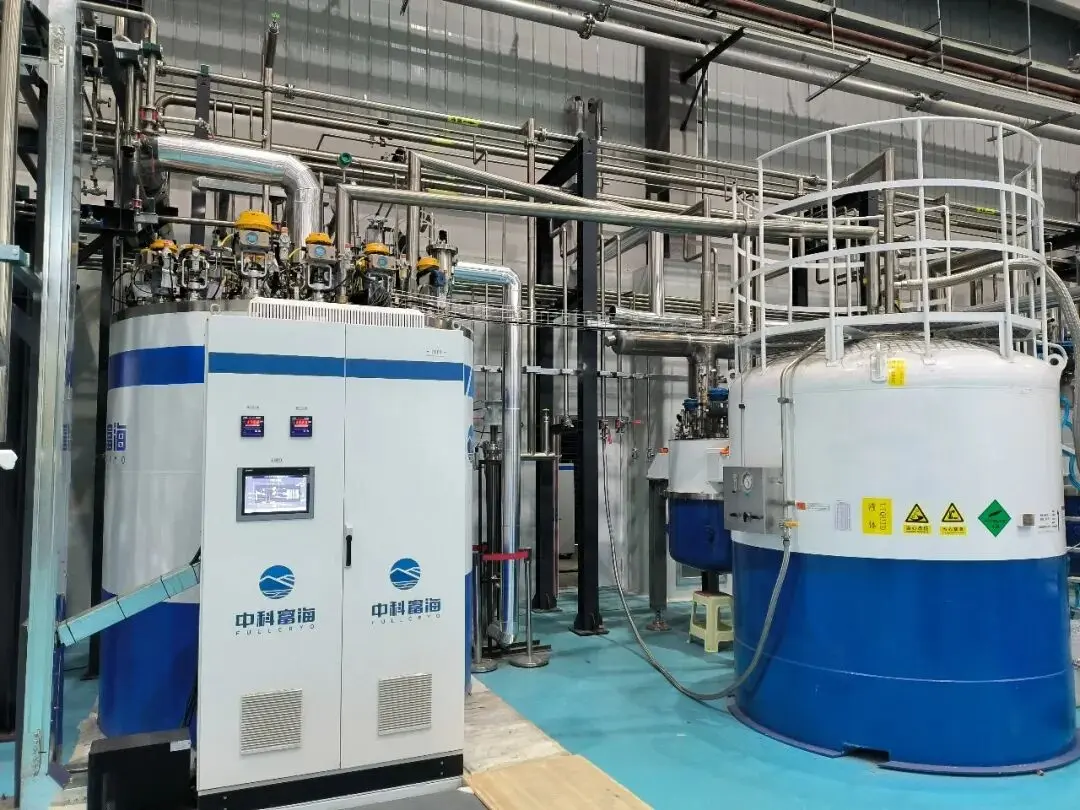
Promoting Recycling and Reuse Technologies: Improving helium utilization efficiency is an effective way to ease supply pressure. Advanced recovery technologies, such as vibration-damping self-circulating helium liquefaction, enable direct recovery and reliquefaction of helium, significantly reducing liquid helium usage costs. For helium used in semiconductor manufacturing, medical fields (such as MRI), and other applications, efficient purification and recycling systems can reduce impurity levels to extremely low concentrations, enabling sustainable reuse.
As semiconductor technology advances — for instance, with increasing 3D NAND stacking layers and broader adoption of EUV lithography — process environmental and cooling requirements will become more stringent, likely driving continued growth in high-purity helium demand.
Conclusion
Thus, helium has evolved from a common industrial gas to a critical strategic resource affecting national semiconductor and technological security. Ensuring stable helium supply and building resilient supply chains are of profound importance for maintaining the sustainable development of China’s semiconductor industry. Transitioning from passive reliance to proactive planning through technological breakthroughs, resource expansion, and recycling represents the essential path to addressing this “invisible crisis.”