Top Trends in Cryogenic Refrigeration Systems for 2025 You Should Know
In the rapidly evolving world of cryogenic refrigeration systems, staying ahead of the trends is crucial for industry professionals. As we approach 2025, advancements in technology and a focus on sustainability are reshaping the landscape of these systems. According to Dr. Emily Harwood, a leading expert in cryogenic technologies, "The future of cryogenic refrigeration systems lies in their ability to not only meet cooling needs but also to do so in an environmentally friendly manner." This insight underscores the imperative for innovation that balances efficiency with ecological responsibility.
As we explore the top trends for cryogenic refrigeration systems in 2025, it becomes apparent that both emerging technologies and a renewed emphasis on energy efficiency will play pivotal roles. Key developments such as the integration of advanced materials, automation, and IoT capabilities are set to revolutionize the way these systems operate. Additionally, the ongoing drive towards reduced carbon footprints will challenge engineers and manufacturers to rethink traditional designs and methodologies.
This introduction provides a glimpse into the changes on the horizon for cryogenic refrigeration systems. By examining these trends, stakeholders in the industry can prepare to adapt and thrive in a competitive marketplace that prioritizes sustainability and innovation. The commitment to a greener future will not only enhance system performance but also align with global initiatives aimed at protecting our planet.
Emerging Technologies in Cryogenic Refrigeration for 2025
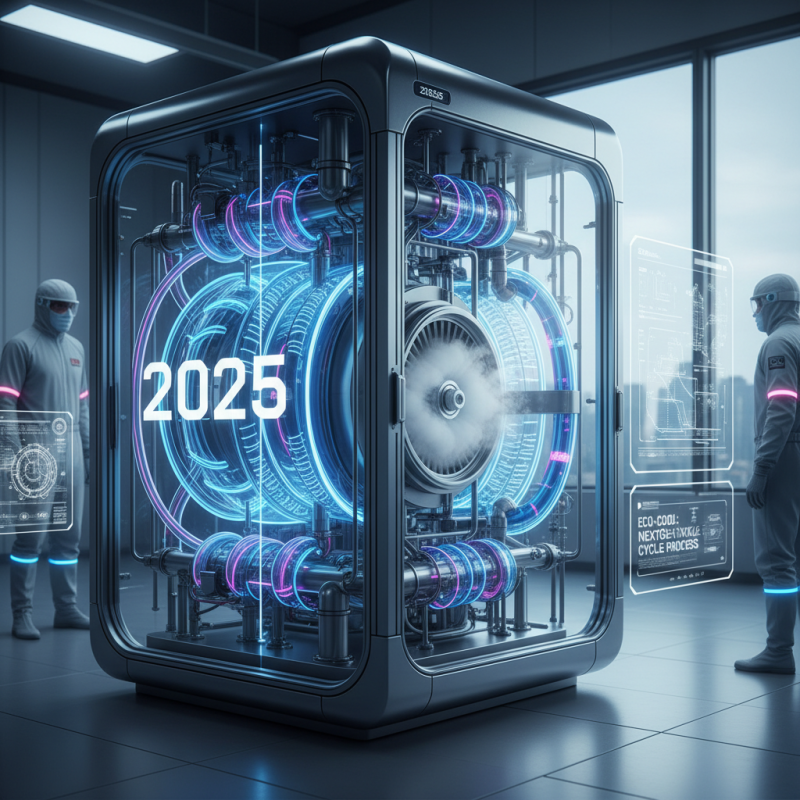
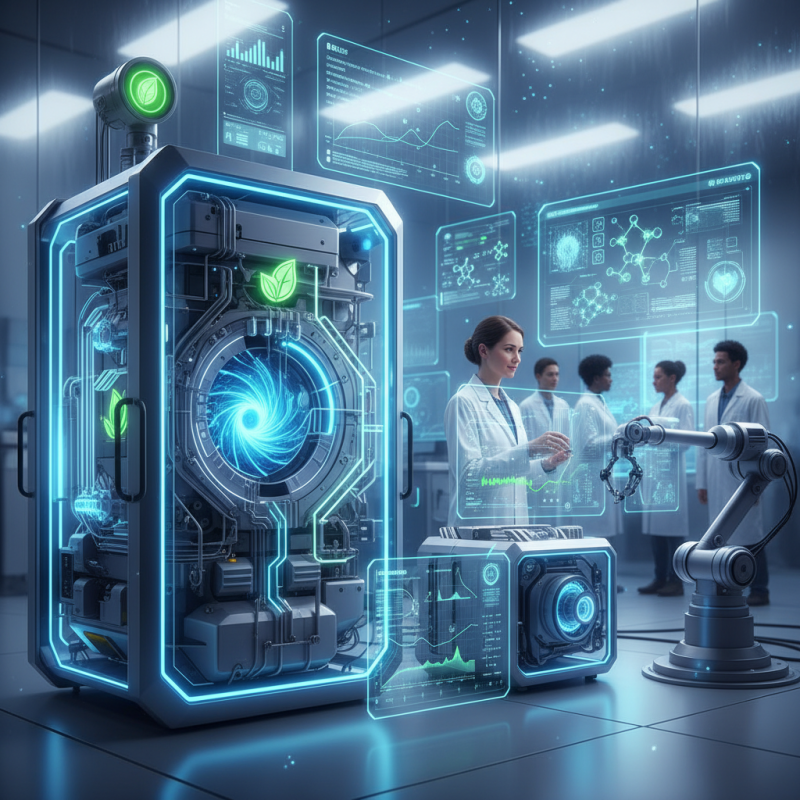
Emerging technologies in cryogenic refrigeration systems are set to revolutionize multiple industries by 2025. One of the most promising advancements is the development of more efficient cycle processes that enhance cooling performance while reducing energy consumption. Innovations in materials science are also enabling manufacturers to create lightweight and highly conductive materials, improving the overall efficiency of these systems. Researchers are exploring superconducting materials, which can operate at higher temperatures, paving the way for more sustainable refrigeration options.
To ensure optimal performance of cryogenic systems, it is essential to regularly evaluate and implement new technologies. Tips for achieving this include staying informed about the latest research and participating in industry conferences to connect with other professionals. Additionally, investing in training for employees to understand the new systems and technologies can significantly reduce errors and improve operational efficiency.
Another emerging trend is the increasing role of automation and artificial intelligence in cryogenic refrigeration. By leveraging advanced algorithms and machine learning, systems can predict maintenance needs and optimize cooling cycles based on real-time data. Tips for integrating these technologies include starting with pilot projects to assess their impact and scaling gradually, allowing for a smoother transition to automated processes within your operations.
Advancements in Materials for Enhanced Cryogenic Efficiency
Advancements in materials play a pivotal role in enhancing the efficiency of cryogenic refrigeration systems. As industries increasingly demand high-performance cooling solutions, innovations in superconducting materials and composite insulations have emerged as focal points. For instance, a recent report from the International Cryogenics Conference indicates that the introduction of advanced polymer composites has led to a 20% reduction in thermal conductivity at cryogenic temperatures, which translates to substantial energy savings and improved performance.
Innovative materials such as aerogels and nano-coatings have also shown promise in minimizing heat transfer, allowing cryogenic systems to operate more efficiently. According to a study published by the Cryogenic Engineering Research Center, systems utilizing these materials can achieve a cooling efficiency increase of up to 30%. This evolution in material science not only promotes sustainability but also reduces operational costs across various applications, including medical storage and renewable energy sectors.
**Tip: Consider investing in systems that utilize the latest composite materials for enhanced durability and efficiency, especially if you're operating in industries requiring stringent cryogenic conditions. This can greatly affect your overall operational performance and energy consumption.**
**Tip: Regularly review material specifications and thermal performance metrics during equipment upgrades or replacements to ensure that your cryogenic refrigeration systems align with the newest technological advancements. Staying informed can lead to significant cost and energy savings in the long run.**
Sustainable Energy Solutions in Cryogenic Cooling Systems
As we look towards 2025, the focus on sustainability within cryogenic refrigeration systems is becoming increasingly vital. These systems are integral to various industries, including healthcare, food preservation, and even energy production. By exploring sustainable energy solutions, these systems can improve efficiency and reduce their environmental impact, paving the way for a greener future. Innovations in cryogenic technology are now incorporating renewable energy sources, allowing for more sustainable operations and decreased reliance on fossil fuels.
One significant trend in sustainable cryogenic cooling is the integration of advanced insulation materials and energy-efficient compressors. These technologies minimize energy loss and maximize cooling capacity, resulting in lower overall energy consumption. Additionally, the utilization of cryogenic liquids as environmentally friendly refrigerants is gaining traction, as they often have a lower global warming potential than traditional refrigerants. By prioritizing these sustainable approaches, the cryogenic sector is poised to make substantial contributions to reducing carbon footprints while continuing to meet demanding cooling requirements.
Top Trends in Cryogenic Refrigeration Systems for 2025 You Should Know - Sustainable Energy Solutions in Cryogenic Cooling Systems
| Trend |
Description |
Impact on Sustainability |
Expected Adoption Rate (%) |
| Advanced Refrigerants |
Utilization of low-global warming potential (GWP) refrigerants. |
Reduces greenhouse gas emissions. |
75% |
| Energy Recovery Systems |
Integration of systems that recover waste heat for additional use. |
Improves overall energy efficiency. |
60% |
| AI and Automation |
Implementation of AI to optimize system performance and maintenance. |
Minimizes operational costs and energy consumption. |
65% |
| Modular System Design |
Use of modular designs for ease of scalability and maintenance. |
Enhances usability and reduces waste. |
50% |
| Sustainable Materials |
Adoption of sustainable and recyclable materials in system construction. |
Lowers the environmental impact of manufacturing. |
55% |
Regulatory Trends Impacting Cryogenic Refrigeration Systems in 2025
As the cryogenic refrigeration industry looks toward 2025, regulatory trends are set to have a significant impact on system development and operational protocols. Stricter environmental regulations are expected to play a central role, pushing manufacturers to adopt more sustainable practices and innovations. This includes a focus on reducing greenhouse gas emissions and optimizing energy efficiency. Companies will need to stay ahead of these regulations by investing in advanced technologies that not only comply but also help in positioning themselves as leaders in environmental stewardship.
Tips: When considering upgrades to your cryogenic systems, prioritize technologies that enhance energy efficiency. Look for solutions that minimize energy consumption while maintaining system performance. This strategic investment can not only help you comply with regulations but also reduce operating costs in the long run.
Moreover, as compliance pressures grow, transparency in operations and supply chain practices will become more critical. Manufacturers may need to provide detailed documentation and certifications to demonstrate adherence to regulatory requirements. This shift toward greater accountability encourages businesses to refine their processes and ensure that all components meet the required standards of safety and performance.
Tips: Engage with stakeholders in your supply chain to ensure that they are also compliant with relevant regulations. Regular audits and open communication can help identify potential risks early and ensure a seamless operation that adheres to industry standards.
Future Applications of Cryogenic Refrigeration in Various Industries
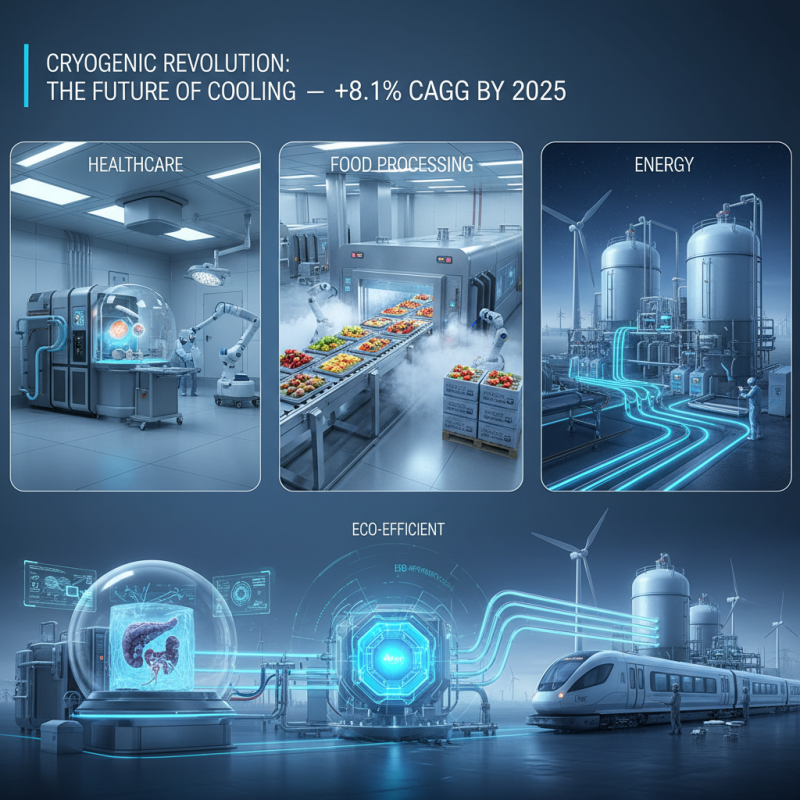
The future applications of cryogenic refrigeration systems are poised to revolutionize multiple industries, driven by advancements in technology and a growing demand for efficient cooling solutions. According to a recent report by ResearchAndMarkets, the cryogenic refrigeration market is projected to grow significantly, with an estimated CAGR of 8.1% from 2020 to 2025. This growth is largely attributed to the increasing use of cryogenic systems in sectors such as healthcare, food processing, and energy.
In the healthcare industry, cryogenic refrigeration plays a vital role in preserving biomedical materials, including vaccines, cell cultures, and blood products. As the global pandemic has highlighted the importance of efficient and reliable vaccine storage, advancements in cryogenic techniques ensure that these sensitive materials maintain their integrity over extended periods. A study from MarketsandMarkets points out that the healthcare segment is expected to hold the largest market share, driven by the rising demand for cryopreservation services.
Moreover, the food processing and preservation sectors are harnessing cryogenic technology to enhance product quality while minimizing waste. Cryogenic freezing methods allow for rapid cooling, which helps maintain the taste, texture, and nutritional value of food products. The Food and Agriculture Organization (FAO) reports that cryogenic freezing can reduce spoilage rates by up to 50%, further emphasizing its importance in the industry's push towards sustainability. The increasing emphasis on reducing food waste and improving supply chain efficiency is expected to further proliferate the use of cryogenic refrigeration systems across various food-related applications.