Top 5 Cryogenic Gas Containers to Boost Your Supply Chain?
In today's fast-paced supply chain landscape, efficient management of Cryogenic Gas Containers plays a pivotal role. Experts like Dr. Emily Chen, a renowned authority in cryogenics, emphasize, "The right cryogenic containers can enhance both safety and efficiency in gas handling." As industries expand, the demand for these specialized containers grows.
Cryogenic Gas Containers are essential for storing and transporting gases like oxygen, nitrogen, and argon. They operate at extremely low temperatures, making them crucial for many sectors. In pharmaceuticals and food preservation, for example, these containers maintain product quality. However, choosing the right container requires careful consideration.
Some suppliers may offer lower-cost options, yet this can compromise safety and reliability. Investing in high-quality Cryogenic Gas Containers is not just a matter of compliance; it affects overall operational integrity. As we explore the top five options available today, it’s clear that each choice carries implications for efficiency and safety within the supply chain.
Key Factors to Consider When Selecting Cryogenic Gas Containers
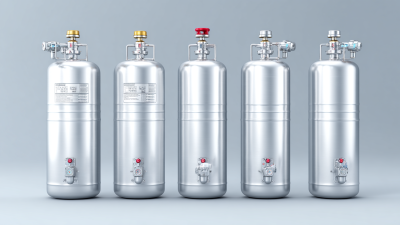
When selecting cryogenic gas containers, several key factors should guide your decision. First, consider the materials used in the construction. High-quality insulation is crucial. It prevents heat transfer and helps maintain the desired temperature. Containers made from stainless steel are often preferred for their durability and resistance to corrosion.
Next, think about the container's capacity. Your specific operational needs will vary. Smaller containers may work for experimental labs. In contrast, large bulk containers are ideal for industrial applications. Analyze your usage patterns to determine the right size.
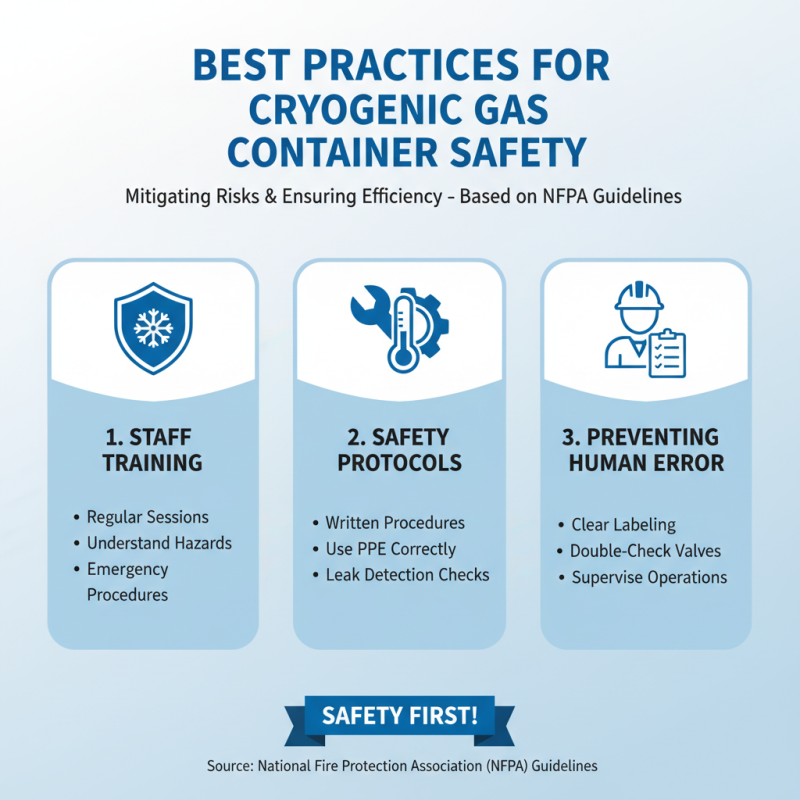
Safety features are paramount. Look for pressure relief valves, monitoring systems, and cryogenic safety gear. These elements play a significant role in preventing potential hazards. Evaluate the supplier's track record in providing reliable products. Do they have certifications or industry standards compliance? Reflecting on these aspects can make a difference in your operations.
Top 5 Cryogenic Gas Containers to Boost Your Supply Chain
This chart illustrates the comparison of key specifications for top cryogenic gas containers based on factors such as capacity, insulation type, and weight. Selecting the right container is crucial for efficient supply chain management.
Top Features of High-Performance Cryogenic Gas Containers
When it comes to cryogenic gas containers, specific features significantly enhance their performance in supply chain management. One key feature is insulation. High-quality insulation minimizes heat transfer, crucial for maintaining low temperatures during transportation. A recent report from the International Cryogenics Association indicates that effective insulation can reduce energy costs by at least 20% over time. This factor alone can substantially impact overall logistics expenses.
Another vital aspect is safety mechanisms. Cryogenic containers must include safety vents and pressure relief valves. According to a study published by the Cryogenic Safety Council, over 30% of cryogenic incidents stem from improper pressure management. Implementing reliable safety features can drastically decrease these risks. Furthermore, the materials used in container construction should resist corrosion, ensuring longevity and reliability. Typically, aluminum or stainless steel is preferred for their durability and resistance to extreme temperatures.
Mobility is also worth considering. Lightweight containers enhance ease of transport, allowing for more efficient supply chain operations. Statistical data suggests that reducing container weight by just 10% can improve fuel efficiency in transport vehicles by up to 15%. However, it's critical to balance weight with strength, as lightweight materials may compromise durability under extreme conditions. Continuous improvements in design and materials should reflect on ongoing industry enhancements.
Top 5 Cryogenic Gas Containers to Boost Your Supply Chain
| Container Type |
Capacity ( liters ) |
Insulation Type |
Temperature Range (°C) |
Weight (kg) |
Special Features |
| Vertical Storage Tank |
1000 |
Vacuum Insulation |
-196 to -20 |
400 |
Automated Filling System |
| Cryogenic Dewar |
50 |
Multi-layer Insulation |
-196 to 0 |
20 |
Portable and Lightweight |
| Cryogenic Bulk Tank |
6000 |
Foam Insulation |
-180 to -20 |
900 |
High Efficiency |
| Cryogenic LNG Tank |
20000 |
Cryogenic Insulation |
-162 to -100 |
8000 |
Integrated Safety Features |
| Transportable Cryogenic Container |
1500 |
Dual-layer Insulation |
-196 to -50 |
300 |
Easy Transportation Design |
Comparison of Different Types of Cryogenic Gas Containers
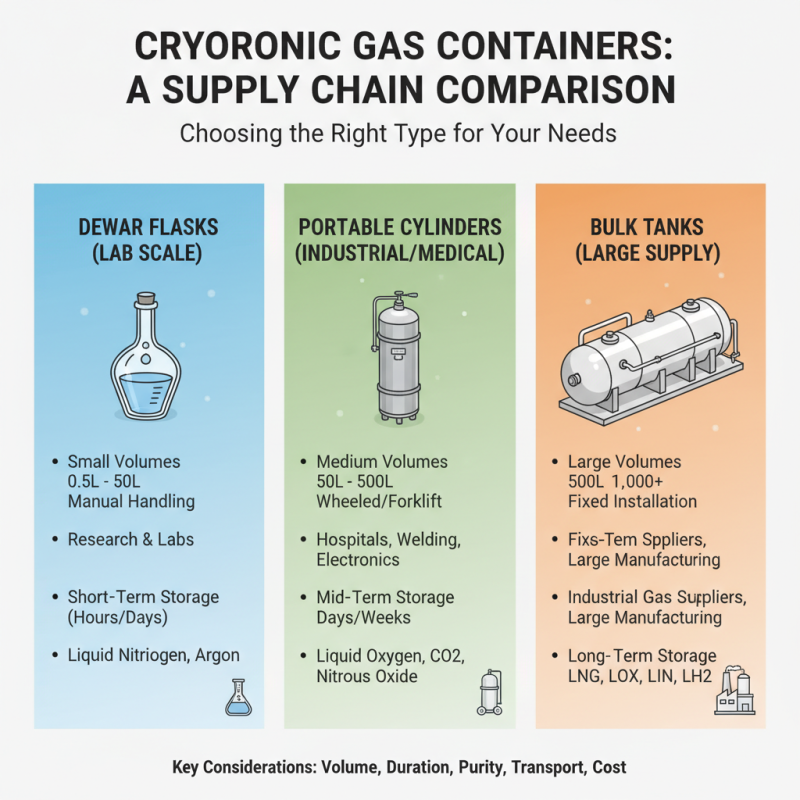
When it comes to cryogenic gas containers, choosing the right type can significantly impact your supply chain. Various containers exist, each designed for specific applications. For instance, Dewar flasks are popular for storing liquefied gases like nitrogen or helium. Their design minimizes heat transfer, maintaining low temperatures efficiently.
Another option is the cryogenic tank. These large containers are ideal for bulk storage. They are insulated for long-term use and usually require a complex setup. However, they can present challenges in terms of installation and maintenance.
Portable cryogenic containers offer flexibility. They are useful for transporting gases across different locations. Yet, their capacity is limited. Users often find themselves needing multiple units, leading to increased costs. As you assess your requirements, weigh these factors carefully.
Industry Applications for Cryogenic Gas Containers in Supply Chains
Cryogenic gas containers play a crucial role in various industries. These containers are essential for storing gases at extremely low temperatures. Their applications span healthcare, food preservation, and energy sectors. For example, in healthcare, cryogenic containers store vital substances like vaccines and organs. They ensure that these materials remain viable for extended periods.
The food industry also benefits significantly from cryogenic technology. Foods flash-frozen in cryogenic containers retain quality. This method preserves flavor, texture, and nutritional value. It addresses challenges with traditional freezing methods, which can lead to degradation.
In the energy sector, cryogenic containers are vital for transporting liquefied natural gases. This approach enhances logistical efficiency and reduces carbon footprints. However, even with advanced technology, challenges persist. Proper insulation and material choice are crucial to prevent heat transfer. Continuous improvements are necessary to address these issues. Understanding the unique requirements of each application ensures that cryogenic gas containers function effectively in supply chains.