Top 2025 Cryogenic Containers for Safe Storage and Transportation Solutions
In the rapidly advancing field of cryogenics, the need for reliable and innovative storage and transportation solutions has never been more pressing. As we explore the landscape of cryogenic containers in 2025, it's essential to recognize the pivotal role these containers play in ensuring the safe preservation of materials at extremely low temperatures. Dr. Emily Carter, a renowned expert in cryogenic technology, aptly states, “The efficacy of cryogenic containers hinges on their design and material integrity, which ultimately determines the success of our operations in any scientific or industrial application.”
As industries from healthcare to aerospace increasingly rely on cryogenic storage solutions, understanding the top cryogenic containers available in 2025 is crucial. These containers not only safeguard sensitive substances but also support innovations in research and development, ensuring that they remain viable for their intended purposes. By delving into the key features and advancements in design, we can identify which cryogenic containers will stand out in providing unmatched safety and efficiency.
Ultimately, the right choice of cryogenic containers is instrumental in fostering advancements across various sectors. This comprehensive analysis will illuminate the best options available, allowing stakeholders to make informed decisions that bolster their operational capabilities and drive future innovations.
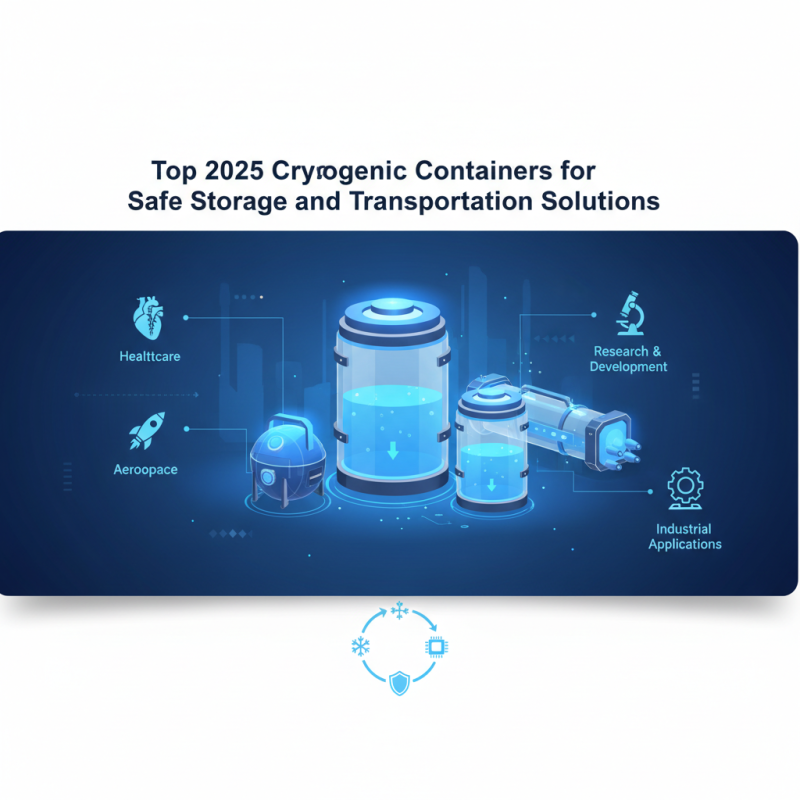
Top Features to Consider in Cryogenic Containers for 2025
When evaluating cryogenic containers for 2025, several key features must be considered to ensure safe storage and efficient transportation of sensitive materials. One of the foremost considerations is insulation technology. Advanced high-performance insulation helps maintain temperature stability, preventing significant heat transfer and ensuring that cryogenic substances remain at the required low temperatures throughout their lifespan.
Another crucial attribute is the design and construction materials of the container. Opting for lightweight yet durable materials enhances portability while ensuring robustness during transit. Additionally, containers should feature pressure relief mechanisms to manage the build-up of gases, which can occur due to temperature fluctuations. This safety measure is essential for preventing accidents and ensuring the integrity of the materials being stored or transported.
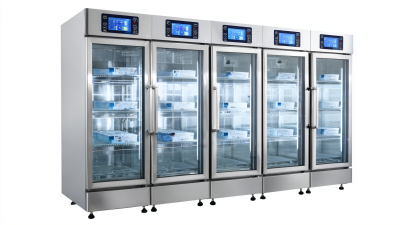
Furthermore, user-friendliness is a significant aspect that should not be overlooked. Containers equipped with intuitive handling features and clear labeling help streamline operations, minimizing the risk of mishandling. The integration of smart technology, such as temperature monitoring systems, can provide real-time updates, allowing for proactive management and temperature control during storage or transport. The culmination of these features ensures optimal performance and safety in cryogenic applications, meeting the demands of the year 2025 and beyond.
Types of Cryogenic Containers: Options and Applications
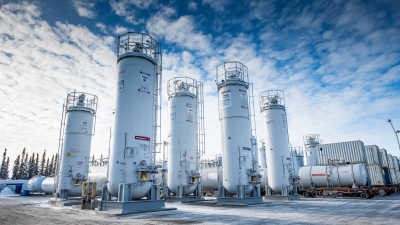
Cryogenic containers are crucial for the safe storage and transportation of materials at extremely low temperatures. They come in various types, each designed for specific applications across multiple industries. The most common types include vacuum-insulated containers, cryogenic tanks, and Dewar flasks. Vacuum-insulated containers are typically used for liquid nitrogen storage, while cryogenic tanks serve larger quantities of gases like helium and hydrogen. Dewar flasks, on the other hand, are portable and often utilized in laboratory settings for transporting small volumes of liquid gases.
According to a report by the International Association for Cryogenic Engineering, the global market for cryogenic storage solutions is projected to reach $12 billion by 2025, driven by increasing demand in sectors like healthcare, aerospace, and food processing. For instance, in the medical field, cryogenic containers are essential for preserving biological samples, such as stem cells and reproductive cells, at low temperatures, dramatically reducing the risk of cell death. Meanwhile, the aerospace industry relies heavily on cryogenic technology for the fuel storage of rockets and space vehicles, where maintaining optimal temperatures is vital for performance and safety.
Each type of cryogenic container is equipped with specific safety features, including pressure relief valves and advanced insulation materials, to prevent catastrophic failures during both storage and transport. The choice of container often hinges on variables such as the type of material being stored, the volume required, and specific environmental conditions during transportation, ensuring that industries can manage sensitive materials securely and efficiently.
Safety Standards and Regulations for Cryogenic Transport
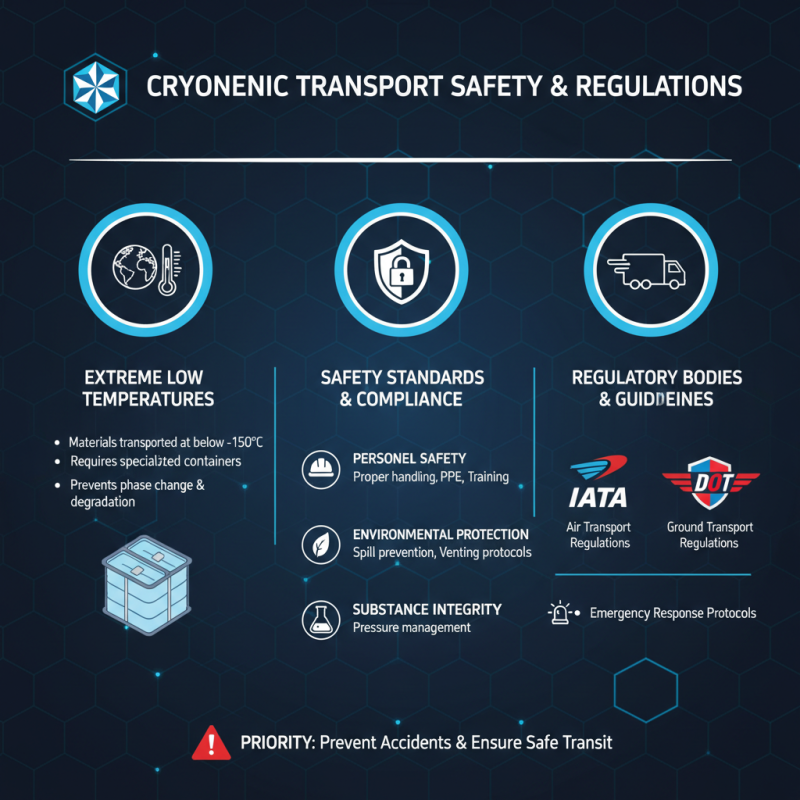
Cryogenic transport involves the movement of materials at extremely low temperatures, which necessitates adherence to stringent safety standards and regulations. The primary goal is to ensure the safety of personnel, the environment, and the integrity of the stored substances. Organizations like the International Air Transport Association (IATA) and the Department of Transportation (DOT) have established guidelines that govern the design and operation of cryogenic containers, prioritizing factors such as thermal efficiency, pressure management, and emergency response protocols. Compliance with these regulations is essential to prevent accidents during transport, which can arise from improper handling or equipment failure.
In addition to regulatory compliance, the safe transportation of cryogenic materials requires rigorous training for personnel involved in the handling and operation of cryogenic containers. Workers must be educated on the potential hazards of cryogenic materials, including asphyxiation risks due to oxygen displacement and the dangers posed by handling ultra-cold substances. Regular inspections and maintenance of cryogenic containers are also crucial to ensure they meet safety standards and are functioning correctly. By maintaining high safety protocols and adhering to established regulations, companies can effectively mitigate risks associated with the transport of cryogenic materials, fostering a safer and more efficient logistics environment.
Innovative Technologies in Cryogenic Container Design
The design of cryogenic containers has undergone significant advancements, driven by innovative technologies aimed at enhancing safety and efficiency. One of the foremost developments is the integration of advanced insulation materials that minimize heat transfer, thereby maintaining the extremely low temperatures required for materials like liquid nitrogen and helium. These modern insulations not only allow for reduced energy consumption but also contribute to lighter container designs, making them easier to transport without sacrificing performance.
Furthermore, smart monitoring systems equipped with IoT technology have become a game-changer in the field of cryogenic storage. These systems provide real-time data on temperature, pressure, and overall container integrity, enabling operators to track conditions remotely. Such innovations enhance operational safety by alerting users to any anomalies that could compromise the contents. As a result, these containers not only ensure the preservation of sensitive materials but also offer peace of mind during transportation, reducing the risk of costly losses and enhancing logistics efficiency in industries such as healthcare and research.
Top Cryogenic Containers in 2025: Storage Capacity Comparison
Market Trends and Future Prospects in Cryogenic Storage Solutions
The cryogenic storage market has seen significant advancements over the last few years, with increasing demand driven by the healthcare, aerospace, and energy sectors. According to a recent industry report by MarketsandMarkets, the cryogenic storage market is projected to grow from USD 12.2 billion in 2023 to USD 20.3 billion by 2028, reflecting a compound annual growth rate (CAGR) of 10.6%. This growth can be attributed to innovations in storage technologies and the rising need for safe and efficient transportation solutions that ensure the integrity of temperature-sensitive materials.
One of the key trends shaping the future of cryogenic storage solutions is the adoption of advanced insulation materials that enhance energy efficiency and reduce operational costs. Furthermore, the integration of IoT (Internet of Things) technology is enabling real-time monitoring of temperature and pressure conditions, which is crucial for maintaining the safety and quality of stored products. As companies increasingly prioritize sustainability, the shift towards eco-friendly cryogenic containers is becoming evident, signaling a promising future for the industry.
**Tips:** When selecting cryogenic containers, consider storage capacity and insulation efficiency to optimize performance. Always monitor temperature variations closely, especially during transit, to prevent product loss. Investing in IoT-enabled containers can provide peace of mind through real-time data tracking and alerts, enhancing overall operational efficiency.
Top 2025 Cryogenic Containers for Safe Storage and Transportation Solutions
| Container Type |
Capacity (Liters) |
Temperature Range (°C) |
Material |
Use Case |
Market Trend (%) |
| Dewar Flask |
10 |
-196 to -150 |
Aluminum |
Laboratories |
5% |
| Cryogenic Tank |
1000 |
-196 to 30 |
Carbon Steel |
Industrial Gas |
10% |
| Cryogenic Vessel |
500 |
-196 to -40 |
Stainless Steel |
Medical Applications |
15% |
| Cryogenic Box |
20 |
-196 to -150 |
Plastic |
Sample Transport |
8% |
| Cryo-Cylinder |
50 |
-196 to 0 |
Composite Materials |
Research |
12% |