Top Compressed Gas Suppliers in China for Global Buyers?
China is emerging as a vital player in the compressed gas industry, attracting global buyers with its robust suppliers. According to a recent market report, China's compressed gas production has grown by over 8% annually, underscoring its rising significance in the global market. Industry expert Dr. Li Wang states, "China's compressed gas supply chain offers unique opportunities, yet it demands careful navigation."
As more businesses seek reliable compressed gas suppliers, understanding the landscape becomes crucial. The sector is anticipated to reach USD 46 billion by 2025, driven by demand across industries like healthcare and manufacturing. However, this growth presents challenges. Prices can vary significantly, leading to uncertainty in procurement for international buyers.
Additionally, quality control remains a pressing issue. Not all suppliers meet global standards, leaving buyers vulnerable. Dr. Wang emphasizes the need for thorough research when sourcing, stating, "Selecting the right partner is essential to mitigate risks." In this dynamic environment, finding trustworthy compressed gas suppliers in China requires due diligence and a strategic approach.
Overview of Compressed Gas Industry in China
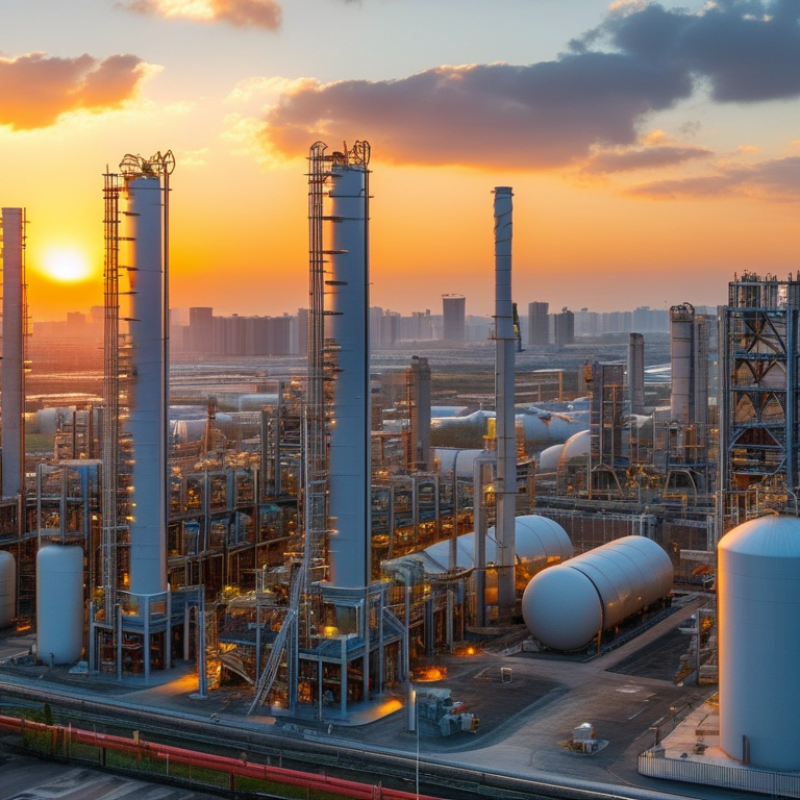
The compressed gas industry in China has seen significant growth in recent years. This expansion is driven by increasing demand across various sectors, including manufacturing, healthcare, and food processing. China's robust industrial base has positioned it as a major player in the global compressed gas market.
Many suppliers in China provide a wide range of gases, including oxygen, nitrogen, and argon. These gases are essential for industrial applications and medical uses. Suppliers are often located near key industrial hubs, ensuring efficient distribution. However, there are challenges. Quality control remains a concern for many buyers. Variability in purity levels can affect applications, particularly in the healthcare sector.
Moreover, regulations around safety and environmental impact are tightening. Some suppliers may struggle to comply. This can lead to potential risks for businesses seeking reliable partners. Buyers need to conduct thorough research before engaging with suppliers. Evaluating credibility and expertise is essential in this competitive landscape.
Key Players in China's Compressed Gas Market
China's compressed gas market is rapidly expanding, driven by the increasing demand across various industries, including healthcare, manufacturing, and energy. According to a recent industry report, the market value exceeded USD 10 billion in 2022 and is projected to grow at a CAGR of 5.5% through 2027. This growth highlights the significant role of compressed gases in modern applications.
Key players in this sector possess advanced knowledge and expertise. Many of these suppliers have invested heavily in technology and infrastructure to improve their service offerings. For instance, a significant number of enterprises focus on the production and distribution of industrial gases such as oxygen, nitrogen, and argon. China's urbanization and industrialization have fueled this demand, making reliable supply chains essential.
While the industry shows promising trends, challenges persist. Regulatory compliance and environmental concerns require constant adaptation. Suppliers must navigate these complexities while ensuring product quality and reliability. Continuous innovation and transparency will be crucial for players seeking to maintain their market position in this competitive landscape.
Compressed Gas Market Share in China
Criteria for Selecting Top Compressed Gas Suppliers
When selecting compressed gas suppliers in China, buyers should consider several critical factors. Supplier experience in the industry is paramount. Many top suppliers have decades of operational history, showcasing their reliability. According to a report by the China Compressed Gas Association, experienced suppliers often have better customer retention and service rates, lending credibility to their claims.
Another vital criterion is product quality. Buyers should request certificates of analysis for gases provided. A report from the Institute of Compressed Gas Studies highlights that up to 15% of non-compliance issues arise from inferior gas quality. Suppliers should also offer detailed safety data sheets and adhere to strict production standards. Transparency in sourcing and supply chain practices is essential for a trustworthy partnership.
Pricing models also play a significant role. Some suppliers may offer competitive prices, but hidden costs can lead to dissatisfaction. Buyers should evaluate total costs and service flexibility. A study found that 30% of procurement managers faced challenges due to unexpected charges, highlighting the need for clarity in contracts. Engaging with industry forums can help potential buyers gather insights and experiences from other global clients, reinforcing informed decisions.
Top Compressed Gas Suppliers in China for Global Buyers
| Criteria |
Supplier A |
Supplier B |
Supplier C |
| Product Range |
Wide Variety of Gases |
Specialty Gases |
Industrial Gases |
| Quality Certifications |
ISO 9001, ISO 14001 |
ISO 9001 |
ISO 9001, ASME certified |
| Delivery Capability |
Same-day Shipping |
Next-day Shipping |
Standard Shipping Options |
| Customer Service |
24/7 Support |
Business Hours Support |
Limited Support |
| Global Reach |
Worldwide Distribution |
Regional Focus |
Limited International Presence |
Global Buyers' Guide to Sourcing Compressed Gases in China
Sourcing compressed gases in China can be a strategic move for global buyers. The market is expanding rapidly, especially with the increasing demand in various industries. According to recent industry reports, the compressed gas market in China is projected to grow at a CAGR of 5.3% from 2021 to 2026. This growth reflects the rise in industrial applications and technological advancements.
When sourcing, buyers should prioritize suppliers with reliable certifications. This ensures the quality and purity of the gases. Many suppliers are adhering to ISO standards, which enhance trust levels. Be wary of suppliers that lack transparency in their production processes. Understanding how gases are refined can impact your operations.
Research local regulations before entering contracts. Compliance can often be more complex than anticipated. China's regulatory landscape for gas suppliers occasionally changes, which may affect supply chains. Always seek updated information on these regulations.
Engaging with multiple suppliers can lead to better pricing and quality options. Don't settle for the first offer; competition often benefits buyers. A comprehensive understanding of local market dynamics can further enhance sourcing efforts.
Future Trends in the Chinese Compressed Gas Supply Chain
The Chinese compressed gas supply chain is evolving rapidly. According to a recent industry report, the compressed gas market in China is expected to reach a value of approximately $30 billion by 2025. This growth is driven by increasing industrialization and rising demand from sectors such as healthcare, manufacturing, and food processing.
Innovations in production techniques are also shaping the future. Many suppliers are adopting advanced technologies like automation and smart logistics. These changes promise to enhance operational efficiency and reduce costs. Furthermore, a focus on sustainability is emerging. Many companies are exploring eco-friendly production methods to meet regulatory pressures and consumer expectations.
However, challenges remain. The logistics of supply chain management can be complex. Many suppliers face difficulties in maintaining quality and ensuring timely delivery. Ensuring safety while handling compressed gases is critical. The industry must address these issues to remain competitive. As the market grows, the need for better regulatory frameworks and industry standards becomes increasingly important.