Top 10 Cryogenic Oxygen Plant Benefits for Global Buyers?
The demand for oxygen in various industries continues to rise globally. This trend is evident in sectors like healthcare, metal fabrication, and aerospace. A Cryogenic Oxygen Plant offers significant advantages for businesses aiming to optimize their oxygen supply. According to recent industry reports, the global oxygen market is expected to reach USD 47 billion by 2027. This growth is a testament to the critical role oxygen plays in modern applications.
Cryogenic Oxygen Plants operate efficiently by liquefying air to extract pure oxygen. This process is not only cost-effective but also provides a reliable source of high-purity oxygen. However, the initial setup cost can be a consideration for potential buyers. It’s essential for companies to weigh the long-term benefits against the upfront investment. Factors like energy consumption and maintenance should also be assessed to ensure sustainability.
The benefits of using a Cryogenic Oxygen Plant extend beyond cost savings. Enhanced purity, increased production capacity, and lower environmental impact are key considerations. Nonetheless, careful planning is necessary to avoid potential operational challenges. Understanding these dynamics can help buyers make informed decisions, ultimately facilitating smoother operations and improved efficiency in their oxygen supply chain.
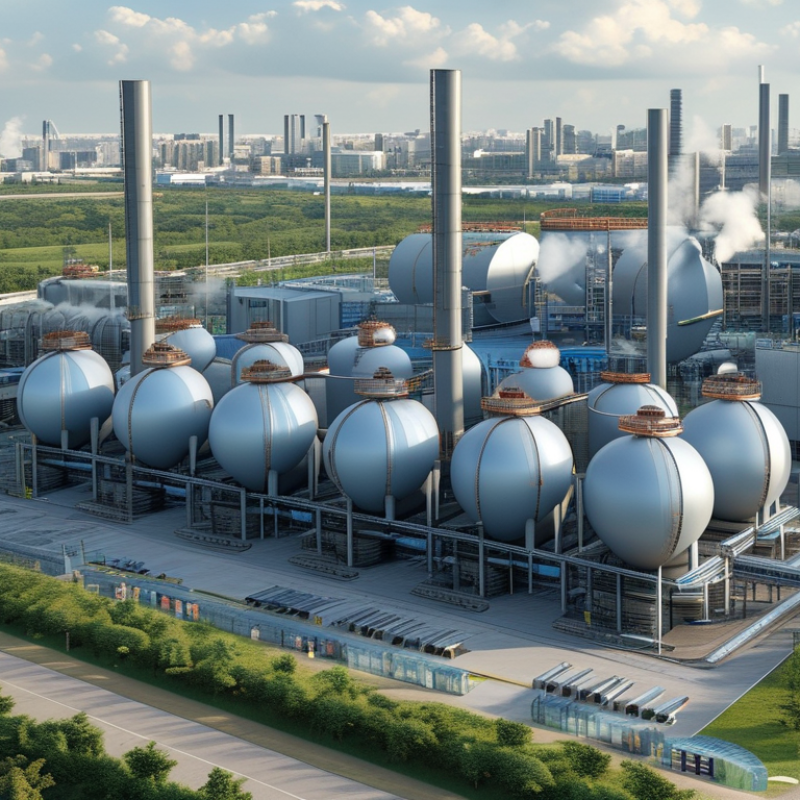
Advantages of Cryogenic Oxygen Plants in Industrial Applications
Cryogenic oxygen plants hold significant advantages for various industries. They provide a highly efficient method for producing oxygen. This efficiency is crucial for applications in healthcare, metal fabrication, and chemical industries. The purity of oxygen generated through cryogenic methods is typically above 99%. This high purity benefits sectors that require precise oxygen levels.
Operational costs can also be a concern. Although initial setup is high, energy consumption is relatively low. A well-designed plant can lead to long-term savings. Durability is another factor. These systems often require less maintenance when compared with other production methods.
**Tips**: When considering a cryogenic oxygen plant, assess the specific needs of your industry. A bespoke approach can enhance efficiency and output. Additionally, engaging with experienced consultants can streamline the process and reveal hidden benefits.
Flexibility is also important. Cryogenic plants can adapt to fluctuations in demand. This adaptability can support various applications, enabling users to scale output as needed. However, ensure regular assessments of plant performance to address potential inefficiencies. Regular maintenance checks can prevent unexpected downtime and costly repairs.
Cost Efficiency Compared to Traditional Oxygen Production Methods
Cryogenic oxygen plants offer significant cost efficiency, especially compared to traditional oxygen production methods. Traditional methods, like pressure swing adsorption, have high operational costs. In contrast, cryogenic technology allows for bulk oxygen production at lower unit costs. The cold temperatures needed in this process can reduce energy consumption, leading to a decrease in overall expenses.
Moreover, cryogenic processes allow for higher purity levels in oxygen production. This is essential for industries requiring high-grade oxygen, such as healthcare and aerospace. The initial investment may seem substantial, but the long-term savings are undeniable. Without the right technology, companies might not achieve desired efficiency or purity.
Still, there are challenges. Transitioning to cryogenic systems requires expertise and training. Manufacturers must ensure that their personnel are well-versed in handling the equipment. Regular maintenance is crucial to avoid costly downtime. Investing in training may seem burdensome. However, the return on investment can be substantial when done correctly.
Enhanced Purity and Quality of Oxygen for Various Industries
The enhanced purity and quality of oxygen from cryogenic oxygen plants is vital for several industries. Industries like healthcare, metal production, and aerospace rely on high-purity oxygen. The cryogenic process efficiently removes impurities, ensuring oxygen meets stringent standards.
Tips: Always check the purity levels specified for your industry. This ensures optimal performance and safety.
Moreover, cryogenic methods provide oxygen at low temperatures, reducing the formation of unwanted compounds. This feature is critical for industries that require precision. Even a small impurity can lead to significant issues in operations.
Tips: Consult with industry experts about specific requirements. Understanding these nuances can lead to better outcomes.
Using cryogenic oxygen also reduces costs by minimizing waste. Efficient production methods result in higher yield rates. This ultimately contributes to environmental sustainability, making it an attractive option for eco-conscious buyers. However, not all systems may yield consistent results. Regular assessments and improvements are necessary to maintain quality.
Environmental Benefits of Adopting Cryogenic Oxygen Technology
Cryogenic oxygen technology offers numerous environmental benefits that are increasingly significant in today's climate-conscious world. This technology enables the production of high-purity oxygen through a process that significantly reduces carbon emissions compared to conventional methods. By utilizing cryogenic processes, industries can lower their carbon footprint, making a positive impact on air quality. The purified oxygen produced can also support cleaner combustion processes, further reducing harmful emissions.
In addition to minimizing carbon footprints, cryogenic oxygen plants bolster resource efficiency. These plants can operate with lower energy consumption than traditional oxygen generation methods. This efficiency not only saves energy but also reduces operating costs over time. However, the initial investment and the complexity of operation can pose challenges. Some buyers may find it difficult to evaluate whether the long-term savings outweigh these initial hurdles.
Moreover, implementing this technology could lead to a shift in industrial practices. Companies might face the task of retraining staff or investing in updated infrastructure. This transition period could uncover unforeseen problems, requiring careful planning and adaptation. Despite these challenges, the long-term environmental benefits are compelling and worth considering. Ultimately, adopting cryogenic oxygen technology can signify a substantial step forward in promoting a sustainable future.
Scalability and Customization for Diverse Production Needs
Cryogenic oxygen plants offer immense scalability and customization for various industrial needs. As industries demand higher efficiency, these plants can adapt production rates from small-scale to large-scale. This flexibility allows buyers to optimize operations. In fact, a 2022 market analysis indicated that customized cryogenic solutions can enhance production efficiency by up to 30%.
Customization is crucial in addressing specific operational requirements. Industries like healthcare, steel manufacturing, and aerospace have unique needs. With tailored cryogenic solutions, businesses can streamline processes. A tailored system can reduce costs and align production processes with specific applications. This level of customization can drive profitability and efficiency.
**Tips:** Consider conducting a needs assessment before investing in a cryogenic oxygen plant. Understand your production requirements fully. Implementation of scalable solutions may seem complex, but it can lead to long-term benefits. Evaluate potential suppliers based on their ability to offer customized options aligned with your operational goals. Remember, starting small can lead to significant growth—ensure your initial setup is modular for future expansions.
Top 10 Cryogenic Oxygen Plant Benefits for Global Buyers