Global demand for oxygen equipment is expanding across hospitals, clinics, home care, and emergency response. The World Health Organization identifies oxygen as an essential medical treatment, while its technical guidance stresses purity, flow stability, maintenance, and user safety. UNICEF procurement guidance also highlights reliable power, spare parts, training, and local service capacity. These details matter more than a bright product brochure.
This article examines the Top 10 Types of Automatic Oxygen Machines for Global Buyers. The term “Automatic Oxygen Machine” can describe several systems, including stationary concentrators, portable concentrators, PSA oxygen generators, and larger medical oxygen plants. Not every model fits every market. A quiet five-liter concentrator may suit a home patient, but it cannot support a busy hospital ward. Grand View Research’s 2024 oxygen concentrators market analysis points to strong demand from home healthcare and portable applications. Meanwhile, MarketsandMarkets’ medical oxygen equipment research emphasizes growing requirements in hospitals and emerging healthcare systems.
Buyers should compare oxygen concentration, continuous or pulse flow, power consumption, noise, altitude performance, alarm functions, and expected service life. ISO 80601-2-69 provides relevant safety requirements for oxygen concentrators, while regional regulators may require additional approvals. Real-world reliability is less glamorous. A machine that stops during voltage fluctuations becomes an expensive metal box. This outline may not capture every regional purchasing condition, and that limitation deserves attention. Supplier verification, independent testing, warranty terms, and after-sales support remain essential before any global procurement decision.
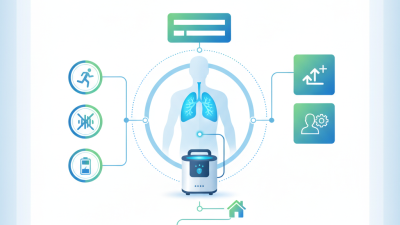
Automatic oxygen machines are not one formal medical category. They usually include oxygen concentrators with automatic controls, portable pulse-dose units, continuous-flow systems, and high-flow devices. A concentrator draws room air through a compressor and molecular sieve beds. Nitrogen is removed, while concentrated oxygen moves through tubing to the patient.
The machine uses sensors, valves, and software to control flow. Pulse-dose models detect inhalation and release a measured oxygen bolus. Continuous-flow models deliver oxygen steadily, even during sleep. Some systems adjust output when breathing changes, but “automatic” does not mean fully independent. The device cannot diagnose low oxygen or select a safe prescription. That distinction is easy to miss.
The 2021 Global Burden of Disease study estimated 212.3 million people lived with chronic obstructive pulmonary disease globally. WHO and UNICEF have also reported that over two billion people lack reliable access to medical oxygen. These figures explain the demand for compact and dependable equipment.
Buyers should check oxygen concentration, rated flow, alarm functions, noise, battery endurance, and altitude limits. WHO technical guidance emphasizes performance verification and maintenance. In practice, alarms may be ignored, filters may clog, and battery claims can disappoint in cold conditions. A pulse oximeter helps, but it is not perfect. Medical professionals should set the flow and review the patient’s response.
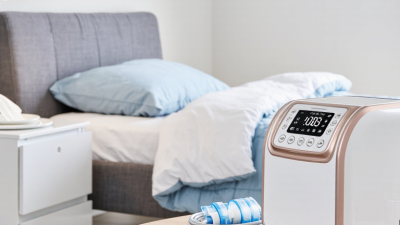
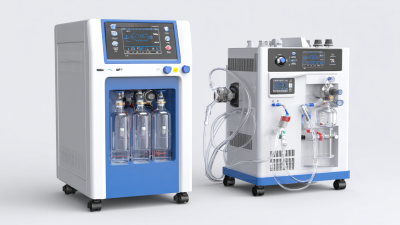
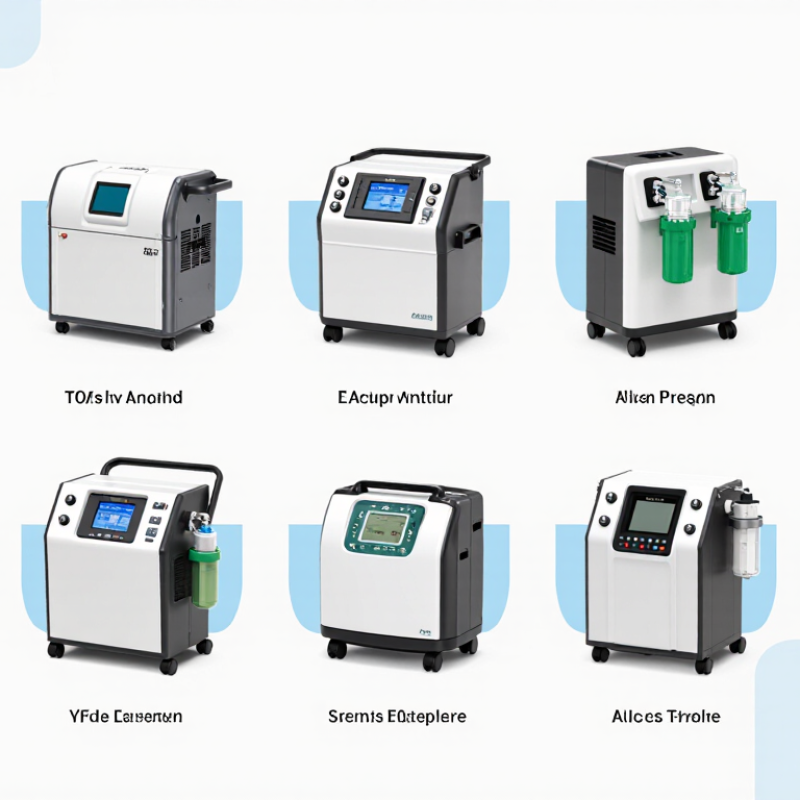
Automatic oxygen machines are available in several practical forms for global buyers. The ten common types include stationary concentrators, portable concentrators, continuous-flow units, pulse-dose units, dual-mode units, PSA concentrators, molecular-sieve systems, battery-powered models, humidifier-integrated machines, and oxygen-monitoring models. Stationary units suit bedrooms or clinics, while portable systems support travel and outdoor movement. Continuous flow delivers oxygen steadily. Pulse-dose models respond to inhalation, helping reduce battery use.
Tips: Check prescribed flow requirements before comparing prices. Confirm oxygen concentration at the intended flow rate. Review battery duration, alarm functions, noise level, and filter access. A compact machine is not always the most suitable choice. Ask for test reports, user manuals, warranty terms, and service support in your destination country.
Experienced buyers should compare machines by actual operating conditions, not appearance alone. A dual-mode unit may offer flexibility, but its pulse settings can differ between models. PSA systems are widely used for reliable oxygen separation, although altitude and maintenance can influence performance. Oxygen-monitoring models provide useful feedback, yet sensors may require periodic checking. Product categories sometimes overlap, so specifications deserve careful reading. Medical suitability should be confirmed by a qualified healthcare professional. Availability, electrical standards, and local purchasing rules also vary across regions.
| No. | Automatic Oxygen Machine Type | Operating Principle | Typical Oxygen Output | Typical Oxygen Concentration | Automation Features | Common Applications | Main Buying Considerations |
|---|---|---|---|---|---|---|---|
| 1 | Stationary Medical PSA Oxygen Concentrator | Pressure Swing Adsorption (PSA) separates oxygen from atmospheric air using molecular sieve beds. | Approximately 1–10 L/min per unit | Generally 90–96% at rated flow | Automatic sieve-bed switching, oxygen purity alarm, pressure monitoring, and power-failure alarm | Home oxygen therapy, clinics, long-term care facilities | Noise level, continuous-duty rating, flow stability, maintenance interval, and local medical approvals |
| 2 | Portable Continuous-Flow Oxygen Concentrator | Compact PSA system continuously delivers oxygen through a nasal cannula or mask. | Approximately 0.5–3 L/min continuous flow | Usually about 87–95%, depending on flow rate | Automatic flow control, battery-status display, purity monitoring, and fault alerts | Travel, home use, outpatient care, and mobility outside the home | Battery endurance, aircraft or transport approval, weight, recharge time, and continuous-flow performance |
| 3 | Portable Pulse-Dose Oxygen Concentrator | A sensor detects inhalation and releases a measured oxygen bolus at the start of a breath. | Typically 1–6 pulse-dose settings; settings are not equivalent to L/min | Usually about 90–95% under specified conditions | Breath detection, automatic bolus delivery, low-battery alarm, and oxygen-purity warning | Ambulatory users who need oxygen during daytime activities or travel | Trigger sensitivity, suitability during sleep, battery life, bolus volume, and user comfort |
| 4 | Dual-Flow or Multi-Patient Oxygen Concentrator | A higher-capacity PSA system supplies oxygen through two or more independent outlets. | Approximately 5–10 L/min total, depending on configuration | Generally 90–96% at rated combined flow | Independent outlet control, automatic cycling, pressure protection, and alarm systems | Shared use in care facilities, wards, and multi-user home-care environments | Total flow capacity, outlet independence, electrical load, noise, and backup oxygen planning |
| 5 | Home Oxygen Filling System | A concentrator produces oxygen and a compressor fills compatible small cylinders or portable reservoirs. | Concentrator output commonly 3–10 L/min; filling time varies by cylinder size | Typically about 90–95% oxygen | Automatic fill shut-off, pressure control, cylinder connection monitoring, and status indicators | Home users needing portable oxygen cylinders without frequent cylinder deliveries | Cylinder compatibility, filling speed, compressor noise, service support, and safety certification |
| 6 | Hospital PSA Oxygen Generator | Multiple PSA adsorption towers produce oxygen on-site and feed a storage tank or pipeline system. | Approximately 20–1,000 Nm³/h, depending on plant size | Commonly 93% ± 3%, subject to the applicable medical-gas specification | PLC control, automatic tower sequencing, purity analysis, pressure regulation, and remote alarms | Hospitals, emergency departments, surgical centers, and medical-gas networks | Peak demand, redundancy, medical-gas standards, feed-air quality, storage capacity, and backup supply |
| 7 | PSA Oxygen Generator with Cylinder Filling Station | A PSA generator supplies oxygen to a booster compressor for filling high-pressure cylinders. | Approximately 10–500 Nm³/h generator capacity | Usually about 90–95%; final quality depends on the filling system and specification | Automatic compressor sequencing, pressure cut-off, purity interlock, leak monitoring, and batch records | Medical-gas cylinder filling, disaster-response reserves, and regional oxygen supply centers | Cylinder standards, filling pressure, compressor cooling, ventilation, power reliability, and regulatory compliance |
| 8 | Industrial PSA Oxygen Generator | PSA adsorption produces oxygen-rich gas for industrial processes rather than direct medical delivery. | Approximately 5–2,000 Nm³/h | Commonly 90–95%; higher purity may reduce flow or increase energy use | Automatic load adjustment, oxygen analyzer, pressure control, remote monitoring, and alarm shutdown | Metal cutting, glass production, wastewater treatment, aquaculture, furnaces, and ozone generation | Required purity, peak and average flow, operating pressure, energy consumption, and maintenance access |
| 9 | VPSA Oxygen Generation System | Vacuum Pressure Swing Adsorption uses reduced pressure during regeneration and is designed for larger continuous flows. | Approximately 100–10,000 Nm³/h | Commonly 90–95% | Automatic vacuum-pump control, valve sequencing, purity feedback, flow regulation, and remote diagnostics | Large wastewater plants, steelmaking, glass manufacturing, pulp and paper, and centralized oxygen supply | Available space, power demand, vacuum-pump maintenance, flow turndown, and oxygen storage requirements |
| 10 | Automatic Cryogenic Oxygen Production Plant | Air is purified, compressed, cooled to cryogenic temperatures, and separated by distillation into oxygen and other gases. | Designed for large-scale production, commonly from tens to several thousand tonnes per day | Typically 99.5% or higher for liquid or gaseous oxygen products | Distributed control system, automatic distillation control, purity analysis, pressure management, and emergency shutdown | Large industrial gas facilities, steel plants, chemical production, and bulk oxygen distribution | Very high capital cost, installation time, cooling-water needs, operator expertise, and long-term demand |
Automatic oxygen machines differ mainly in oxygen output, control method, and physical design. Stationary continuous-flow concentrators usually deliver about 1–10 liters per minute for home use. Portable continuous-flow models provide steadier output but often weigh more. Pulse-dose concentrators release oxygen only when inhalation is detected, which saves battery power. High-flow units support greater demand, while dual-flow machines serve two users through separate outlets. Home-fill systems can refill compatible storage cylinders, but they need careful installation and ventilation.
Industrial PSA oxygen generators use molecular sieves and commonly deliver higher volumes than household concentrators. VPSA systems use vacuum assistance and suit larger facilities.
Membrane oxygen generators have fewer moving parts, though their oxygen concentration may be lower. Emergency battery-supported units focus on short-term mobility, not extended operation.
Some compact hybrid models combine pulse and continuous modes.
Small differences matter.
Design affects daily reliability. A wheeled machine may suit a bedroom, while a compact battery unit fits travel. Noise, filter access, alarm visibility, outlet layout, and battery replacement deserve practical inspection.
Output should be checked at the required flow, not only under ideal laboratory conditions. Oxygen purity can fall as flow rises, depending on the design.
Buyers should review independent test records, maintenance intervals, electrical compatibility, and local medical-device requirements. A low purchase price may hide costly filters or weak service support.
My ranking remains imperfect because patient needs, climate, and facility infrastructure vary widely.
Automatic oxygen machines differ in flow control, oxygen concentration, portability, and power requirements. Global buyers should inspect more than the product photos. Check the oxygen output at the lowest and highest prescribed settings. Confirm whether performance changes at high altitude or in hot, humid rooms. Ask for independent test reports, calibration records, and clear operating instructions. A trustworthy supplier should explain these limits without vague promises.
Tips: Match the machine to the user’s prescription, not the advertised maximum flow. Check alarm functions, outlet temperature, noise level, filter access, and battery performance. Review the warranty, spare-part availability, technician training, and service response time in your region. Confirm that the device meets applicable medical-device requirements and electrical standards. Local clinical advice still matters.
A practical test can reveal small problems. Run the machine for several hours, then check heat, vibration, alarm visibility, and cable quality. Measure power use if electricity is unreliable.
A common mistake is choosing the lightest unit without checking battery replacement costs. I have also seen buyers overlook maintenance schedules. No checklist is perfect. Leave room for user comfort, caregiver skill, and realistic daily conditions. A machine that looks efficient on paper may become difficult beside a bed, inside a vehicle, or during a power interruption.
Automatic oxygen machines are used in homes, clinics, and recovery rooms. They usually draw room air, remove nitrogen, and deliver concentrated oxygen through nasal tubing or a mask. Some models provide continuous flow. Others respond to breathing and release pulse doses. The correct setting depends on a clinician’s prescription, not personal comfort. Alarms may indicate low purity, blocked tubing, overheating, or power failure. Keep the machine upright on a hard surface. Never cover its air vents. Oxygen supports combustion, so keep flames, smoking materials, and oily products away from the equipment.
Tips: Check the inlet filter regularly, especially in dusty rooms. Clean reusable parts according to the instructions. Replace cracked tubing immediately. Record operating hours and alarm events. A clean filter does not guarantee accurate oxygen concentration. Professional servicing and calibration still matter. I have found that users often ignore unusual noise until performance changes, which is a preventable mistake.
Regulation differs between countries and product categories. Global buyers should verify the device’s medical classification, safety testing, labeling, and import documents before purchase. Local authorities may require registration, language-specific instructions, electrical certification, or approved servicing arrangements. Suppliers should provide traceable manuals and maintenance records. Healthcare professionals should confirm compatibility with the patient’s prescription and other equipment. Rules can change, and a certificate from one market may not satisfy another. Check current requirements with the destination country’s competent authority.