Top Tips for Choosing a Cryogenic Air Separation Unit?
Choosing the right Cryogenic Air Separation Unit (CASU) is vital for various industries. This decision affects efficiency, cost, and overall productivity. CASUs are essential for producing gases like nitrogen and oxygen. However, many overlook critical factors in their selection process.
One must consider capacity and purity levels. Each application requires specific gas qualities. Materiel types and design also play significant roles. For instance, are you prioritizing energy efficiency or space constraints?
Moreover, it's crucial to evaluate the supplier's reputation. Not all manufacturers offer reliable service or support. Mistakes in your decision could lead to setbacks. Proper research and clear understanding can prevent these issues. Reflecting on past experiences helps in making better choices. Selecting a Cryogenic Air Separation Unit requires careful consideration and informed decision-making.
Understanding Cryogenic Air Separation Technology
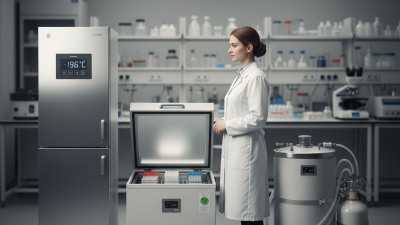
Cryogenic air separation technology plays a crucial role in producing pure gases. It uses extremely low temperatures to separate air into its components, primarily oxygen and nitrogen. This process involves cooling air to around -196°C. At this temperature, gases condense into liquids. The separation occurs through distillation, where different gases have distinct boiling points.
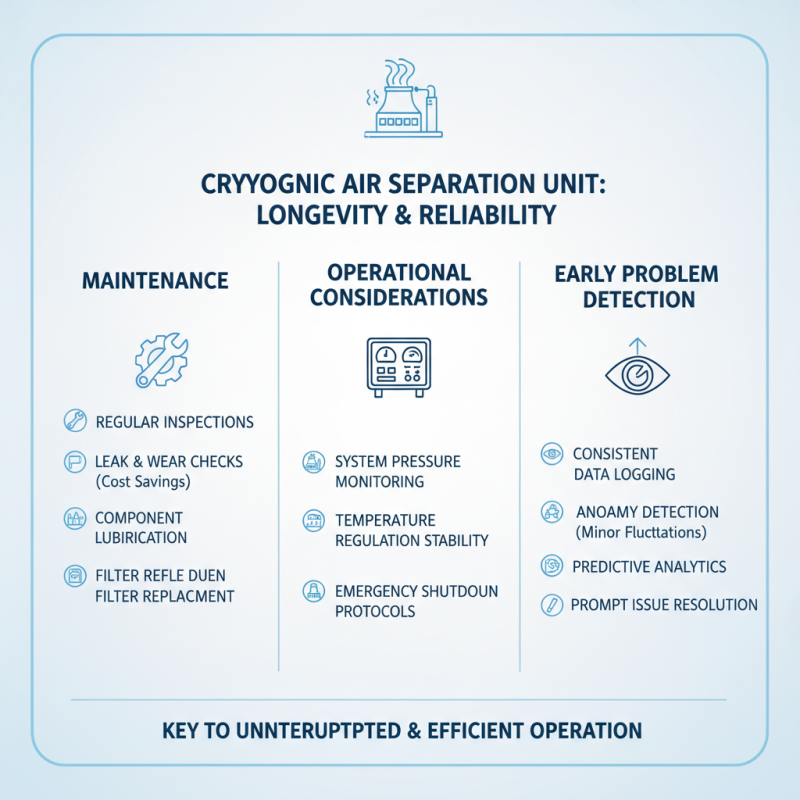
Understanding how this technology works can help in choosing the right unit. It’s important to recognize that efficiency varies significantly. Factors like the desired purity and production rate matter. A cryogenic unit must meet specific operational needs. Don't overlook the significance of maintenance and operational costs. Without proper upkeep, efficiency can drop.
When considering a unit, reflect on the layout and space requirements. Some setups may need more room than anticipated. Communication with industry experts may reveal insights you haven’t thought of. Remember, every choice you make can have long-term effects. The implications of your selection will unfold over time, impacting productivity and costs. Think carefully about these aspects before committing.
Top Tips for Choosing a Cryogenic Air Separation Unit
This chart compares essential parameters for selecting a cryogenic air separation unit, including Efficiency, Cost, Capacity, and Footprint. Understanding these metrics helps in making informed decisions for industrial applications.
Key Factors in Sizing a Cryogenic Air Separation Unit
When selecting a cryogenic air separation unit (ASU), the sizing is crucial. A well-sized unit optimizes efficiency and minimizes operational costs. According to industry reports, the right capacity should meet the demand without excessive overload.
Oversizing a unit can lead to unnecessary energy consumption. It’s a balancing act between capacity and actual needs.
Consider factors such as feed air composition and desired product purity. These elements influence the overall design. For instance, a report by the International Energy Agency highlights that a unit processing higher nitrogen levels might require specific adaptations. Designers often overlook these specifics, leading to underperformance.
Moreover, energy efficiency should not be ignored. Studies indicate that optimizing heat exchangers can yield significant savings. Units that do not focus on this aspect may face higher operational costs over time. Industry trends show that dissatisfied users often report inefficiencies in poorly sized or designed units.
Careful attention to sizing can mitigate these risks and lead to more sustainable operations.
Evaluating Energy Efficiency of Cryogenic Systems
When evaluating cryogenic systems, energy efficiency becomes a crucial factor. According to recent industry reports, cryogenic air separation units can achieve energy savings of up to 20% compared to conventional methods. This efficiency is primarily due to advanced heat exchange technologies. Efficient heat recovery within these units reduces operational costs significantly.
However, not all cryogenic systems are created equal. Some units can suffer from inefficiencies due to suboptimal configurations. Inconsistent operating conditions can also lead to energy losses. For instance, improper insulation might increase energy waste. It's vital to analyze these aspects during the selection process.
Consider system capacity closely. Reports indicate that over-sizing equipment can lead to significant inefficiencies. A perfectly sized system operates smoothly within its designed parameters. This aspect often gets overlooked. Regular maintenance also plays a role in sustaining efficiency, but it’s frequently neglected. Engaging with comprehensive efficiency audits can highlight hidden issues and potential improvements.
Top Tips for Choosing a Cryogenic Air Separation Unit - Evaluating Energy Efficiency of Cryogenic Systems
| Criteria |
Description |
Energy Efficiency Rating |
Recommended Applications |
| System Design |
Evaluate gas flow rates and purity levels required. |
A++ |
Cryogenic storage and transportation. |
| Energy Consumption |
Analyze the power consumption per unit of output. |
A+ |
Large scale industrial applications. |
| Maintenance Requirements |
Assess ease of maintenance and service intervals. |
B+ |
Mining and metal processing. |
| Environmental Impact |
Check for compliance with local emissions regulations. |
A |
Chemical production. |
Selecting the Right Equipment and Components for Your Unit
When selecting a cryogenic air separation unit, focus on the equipment and components that best meet your needs. The efficiency of the unit largely depends on the design of the heat exchanger and the quality of the distillation column. According to industry reports, optimal heat exchangers can improve energy efficiency by up to 30%. This contributes significantly to operational cost savings over time.
**Tip:** Look for units that offer modular designs. They allow for flexibility and easier upgrades. Customizable layouts can adapt to changing production demands without excessive costs. Ensure that the components you choose are compatible with future technologies.
Pay attention to the purity levels required for your applications. Different industries demand varying levels of nitrogen, oxygen, or argon purity. A report from the Gas and Welding Industry Association notes that even a minor purity variance can lead to significant product failure in sensitive sectors.
**Tip:** Collaborate with experienced engineers during the selection process. Their expertise can guide critical decisions on component selection. Consider the long-term reliability of the equipment and potential maintenance challenges. Investing in durable materials may lead to lower lifetime costs.