Top Tips for Choosing an Air Separation Unit Provider?
Choosing the right Air Separation Unit Provider is crucial for businesses reliant on industrial gases. With many options in the market, it can be overwhelming to navigate. Your needs can range from efficiency to reliability, making the selection process daunting.
A good provider can ensure your operations run smoothly. Some businesses focus too much on price and overlook quality. It's essential to find a balance. Look for providers with proven experience in your industry. Recommendations or case studies can help guide your choice.
Visit their facilities if possible. Seeing the technology in action can provide valuable insights. It’s also wise to evaluate their support services. An ideal Air Separation Unit Provider should offer prompt assistance and maintenance. Every decision matters in this competitive landscape. Choose wisely to support your operational goals.
Factors to Consider When Selecting an Air Separation Unit Provider
Choosing an air separation unit (ASU) provider is a critical decision. It can significantly affect operational efficiency. Start by assessing your needs. Is the focus on small-scale or large-scale production? Understanding your specific requirements helps narrow down options.
Consider the provider's experience in the industry. An experienced partner often brings valuable insights. Look at their track record. Have they successfully delivered similar projects? Client testimonials can reveal much, but be cautious about relying solely on them. Sometimes, past projects do not reflect recent capabilities.
Another factor is technical support. Reliable after-sales support is crucial. Equipment may require maintenance or emergency intervention. Providers should demonstrate responsiveness to service requests. Also, evaluate the technology they use. Newer technologies can offer enhanced efficiency. However, ensure that they have a solid background in using these systems. Observing these details can help clarify choices.
Top Tips for Choosing an Air Separation Unit Provider
| Factor |
Description |
Importance Level |
Considerations |
| Experience |
Years in industry and number of projects completed |
High |
Check client testimonials and previous installations |
| Technology |
Type and efficiency of separation technology offered |
High |
Evaluate the sustainability and energy consumption |
| Support Services |
Availability of maintenance and technical support |
Medium |
Inquire about response times and service contracts |
| Customization |
Ability to tailor solutions to specific needs |
Medium |
Discuss previous custom projects with the provider |
| Cost |
Overall pricing and financing options |
High |
Obtain detailed quotes and assess value for money |
Evaluating the Experience and Reputation of Providers
When evaluating the experience and reputation of air separation unit providers, look closely at their history. An established provider often means reliability. Check how long they have been in the industry. A decade of service can indicate trustworthiness. Seek client testimonials to discern their standing. Clients can often share candid feedback.
Another crucial tip is to research their technical expertise. Does the provider offer innovative solutions? Cutting-edge technology may lead to better efficiency. Look for case studies that highlight their previous successes. However, not all providers thrive in every area. Some may excel in design but lag in customer service. Be sure to weigh their strengths and weaknesses carefully.
Don’t forget to assess their response to challenges. How have they handled industry changes or client-specific issues? A flexible, adaptable provider often signifies a deep understanding of the market. Such qualities can set them apart from competitors. Always aim to engage directly with potential providers. It's a primary way to judge responsiveness and professionalism.
Top Tips for Choosing an Air Separation Unit Provider
Understanding the Technology and Equipment Offered
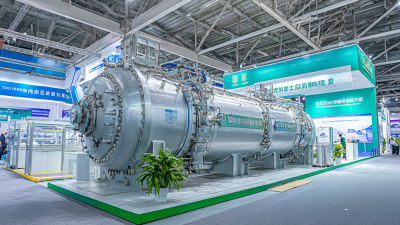
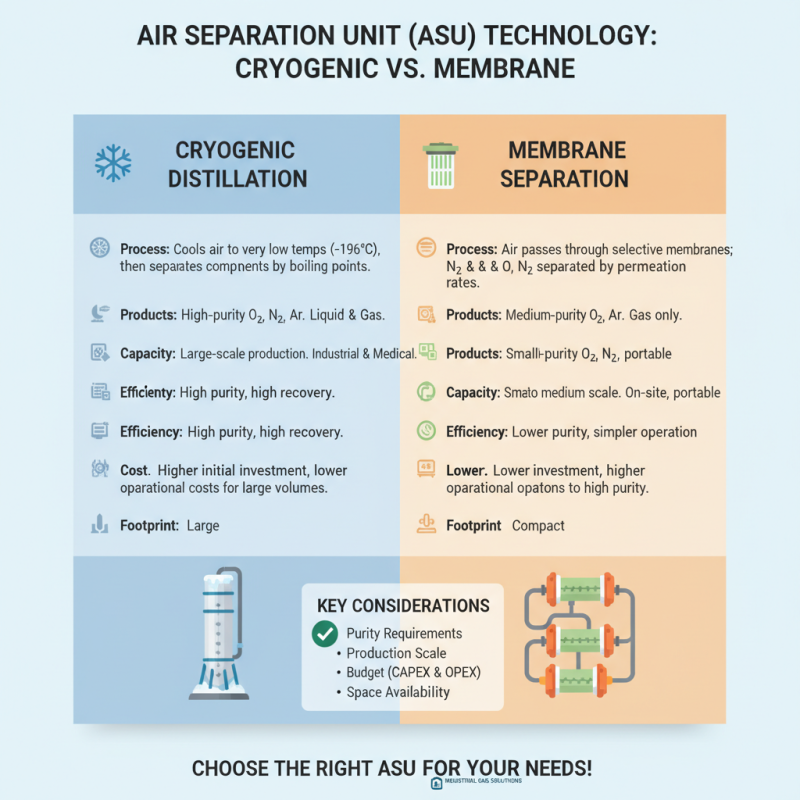
When selecting an air separation unit (ASU) provider, understanding the technology and equipment offered is crucial. Air separation units serve to extract oxygen, nitrogen, and argon from the atmosphere. Different techniques are employed, like cryogenic distillation and membrane separation. Each method has its benefits and limitations. Evaluating these options can help guide decisions.
Consider the types of equipment the provider offers. Does the supplier offer state-of-the-art machinery? Do they use energy-efficient technologies? These factors can influence operational costs. Additionally, service and maintenance are important. Does the provider offer a robust support system? Timely maintenance can prevent costly downtimes.
Pricing should not be the sole determinant. An attractive price point may mask lower quality equipment. Ask for specifics on durability and long-term performance. Also, investigate past projects of the supplier. Learning from previous clients can expose potential risks. Scrutinize reviews and consider any recurring issues reported. This reflection on technology and support can inform a more educated choice.
Comparing Costs and Long-Term Maintenance Requirements
When selecting an air separation unit (ASU) provider,
cost comparisons and long-term maintenance must be at the forefront of considerations.
According to a recent industry report by Freedonia Group, the average initial investment for an ASU can fluctuate significantly.
A typical small to medium-sized unit might cost between $1 million to $5 million.
However, these upfront costs can sometimes overshadow the long-term expenses associated with maintenance.
Routine maintenance often represents a much larger portion of total costs over the unit's lifespan.
Sources indicate that maintenance costs can reach up to
10-15% of the purchase price annually.
This can become a substantial investment over time. Let's not ignore that some firms
underestimate these figures. Such oversight can lead to financial strain.
Operational efficiency is also a crucial factor. According to a study from the International Journal of Refrigeration,
poorly maintained units can lead to a 20-30% increase in energy consumption.
Choosing a provider that prioritizes not just installation but also ongoing support and efficiency upgrades can minimize these hidden costs.
An ASU provider’s commitment to regular audits and prompt repairs is essential. It ensures the unit operates optimally while reducing overall expenditures.
Assessing Customer Support and Service Agreements
When selecting an air separation unit (ASU) provider, assessing customer support is crucial. The level of assistance can significantly impact your operations.
Check for 24/7 availability. This ensures you can get help whenever issues arise.
Evaluate their response time. A quick response can minimize downtimes.
It’s also wise to scrutinize service agreements. Ensure the terms are clear and beneficial. Look for details on maintenance schedules.
Regular maintenance is vital for efficiency. Consider the flexibility of these agreements.
Rigidity can lead to problems down the line. You might find that some providers offer varied plans. This is worth exploring.
Finally, don’t overlook customer reviews. Past clients can provide insights into support quality. Some may share experiences of delays or unhelpful responses.
These reflections can guide your choice. Remember, the right support can make all the difference in your operations.
A well-chosen provider fosters a productive partnership.