How to Optimize Cryogenic Gas Storage for Efficiency and Safety
In recent years, the demand for efficient and safe methods of energy storage has surged, particularly in relation to the ever-expanding applications of cryogenic gas storage. This innovative technology, utilizing low temperatures to maintain gases in a liquid state, offers remarkable advantages in terms of energy density and storage capacity. However, the optimization of cryogenic gas storage systems is paramount to ensure operational efficiency and utmost safety.
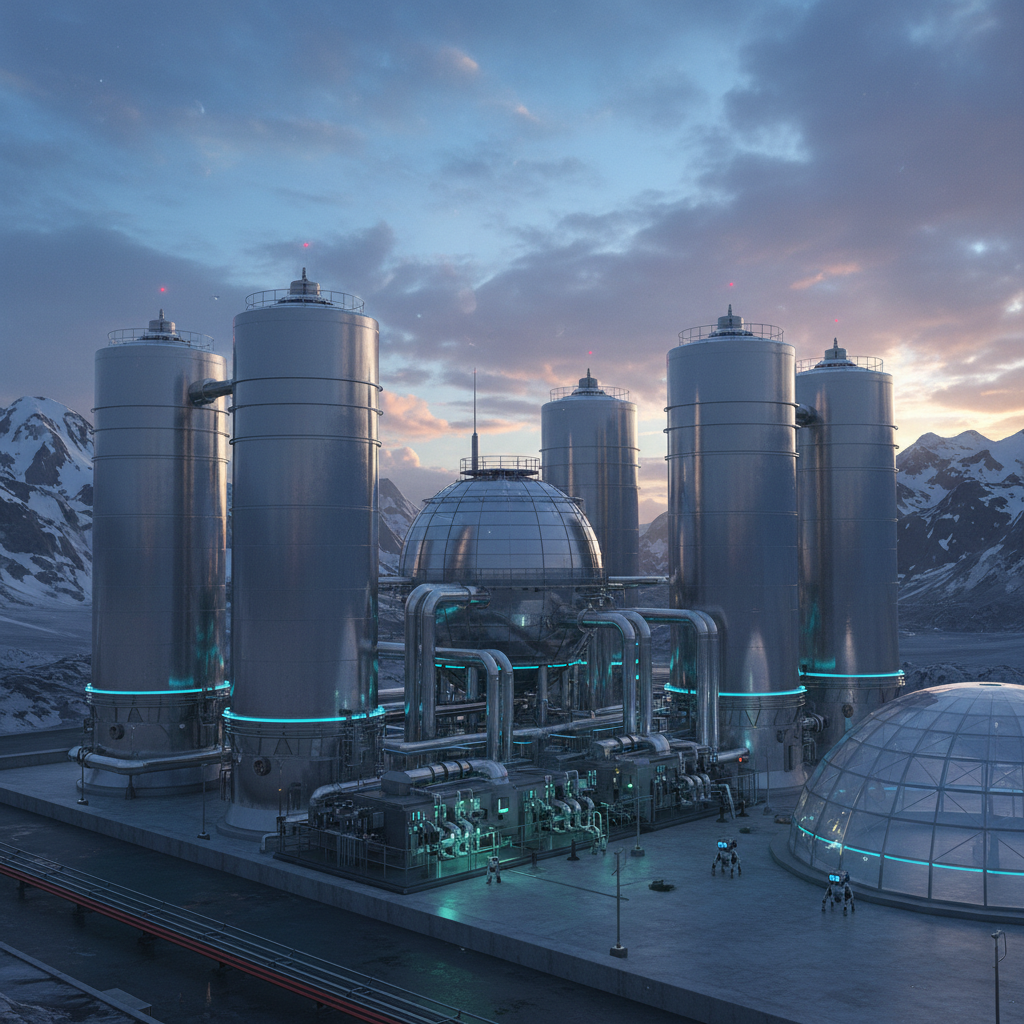
In this article, we will explore the best practices and advanced methodologies for optimizing cryogenic gas storage solutions. By examining the critical factors such as insulation techniques, material selection, and pressure management, we aim to highlight the steps necessary to enhance system performance while minimizing risks associated with cryogenic operations. As industries increasingly turn to cryogenic storage for various applications, understanding these optimization strategies will be essential for achieving sustainability and resilience in energy systems, paving the way for a safer future in gas storage technology.
Maximizing Storage Space with Advanced Cryogenic Tank Designs
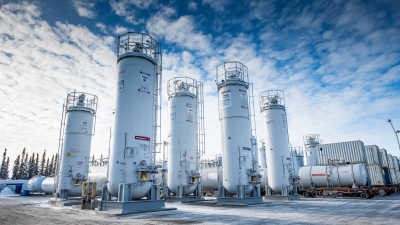
In the realm of cryogenic gas storage, advanced tank designs play a pivotal role in maximizing storage space while ensuring operational efficiency and safety. Modern cryogenic tanks are engineered with high-strength materials that can withstand extreme temperatures without compromising structural integrity. These innovative designs often utilize a double-walled construction, where the insulation between the walls significantly reduces heat transfer, thus minimizing the consumption of liquid nitrogen or liquid natural gas during storage.
Furthermore, the incorporation of modular designs offers the flexibility to scale storage capacity according to the specific needs of the operation. These modular tanks can be easily interconnected, allowing for the expansion of the storage system without the need for extensive infrastructure modifications. Additional features, such as built-in monitoring systems and automated pressure control mechanisms, enhance the safety protocols, ensuring that potential hazards are mitigated effectively. By leveraging cutting-edge engineering techniques, cryogenic gas storage can achieve optimal efficiency and safety, ultimately benefiting industries reliant on these technologies.
| Dimension |
Value |
Units |
Importance |
| Storage Volume |
50,000 |
Liters |
High |
| Operating Temperature |
-196 |
°C |
Critical |
| Insulation Type |
Vacuum |
- |
High |
| Safety Features |
Pressure Relief Valves |
- |
Critical |
| Maintenance Interval |
6 |
Months |
Moderate |
| Maximum Pressure |
5 |
Bar |
High |
Implementing Temperature Control Systems for Optimal Gas Stability

Implementing effective temperature control systems is crucial for optimizing cryogenic gas storage, as these systems ensure the stability of gases under extreme conditions. Cryogenic temperatures can range from -150°C to -273°C, making precise temperature regulation essential to prevent phase changes that could compromise the integrity of the stored gas. Advanced technologies such as automated cooling units and cryostats can monitor and adjust temperatures in real-time, ensuring that fluctuations are minimized and gas properties remain stable.
Moreover, integrating temperature control with safety protocols is vital. Many cryogenic gases are flammable or toxic, making the management of their storage environment critical. Alarm systems that trigger when temperatures deviate from designated thresholds can prevent dangerous circumstances. Additionally, employing insulation materials and methods can further stabilize temperatures, reducing energy consumption and safeguarding both the stored gases and personnel working in proximity to the storage units. By prioritizing temperature control, facilities can enhance both the efficiency and safety of their cryogenic gas storage operations.
Integrating Safety Protocols to Prevent Cryogenic Hazards
The integration of safety protocols in cryogenic gas storage is paramount to preventing hazards associated with these extreme conditions. As industries increasingly prioritize workplace safety, drawing lessons from successful implementations in other sectors can yield significant benefits. For example, advancements in digital technology, such as digital twin systems, enhance monitoring and management processes, ensuring that safety measures are consistently applied and updated according to real-time data. This not only fortifies operational safety but also cultivates a proactive safety culture within organizations.
Moreover, collaboration among industry stakeholders is crucial in establishing comprehensive safety protocols specific to cryogenic environments. By sharing best practices and innovations, companies can develop a robust framework that addresses unique risks and enhances overall safety. As seen in various sectors, such as mining and construction, a collective commitment to safety fosters a sustainable ecosystem where risks are effectively mitigated. This collaborative approach is essential for optimizing cryogenic gas storage, ensuring that safety remains at the forefront while maximizing efficiency and reliability.
Utilizing Digital Monitoring for Real-Time Storage Efficiency
The efficiency and safety of cryogenic gas storage can significantly benefit from the integration of digital monitoring technologies. By harnessing real-time data analytics, operators can closely monitor storage conditions, ensuring that pressures and temperatures remain within optimal ranges. Research indicates that the adoption of digital twin technologies, which create dynamic simulations of physical systems, can lead to improved decision-making and risk management in cryogenic environments. These models allow for continuous adjustments based on real-time inputs, reducing the potential for operational mishaps and enhancing safety protocols.
Recent advancements in edge computing are also revolutionizing the way industrial data is processed. Real-time data gains from these technologies enable operators to act swiftly on any anomalies that arise in gas storage conditions. For instance, a report highlights that utilizing real-time monitoring systems can enhance overall energy efficiency by up to 20%. As organizations move towards Industry 4.0, integrating such digital solutions into cryogenic gas storage will not only optimize operations but also minimize environmental impacts, reinforcing a commitment to sustainable practices in the energy sector.
Optimization of Cryogenic Gas Storage Efficiency
This chart illustrates the efficiency levels of cryogenic gas storage over a period of time, highlighting the impact of digital monitoring on real-time efficiency adjustments.
Regular Maintenance and Inspection Practices for Enhanced Safety
Regular maintenance and inspection are critical to ensuring the safety and efficiency of cryogenic gas storage systems. According to the National Fire Protection Association (NFPA), more than 70% of storage accidents are attributed to improper maintenance and inspection practices. For instance, periodic checks of insulation integrity and valve functionality are essential to prevent leaks, which can lead to explosive conditions. It is recommended that facilities implement a routine inspection schedule that adheres to the guidelines provided by the American Society of Mechanical Engineers (ASME), focusing on both visual inspections and advanced diagnostic techniques.
In addition to regular inspections, ongoing training for personnel handling cryogenic material is paramount. The Occupational Safety and Health Administration (OSHA) has reported that a significant proportion of workplace accidents involve employees' lack of knowledge regarding material properties and emergency procedures. Facilities should conduct quarterly safety training sessions that not only cover equipment handling but also familiarize employees with emergency response protocols. This proactive approach can significantly reduce the risk of accidents and enhance the overall safety of cryogenic gas storage facilities, ensuring compliance with industry standards and safeguarding human life and assets.