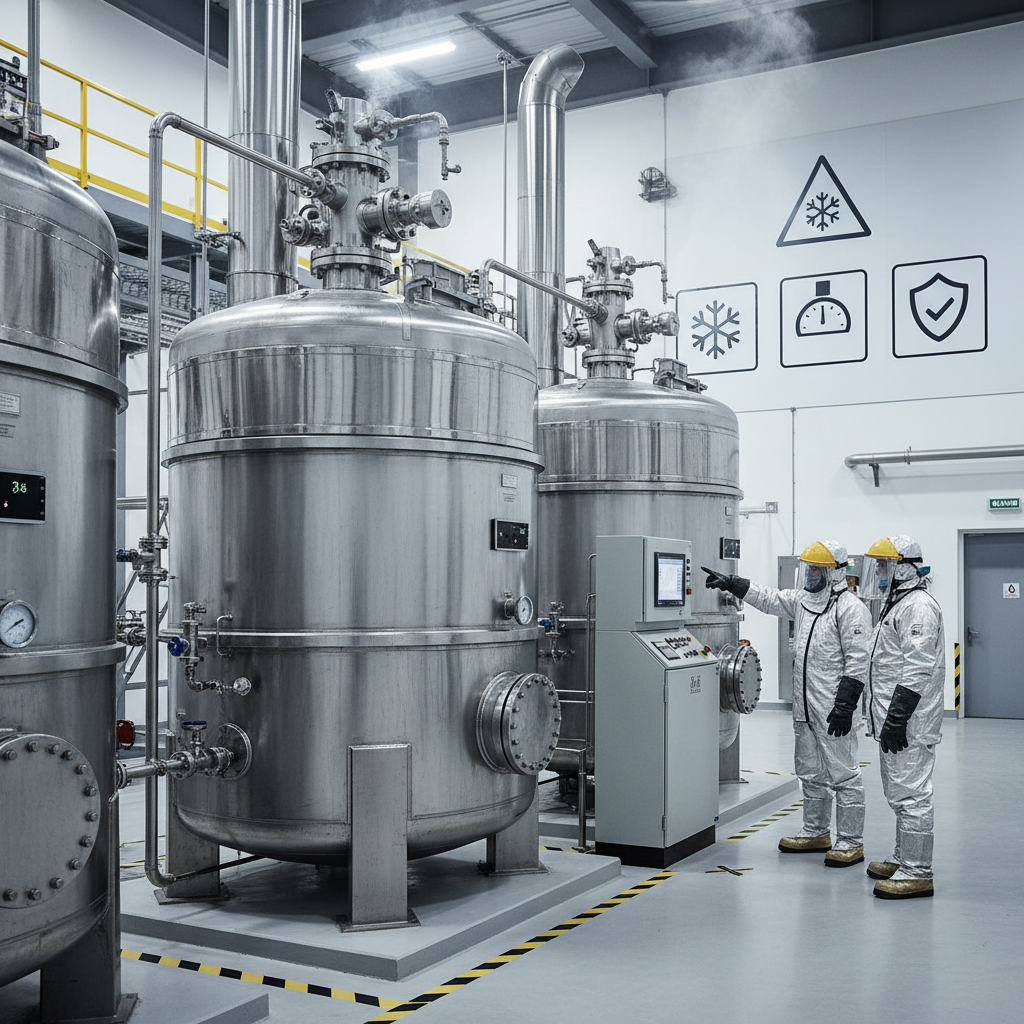
Why You Need a Cryogenic Liquid Tank for Safe and Efficient Storage
In the realm of advanced material storage and transportation, the significance of a Cryogenic Liquid Tank cannot be overstated. Dr. Emily Harrington, a leading expert in cryogenic technology, emphasizes, "The integrity and efficiency of storing liquefied gases rely heavily on the design and capacity of cryogenic liquid tanks." This statement encapsulates the critical role these tanks play in ensuring that various cryogenic substances, such as liquid nitrogen and liquefied natural gas, are kept at optimal temperatures for safe usage.
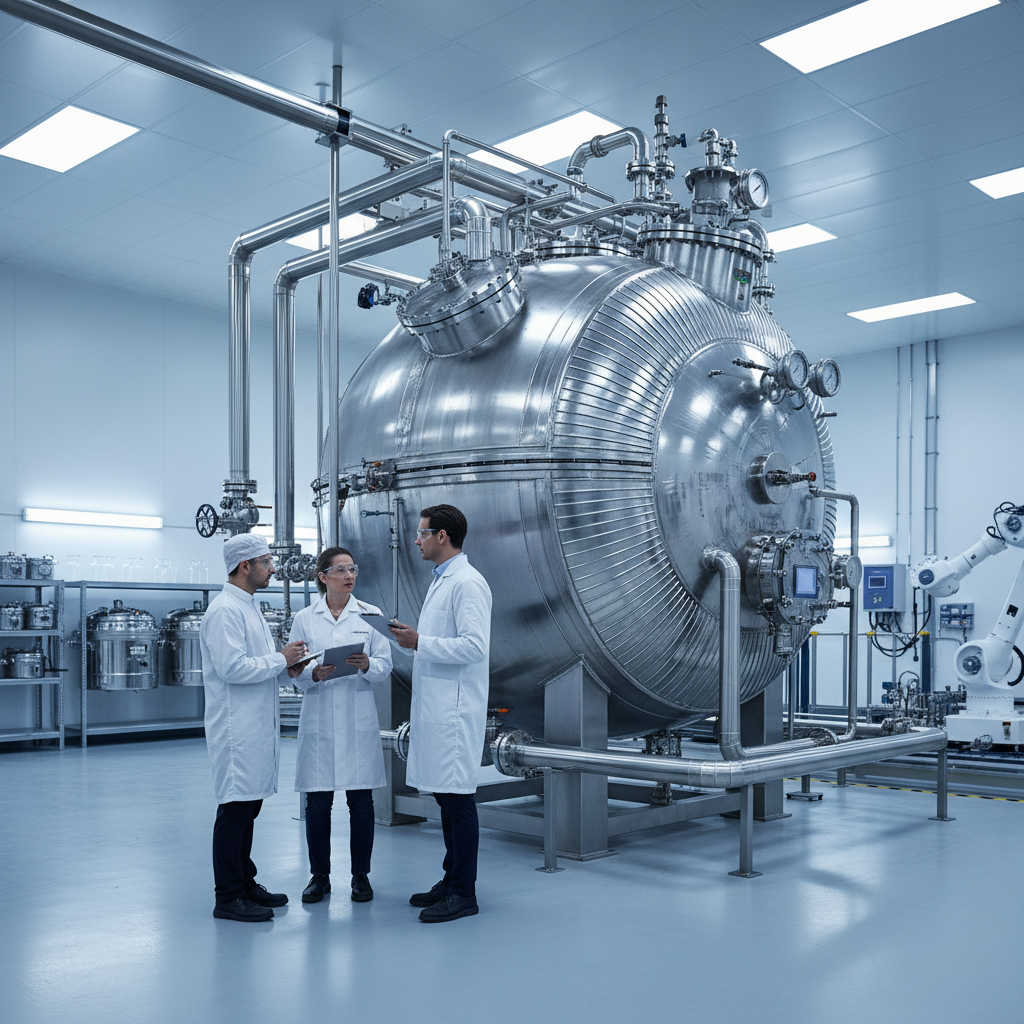
The necessity for safe and efficient storage solutions is driven by the increasing demand for cryogenic materials across multiple industries, including healthcare, aerospace, and energy. Cryogenic Liquid Tanks not only provide the means for proper storage but also contribute to minimizing risks associated with the handling of these volatile substances. With advancements in technology, modern cryogenic tanks are engineered to offer enhanced insulation, durability, and safety features, thereby addressing the challenges of thermal management and pressure control.
As industries continue to innovate and expand their reliance on cryogenic liquids, understanding the importance of these tanks becomes paramount. Harnessing the benefits of a Cryogenic Liquid Tank is vital for any organization seeking to ensure operational efficiency while prioritizing safety in the management of cryogenic fluids. In this article, we will explore the essential features and advantages of Cryogenic Liquid Tanks, providing insights into why they are a critical component of modern storage solutions.
The Importance of Cryogenic Liquid Tanks in Industrial Gas Applications
Cryogenic liquid tanks are essential components in industrial gas applications, providing a reliable solution for the storage of liquefied gases at extremely low temperatures. These tanks are designed to maintain the integrity of cryogenic liquids, such as liquefied natural gas (LNG), liquid oxygen, and nitrogen, ensuring their safe handling and long-term storage. With the unique properties of cryogenic liquids, particularly low temperatures that can cause extreme expansion and contraction, specialized tank systems help mitigate risks associated with pressure build-up and leakage.
**Tips for Safe Cryogenic Storage:** When working with cryogenic liquid tanks, it’s crucial to implement proper safety protocols. Always conduct regular inspections for any signs of wear or potential failure, and ensure that your storage area is well-ventilated to prevent the accumulation of gases that may escape. Additionally, training staff on emergency response procedures related to cryogenic spills can significantly reduce the risk of accidents.
In industrial gas applications, the efficiency of operations can be significantly enhanced by utilizing well-designed cryogenic storage solutions. These tanks not only ensure safety but also optimize the logistical aspects of gas delivery and usage, which is key for industries relying on consistent and timely supply. Proper insulation and thermal management techniques within these tanks can further enhance efficiency, minimizing evaporation losses and increasing the overall productivity of operations.
Importance of Cryogenic Liquid Tanks in Industrial Gas Applications
This chart illustrates the importance of cryogenic liquid tanks in industrial gas applications, rated from 1 to 10 based on key factors such as safety, efficiency, capacity, cost-effectiveness, and maintenance.
Key Benefits of Utilizing Cryogenic Storage Systems for Energy Efficiency
Cryogenic storage systems play a crucial role in enhancing energy efficiency across various industries. By maintaining materials at extremely low temperatures, these tanks minimize the energy required for processes such as liquefaction and transport, ultimately reducing operational costs. Since cryogenic liquids occupy significantly less volume compared to their gaseous counterparts, businesses can optimize storage space and logistics, leading to more effective resource management.
Moreover, utilizing cryogenic tanks contributes to environmental sustainability. With the ability to store energy more efficiently, companies can leverage renewable energy sources like liquefied natural gas (LNG) and hydrogen. This transition not only lowers greenhouse gas emissions but also aligns with global initiatives aimed at promoting cleaner energy technologies. Furthermore, as industries increasingly adopt cryogenic solutions, they enhance their resilience against fluctuations in energy demand, ensuring a steady supply of vital resources while maintaining high efficiency.
Safety Measures and Compliance Standards for Cryogenic Liquid Storage
Cryogenic liquids pose unique challenges, primarily due to their extremely low temperatures and unique physical properties. Ensuring safety during storage and handling is paramount. Compliance with industry standards, such as those set by the American Society of Mechanical Engineers (ASME) and the National Fire Protection Association (NFPA), is vital. According to a report by the Industrial Gas Association, adherence to these standards can mitigate the risks associated with cryogenic liquid storage by up to 30%. This necessitates using cryogenic liquid tanks designed to withstand extreme conditions, featuring pressure relief systems and double-wall insulation to prevent leaks and minimize the risk of accidents.
Tip: Regular maintenance and inspections are crucial in maintaining compliance. Schedule routine checks to ensure that safety valves and pressure relief systems are functioning properly.
Furthermore, implementing robust emergency response plans is essential. Training staff on the proper handling of cryogenic liquids and conducting drills can significantly enhance safety measures. A survey by the Cryogenic Society indicates that facilities with comprehensive training programs report 40% fewer incidents related to cryogenic spills. Thus, fostering a culture of safety, backed by strict adherence to compliance standards, not only protects personnel but also enhances the efficiency of cryogenic liquid storage operations.
Tip: Develop a checklist of safety protocols and emergency procedures, and ensure all team members are familiar with it.
Economic Impact of Cryogenic Tanks on Supply Chain and Operations
The economic impact of cryogenic tanks on supply chains and operations cannot be overstated. These tanks enable efficient storage and transportation of liquefied gases, such as oxygen, nitrogen, and natural gas, which are essential for various industries. By reducing evaporation losses and maintaining stable temperatures, cryogenic tanks help companies minimize costs associated with gas wastage and enhance their bottom line. Businesses can also streamline their operations, as the use of cryogenic tanks often leads to quicker delivery times and improved inventory management.
Tip: To maximize the benefits of cryogenic tanks, conduct regular maintenance checks to ensure optimal performance. Well-maintained tanks can significantly extend their lifespan and efficiency, leading to even greater cost savings.
Moreover, investing in cryogenic technology can boost a company's competitive edge. The ability to efficiently store and handle cryogenic liquids allows organizations to meet increasing market demands and leverage new opportunities. As industries strive for sustainability, the shift towards using cryogenic tanks can also align with environmental goals, showcasing a commitment to reducing carbon footprints.
Tip: Consider collaborating with suppliers who specialize in cryogenic technology to stay ahead of the market trends and implement best practices that can improve your operational efficiency.
Why You Need a Cryogenic Liquid Tank for Safe and Efficient Storage - Economic Impact of Cryogenic Tanks on Supply Chain and Operations
| Dimension |
Value |
| Average Capacity of Cryogenic Tanks (liters) |
10,000 |
| Average Temperature Range (°C) |
-196 to -150 |
| Cost Savings on Heating (Annual) |
$250,000 |
| Reduction in Product Spoilage (%) |
30 |
| Increase in Supply Chain Efficiency (%) |
15 |
| Operational Lifespan of Tank (Years) |
20 |
| Safety Compliance Rate (%) |
99.5 |
| Average Installation Cost ($) |
150,000 |
Advancements in Technology for Improved Cryogenic Tank Performance
Recent advancements in technology have significantly enhanced the performance of cryogenic liquid tanks, making them safer and more efficient for storage. Innovative materials and manufacturing processes have led to improved insulation properties, which are vital for minimizing boil-off rates. According to a report by the International Cryogenics Association, modern cryogenic tanks can achieve insulation efficiencies surpassing 95%, thereby reducing liquid loss and ensuring that stored cryogens maintain their effectiveness for longer periods.
Furthermore, the integration of smart monitoring systems allows for real-time tracking of tank conditions, facilitating preventative maintenance and reducing downtime. These systems can detect temperature fluctuations and pressure anomalies, alerting operators to potential issues before they escalate. The National Institute of Standards and Technology highlights that implementing such technology can reduce operational costs by up to 30% over time.
Tips: When selecting a cryogenic liquid tank, consider ones equipped with advanced insulation technology to enhance efficiency. Additionally, look for tanks with integrated monitoring systems for better management and maintenance. Regularly scheduled inspections can also prolong the lifespan of your storage solution.