What is Compressed Gas and How is it Used in Industries?
Compressed gas is a ubiquitous element in various industrial applications. It plays an essential role in operations ranging from manufacturing to healthcare. Businesses rely on compressed gas for efficiency, safety, and versatility. This substance is not just a technical material; it significantly impacts daily operations.
Many industries use compressed gas for pneumatic tools, welding, and even medical equipment. It comes in various forms, such as oxygen, nitrogen, and carbon dioxide. Each type serves a distinct purpose depending on the industry. For instance, medical facilities utilize compressed oxygen to support patient care. In contrast, the food and beverage sector uses carbon dioxide for carbonation processes.
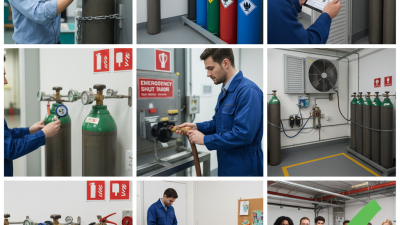
While the benefits are clear, the use of compressed gas demands caution. Proper handling is crucial to prevent accidents. Mismanagement can lead to serious hazards. Understanding these risks and safe practices is vital for all users. Awareness and training are necessary for effective use.
Definition and Characteristics of Compressed Gas
Compressed gas refers to gas that is stored under pressure. It is often used in various industrial applications. The most notable characteristics include its high pressure, potential for expansion, and energy storage capacity. When these gases are released, they can power tools or machinery effectively.
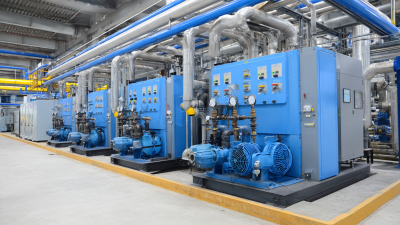
For instance, compressed air is widely used in automotive repairs. It serves to operate impact wrenches and spray guns. Another common use is in refrigeration systems, where gases like ammonia are compressed for cooling purposes. The behavior of compressed gas changes with temperature and pressure. This makes understanding safety protocols crucial.
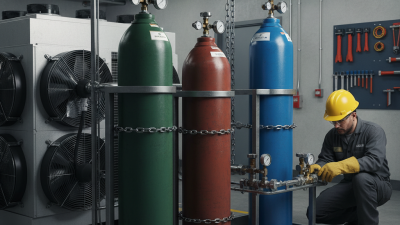
**Tips:** Always check for leaks in gas cylinders. Regular maintenance ensures safety. Additionally, use proper protective equipment when handling compressed gas. A small oversight can lead to significant hazards.
What is Compressed Gas and How is it Used in Industries? - Definition and Characteristics of Compressed Gas
| Gas Type |
Common Uses |
Characteristics |
| Oxygen (O2) |
Medical applications, welding |
Supports combustion, colorless and odorless |
| Nitrogen (N2) |
Food preservation, inert atmosphere for reactions |
Colorless, tasteless, and non-flammable |
| Acetylene (C2H2) |
Welding and cutting metals |
Highly flammable, produces a high temperature flame |
| Carbon Dioxide (CO2) |
Beverage carbonation, fire extinguishers |
Colorless, odorless, heavier than air |
| Helium (He) |
Balloons, cryogenics |
Non-flammable, lighter than air, colorless |
| Argon (Ar) |
Welding, lighting |
Inert gas, colorless and odorless |
Common Types of Compressed Gases Used in Industries
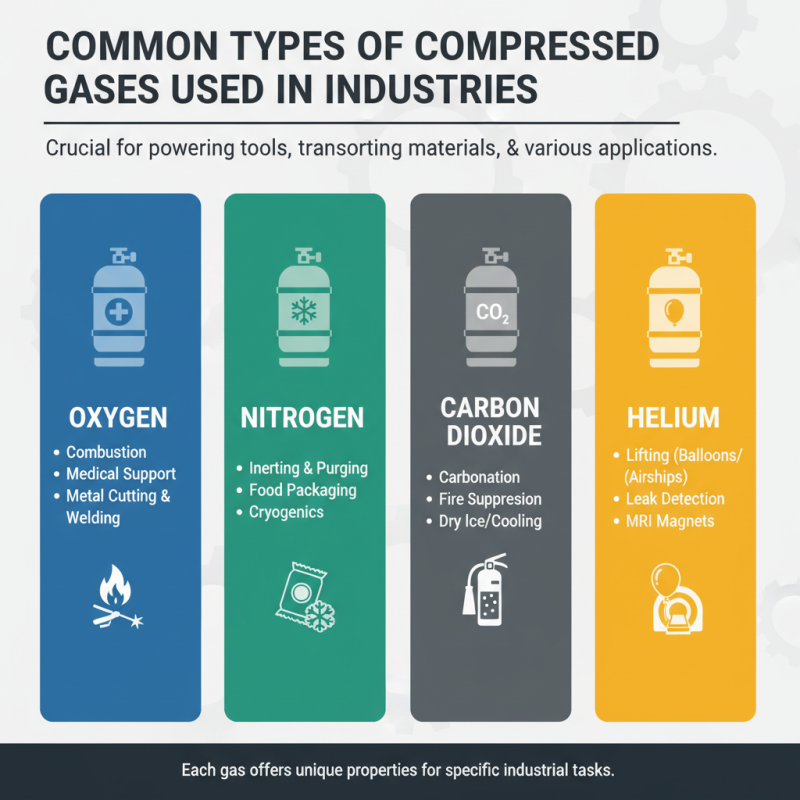
Compressed gases play a crucial role in various industries. They are utilized for a wide range of applications, from powering tools to transporting materials. Common types of compressed gases include oxygen, nitrogen, carbon dioxide, and helium. Each gas has different properties that make it suitable for specific tasks.
Oxygen is essential in medical settings and manufacturing. It supports combustion, allowing for processes like welding and metal cutting. Nitrogen, on the other hand, is often used to preserve food and in chemical processes. It’s an inert gas, which means it prevents oxidation. Carbon dioxide finds its place in the beverage industry for carbonation and also helps in fire suppression systems. Helium is frequently used in balloons and cooling applications.
While compressed gases are valuable, they can be hazardous if not handled correctly. Leaks or improper storage may lead to accidents. Industries must train employees to manage these risks effectively. Each type of gas requires careful monitoring and maintaining safety procedures. Balancing convenience and safety in the workplace can be challenging yet is necessary for success.
Applications of Compressed Gas Across Various Sectors
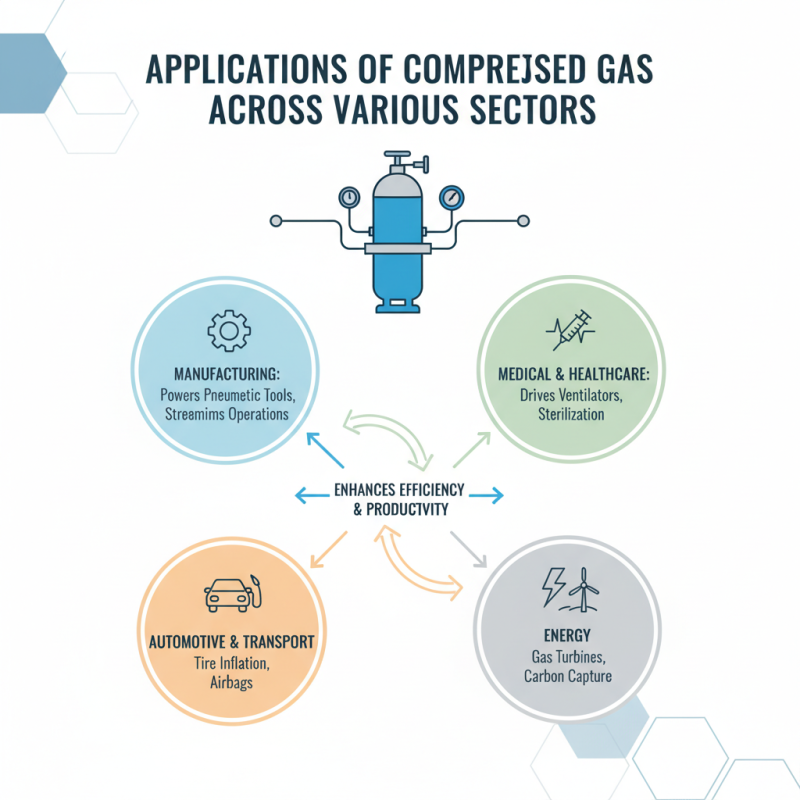
Compressed gas plays a crucial role in various industries. It refers to gases that are stored under high pressure. Many sectors utilize this technology to enhance efficiency and productivity. For instance, in the manufacturing industry, compressed gases are vital for powering pneumatic tools. They streamline operations, making tasks quicker and easier.
In healthcare, compressed gases such as oxygen and nitrous oxide are used extensively. Hospitals rely on them for respiratory support and anesthesia. Reliable gas supply is essential. A lapse in service can impact patient care. Food and beverage industries also depend on compressed gas. Carbon dioxide is used in carbonation, making beverages more appealing. However, safety measures must always be a priority. Mishandling can lead to accidents or leaks, which could have serious consequences.
Compressed gas is not without its challenges. Proper training is necessary to ensure safe use. Workers must understand the risks associated with high-pressure gases. Regular maintenance of storage tanks and equipment is critical. Awareness and education can help mitigate risks, ensuring a safer working environment.
Safety Standards and Regulations for Handling Compressed Gas
Compressed gas is vital across various industries, from healthcare to manufacturing. However, the handling of such gases must adhere strictly to safety standards and regulations. According to the Compressed Gas Association (CGA), over 1,300 incidents involving compressed gases are reported annually. Each incident can lead to severe injuries or even fatalities, highlighting the importance of rigorous safety protocols.
Regulations from entities like the Occupational Safety and Health Administration (OSHA) dictate the handling of compressed gases. Proper training is crucial. Employees must understand the risks associated with specific gases, whether they’re toxic, flammable, or inert. It’s essential for facilities to provide personal protective equipment (PPE) and ensure regular maintenance checks on gas cylinders. Reports from the National Fire Protection Association (NFPA) indicate that nearly 50% of accidents occur due to equipment failure or improper handling.
Even with stringent regulations, compliance remains a challenge. Many facilities do not regularly update their safety protocols. The lack of education can lead to dangerous situations. Approximately 40% of workers have admitted to not fully understanding the hazards. Continuous training and audits are necessary to bolster safety measures. A robust culture of safety supports not just compliance but also the well-being of all employees involved in handling compressed gases.
Benefits and Challenges of Using Compressed Gas in Industries
Compressed gas is pivotal in various industries, utilized for tasks such as powering equipment, transporting substances, and providing energy. While the benefits of using compressed gas are significant, there are challenges that industries must address. According to a recent industry report, around 40% of manufacturing operations rely on compressed gases for efficiency and productivity.
The primary advantage of compressed gas is its versatility. It can be used in several applications, from healthcare to manufacturing. For example, in the medical field, compressed oxygen is critical for patient care. Additionally, compressed air is essential for powering tools in construction, thus streamlining operations. However, the reliance on compressed gas creates safety concerns. Proper storage and handling protocols are vital. A failure to adhere to these guidelines can lead to accidents and inefficiencies.
Tips: Regularly inspect cylinders and maintain equipment for optimal safety. Ensure workers are trained in safe handling procedures. Identifying potential risks can minimize accidents. Moreover, with rising costs, companies should analyze their gas usage. Inefficient practices can lead to unnecessary expenses that affect the bottom line.
Despite benefits, compressed gas usage has its drawbacks. Leakage can be an issue, leading to safety hazards. Additionally, the environmental impact of transporting compressed gases should not be overlooked. Industries must scrutinize their practices and seek alternative solutions when necessary. Balancing efficiency with safety is crucial for sustainable operations.