How to Choose the Best Air Separation Unit Provider for Your Needs
Choosing the right Air Separation Unit Provider is a critical decision for companies aiming to enhance their operational efficiency and product quality. As Mark Thompson, an industry expert and consultant in the air separation sector, states, “Selecting the right provider can make or break your project's success.” With the growing demand for gases in various industries, understanding how to evaluate and choose the best air separation unit provider is essential for businesses seeking to optimize their processes and investments.
In the air separation industry, providers differ significantly in terms of technology, service offerings, and overall reliability. It’s crucial for companies to conduct thorough research and consider various factors such as experience, technological capabilities, and customer support when identifying the right partner. By prioritizing these aspects, companies can ensure that they not only meet their operational requirements but also align with their long-term strategic goals.
This article aims to shed light on the essential criteria to consider when selecting an air separation unit provider. By examining industry standards and expert insights, we will guide you through the process, ensuring that your choice fosters innovation and efficiency in your operations. As you navigate this landscape, keep in mind that the right provider is not just a supplier—it's a partner in your success.

Identifying Your Air Separation Unit Requirements
When considering an air separation unit (ASU) provider, identifying your specific requirements is crucial. The air separation process is tailored to produce specific gases, such as oxygen, nitrogen, and argon, in varying capacities and purities. According to a recent report by MarketsandMarkets, the global air separation unit market is expected to grow significantly, driven by rising demand across industries like healthcare, energy, and manufacturing. Therefore, understanding your process needs, including the purity levels and volume of gases required, is essential for selecting the right provider.
Tips for establishing your requirements include conducting a thorough assessment of your current and future gas consumption patterns. Analyze factors such as peak usage times, integration with existing processes, and potential future expansions. This data will not only help in choosing a suitable ASU but will also allow for scalable solutions. Additionally, consider the energy efficiency of potential units, as optimizing energy consumption can result in substantial cost savings over time.
Moreover, it is important to evaluate the technological capabilities of potential providers. For instance, understanding their approach towards automation, monitoring, and maintenance is vital in ensuring operational efficiency. Keep an eye on reports from industry bodies, such as the International Gas Union, which provide insights into technological advancements and trends within the air separation sector, helping you to make an informed decision.
Evaluating the Experience and Reputation of Providers
When considering the best air separation unit (ASU) provider for your specific needs, evaluating the experience and reputation of potential providers is paramount. A company’s history in the industry can provide essential insights into its capabilities and reliability. Look for providers with a proven track record of successful installations and a variety of projects, as this indicates their ability to handle different requirements and challenges. Furthermore, assessing their technical expertise and innovative solutions will give you confidence that they can meet your specific air separation needs effectively.
In addition to experience, the reputation of ASU providers is critical in making an informed decision. Researching customer testimonials, case studies, and third-party reviews can help paint a comprehensive picture of a provider's reliability and service quality. Engaging with industry peers or attending relevant conferences may also offer valuable recommendations based on firsthand experiences. A provider that is well-regarded within the industry is likely to offer not only quality products but also superior customer service and support, ensuring a smoother collaboration throughout the project lifecycle.
How to Choose the Best Air Separation Unit Provider for Your Needs - Evaluating the Experience and Reputation of Providers
| Provider Experience (Years) |
Number of Projects Completed |
Customer Satisfaction Rating (1-5) |
Industry Certifications |
Geographical Presence |
Technical Support Availability |
| 15 |
200 |
4.7 |
ISO 9001, ASME |
Global |
24/7 |
| 10 |
150 |
4.5 |
ISO 14001 |
North America, Europe |
Business hours |
| 20 |
300 |
4.9 |
ISO 45001, ASME |
Asia, Europe, America |
On-call |
| 5 |
80 |
4.2 |
ISO 9001 |
Local |
Weekdays |
Comparing Technology and Equipment Offered by Providers
When choosing an air separation unit (ASU) provider, it is crucial to conduct a thorough comparison of the technology and equipment each provider offers. Industry reports indicate that the efficiency of air separation technologies can vary widely, impacting not only the initial investment but also operational costs over time. For instance, cryogenic air separation is often preferred for larger scale operations due to its high purity levels and efficiency, while membrane and pressure swing adsorption methods may be suitable for smaller applications. A recent market analysis revealed that cryogenic processes could deliver up to 99.999% purity for oxygen, highlighting their essential role in industrial applications.
Tips for selection include assessing the provider's technological innovations, such as energy recovery systems or modular designs, which enhance efficiency and reduce costs. Investigate the types of equipment available, ensuring they align with your specific operational requirements. Furthermore, consider the long-term support and maintenance offered by the provider, as continuous support is vital for sustaining optimal performance and minimizing downtime. According to a report from a leading industry analyst, facilities that collaborate closely with their equipment providers experience a significant reduction in unplanned maintenance events—up to 30%—which emphasizes the value of a trustworthy partnership.
Additionally, it's important to examine the scalability of the ASU systems offered. As market demands or production levels fluctuate, the ability to scale operations without extensive modifications can provide a competitive edge. Advanced modular systems allow for incremental capacity increases without major disruptions, aligning with projected industry growth rates which estimate a substantial increase in air separation demand over the next decade. This foresight in planning ensures that your investment remains viable and responsive to changing market conditions.
Comparison of Air Separation Unit Providers
Assessing Customer Support and After-Sales Service
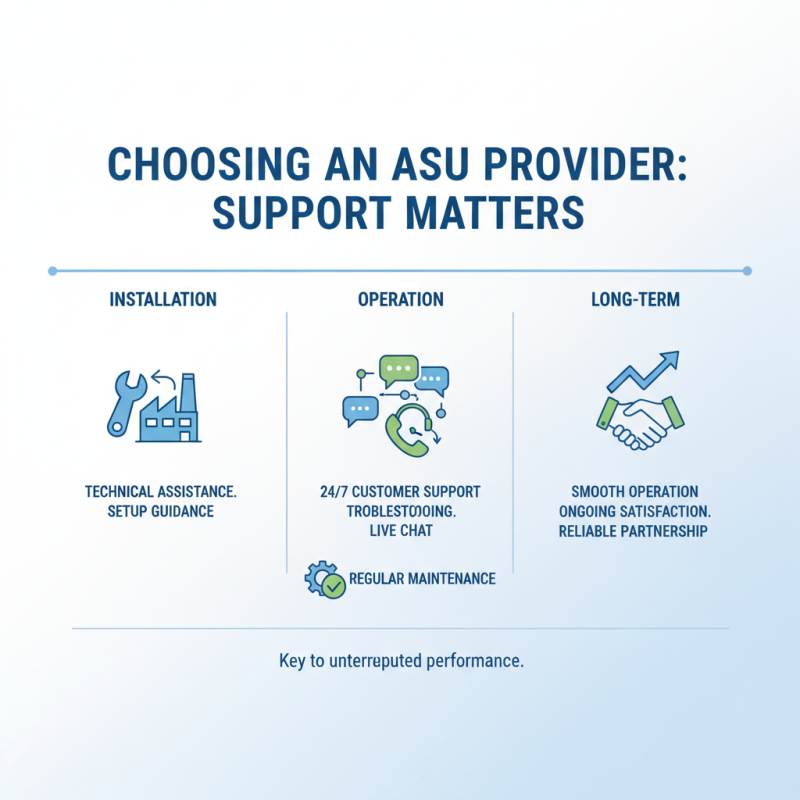
When selecting an air separation unit (ASU) provider, evaluating customer support and after-sales service is crucial for ensuring a smooth operation and ongoing satisfaction. A reliable provider should offer comprehensive support to address any technical issues that may arise during installation and operation. This includes having a dedicated customer support team available for immediate assistance, troubleshooting guidance, and regular maintenance check-ups. Effective communication channels, such as phone support, email, and live chat, are essential features that contribute to prompt problem resolution.
Moreover, assessing the quality of after-sales service is equally important. A good ASU provider not only installs the unit but also commits to a long-term partnership. This includes providing training for operational staff, offering warranty options, and ensuring timely delivery of spare parts. A proactive approach in after-sales service, such as routine follow-ups and the availability of on-site support, indicates a provider’s commitment to customer satisfaction. By focusing on these aspects, businesses can make informed decisions and choose a provider that aligns with their operational needs and long-term goals.
Analyzing Cost and Financial Considerations in Provider Selection
When selecting an air separation unit (ASU) provider, financial considerations play a crucial role in ensuring that the chosen solution aligns with your budget and operational needs. Initially, it's vital to evaluate the initial investment required for the ASU system, including costs for equipment, installation, and commissioning. This upfront expenditure can vary significantly among providers. A comprehensive cost analysis will help you understand not only the immediate financial commitment but also the potential return on investment over time based on your specific operational requirements.
Moreover, operating costs, which encompass maintenance, energy consumption, and potential downtime, must also be factored into your decision. An efficient ASU design can lead to significant savings in utility expenses, particularly in energy-intensive applications. It's essential to inquire about ongoing support, warranty options, and the availability of spare parts to avoid unexpected financial burdens during the system's lifecycle. By assessing these financial aspects thoroughly, you can make a more informed choice, ensuring that you select an ASU provider that not only meets your technical needs but also fits within your long-term financial strategy.