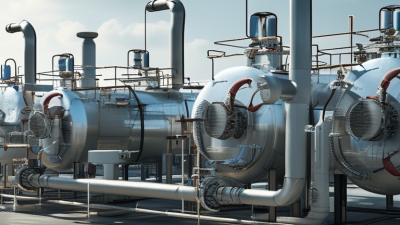
China Best Cryogenic Air Separation Plant for Global Buyers?
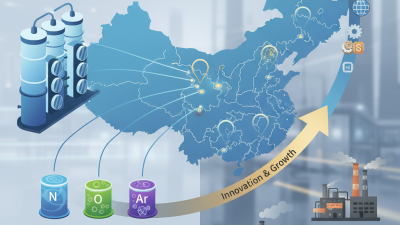
China has emerged as a leader in the production of advanced industrial systems, including the Cryogenic Air Separation Plant. These plants play a critical role in producing high-purity gases like oxygen, nitrogen, and argon. As global industries strive for efficiency and sustainability, the demand for such technology grows. China's expertise in this field stems from years of innovation and significant investment in research and development.
The Cryogenic Air Separation Plant operates through a complex process that requires precision and reliability. Strategic locations and technological advancements position China as a key player in the global market. Buyers can access state-of-the-art systems tailored to various industrial needs. This can lead to competitive advantages in sectors such as healthcare and manufacturing.
However, the scale of production and potential environmental impacts must be considered. While the technology promises benefits, it also raises important questions about sustainability and energy consumption. Buyers should evaluate their choices carefully against the backdrop of China's ongoing commitment to improving its industrial practices.
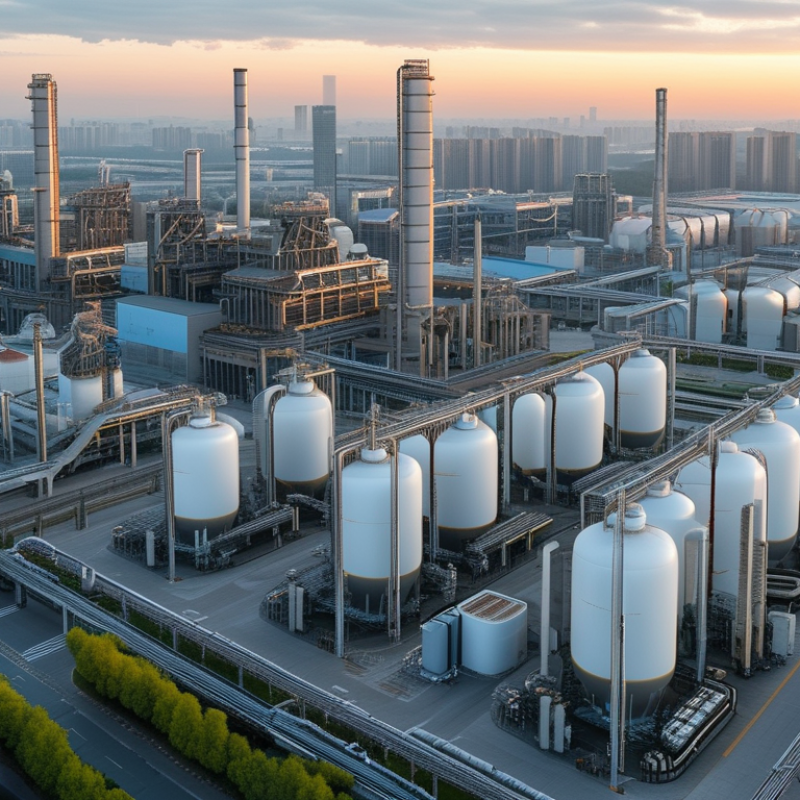
Overview of Cryogenic Air Separation Technology
Cryogenic air separation technology is crucial in producing gases like oxygen, nitrogen, and argon. This method involves cooling air to extremely low temperatures. At these temperatures, air components liquefy and can be separated. It is a complex and energy-intensive process, yet it is highly effective.
In a typical cryogenic air separation plant, air is compressed and filtered to remove impurities. It is then cooled down, which leads to liquefaction. The plant operates under strict safety measures. These measures ensure that the system works efficiently while protecting personnel and the environment. However, potential challenges include maintaining optimum temperatures and the risk of equipment failures. Operators must regularly analyze system performance to ensure reliability and efficiency.
Our understanding of cryogenic processes is still evolving. Ongoing research aims to improve energy efficiency and reduce operational costs. Industry feedback plays a vital role in this development. Real-world applications drive innovation, yet there is much to learn. As plants advance, they will require skilled professionals who can adapt to new technologies. This creates opportunities for growth and improvement in the field of air separation.
Key Features of China’s Leading Air Separation Plants
China leads the global market in cryogenic air separation plants. These facilities efficiently produce oxygen, nitrogen, and argon. They utilize advanced technology to enhance productivity and reduce energy consumption. According to industry reports, up to 40% of the world's industrial gases are produced by air separation plants.
The key features of China's leading plants include high efficiency and low operational costs. They often employ state-of-the-art distillation columns and heat exchangers. This results in robust performance under varying loads. Moreover, data shows that these systems can achieve a purity level of over 99.999% for oxygen. However, there are challenges. Maintenance and operational training are crucial for optimal performance. Regular upgrades are necessary to keep pace with technological advancements.
The competitive landscape requires constant improvement. Despite the leading technology, some plants struggle with energy costs. A recent analysis indicated that energy expenses constitute over 60% of operational costs. Such insights reveal areas needing attention and innovation. Balancing efficiency and cost remains a pressing issue. The commitment to sustainability is also becoming more important. Adapting to environmental standards is a growing concern for many operators.
China's Leading Cryogenic Air Separation Plants Performance
Global Market Trends in Cryogenic Air Separation
The cryogenic air separation market is evolving rapidly. Companies worldwide seek efficient methods to separate air into its fundamental components: nitrogen, oxygen, and argon. The demand for high-purity gases in industrial applications drives this growth.
China's advancements in cryogenic technology are noteworthy. The nation has invested in innovative designs and operational efficiencies. Many facilities focus on reducing energy consumption. This focus on sustainability aligns with global environmental goals. However, it also raises questions about the balance between efficiency and cost. Some facilities struggle with maintaining profit margins while adopting new technologies.
As the global market shifts, buyers must adapt. They need to consider reliability and technological support when selecting providers. The trend toward automation in air separation plants is significant. Automation promises greater operational efficiency but requires skilled personnel for management. Balancing these aspects poses challenges for businesses. Companies must invest in training and development to keep pace with technology.
China Best Cryogenic Air Separation Plant for Global Buyers
| Region |
Production Capacity (Nm³/h) |
Oxygen Purity (%) |
Nitrogen Purity (%) |
Investment Cost (Million USD) |
| East China |
1500 |
99.6 |
99.9 |
10 |
| North China |
2000 |
99.5 |
99.7 |
12 |
| South China |
1800 |
99.7 |
99.8 |
11 |
| Central China |
1200 |
99.4 |
99.6 |
9 |
| West China |
1000 |
99.3 |
99.5 |
8 |
Top Chinese Manufacturers in Cryogenic Air Separation Industry
The cryogenic air separation industry in China has seen impressive growth. Several manufacturers have established themselves as key players in this field. Their expertise stems from years of experience and significant investment in research and development. Many of these companies focus on producing efficient and reliable systems. They aim to meet the increasing global demand for high-purity gases.
Top manufacturers in this sector often prioritize innovation. They explore new technologies to enhance productivity while minimizing energy consumption. However, quality control remains a challenge. Some manufacturers struggle to maintain consistent standards across their products. This can lead to performance issues and client dissatisfaction.
The manufacturing landscape also faces external pressures, such as fluctuating raw material prices and environmental regulations. These factors can impact production costs and delivery timelines. Companies must adapt to these changes to remain competitive. Despite these challenges, the potential for growth in international markets is substantial. Many firms are positioning themselves to capitalize on this opportunity.
Benefits of Choosing Chinese Air Separation Solutions for Buyers
When considering air separation solutions, Chinese manufacturers offer unique advantages. Their expertise in cryogenic technologies showcases years of research and development. These companies have built facilities with state-of-the-art techniques, ensuring high efficiency in gas production. Many buyers appreciate the tailored solutions that meet specific industrial needs.
Cost-effectiveness is another significant benefit. Chinese air separation plants often provide competitive pricing without compromising quality. Buyers can access top-tier technology at a fraction of the cost compared to offerings elsewhere. However, there is a need for careful supplier selection. Not all manufacturers maintain the same production standards or service levels.
Reliability is crucial in this industry. Many Chinese manufacturers are enhancing their reputation by investing in quality control. Active feedback loops and customer support help improve services. Yet, potential buyers should remain vigilant. Researching supplier backgrounds and past projects helps ensure a successful partnership. Overall, the intricate balance of quality and cost makes Chinese air separation solutions appealing for global buyers.