Why is Boil-Off Gas Helium Extraction Important for the Future?
The extraction of helium from boil-off gas presents significant implications for our future. As helium becomes scarcer, methods to reclaim it are crucial. Boil-Off Gas Helium Extraction can address both resource management and energy sustainability.
Helium is vital in various industries, from medical imaging to aerospace. The current supply is dwindling, raising concerns about availability. Innovative techniques, such as extraction from boil-off gases, can make a difference. We must capitalize on every opportunity to harness helium efficiently.
Yet, challenges persist. The technology for effective extraction needs further refinement. We must acknowledge limitations and explore ways to improve. This approach ensures that helium remains accessible for essential applications. In a rapidly evolving world, Boil-Off Gas Helium Extraction could be a game-changer.
Importance of Helium in Modern Technology and Industry
Helium is essential for various modern technologies. It is a non-renewable resource, yet its demand consistently grows. This invisible gas plays a critical role in industries like aerospace, healthcare, and electronics. For instance, helium cools MRI machines, ensuring accurate medical imaging. In aerospace, it's crucial for analyzing data from high-altitude balloons.
The challenges of helium extraction are complex. Boil-off gas helium extraction can reclaim helium that would be lost during production and storage. It captures this precious resource before it escapes into the atmosphere. Currently, not all industries utilize this extraction method effectively. Awareness and investment in helium recovery technology lag behind the increasing demand. Inadequate extraction processes can lead to unnecessary waste of helium.
Additionally, as technologies advance, the applications for helium expand. Emerging fields like quantum computing and advanced materials rely on helium’s unique properties. However, many still overlook its significance. The future hinges on our ability to adapt and innovate in helium extraction and utilization. Making the most of available resources is not just beneficial but necessary. Striving for sustainability should be at the forefront of discussions about helium use.
Importance of Helium in Modern Technology and Industry
Understanding Boil-Off Gas and Its Role in Helium Recovery
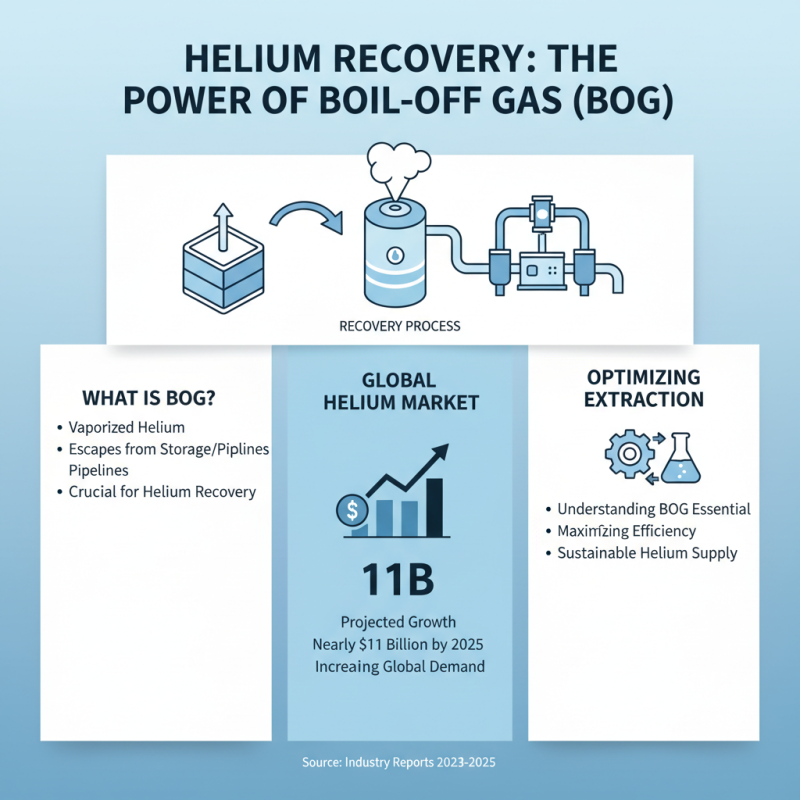
Boil-off gas (BOG) refers to the vaporized helium that escapes from storage tanks or pipelines. This gas is crucial for helium recovery, especially in the context of increasing global demand. The global helium market is projected to grow significantly, reaching nearly $11 billion by 2025. Understanding BOG is essential for optimizing helium extraction processes.
The extraction of helium from BOG reduces wastage and enhances economic efficiency. This gas can be captured and processed to yield valuable helium. According to industry reports, about 20% of helium is lost due to boil-off. This highlights a critical area for improvement in recovery techniques. Helium, a finite resource, is vital for various applications, including medical imaging and space exploration.
**Tip:** Implementing advanced liquefaction technologies can enhance BOG recovery. Ensuring proper insulation in storage systems can also minimize losses. Monitoring systems can help detect and quantify BOG levels effectively.
With rising helium prices, there is increased pressure for efficient recovery methods. Acknowledging inefficiencies helps drive innovation. Companies in the field must reflect on their processes and strive for improvements. Maximizing BOG utilization can lead to greater sustainability in helium production.
Methods of Helium Extraction from Boil-Off Gas
The extraction of helium from boil-off gas is becoming increasingly significant. As global demand for helium rises, innovative methods need to be developed. The helium industry is expected to grow at a CAGR of 4.1% from 2023 to 2028. This growth emphasizes the need for reliable extraction techniques.
One effective method involves capturing gas released during the cooling of liquefied natural gas (LNG). This boil-off gas contains around 0.2% to 1.5% helium, depending on the latest data reports. The process typically uses adsorption techniques. These techniques can recover about 85% of the helium present. However, challenges remain. The efficiency of these methods can vary significantly based on the LNG composition.
Another method is cryogenic separation. This approach can effectively collect helium at very low temperatures. While this method is effective, it requires significant energy input. Some studies have shown that energy costs can account for up to 30% of operational expenses. As technology advances, refining these methods is essential to ensure sustainable and cost-effective helium extraction. This challenge remains a critical focal area, demanding ongoing research and development.
Environmental and Economic Benefits of Helium Extraction
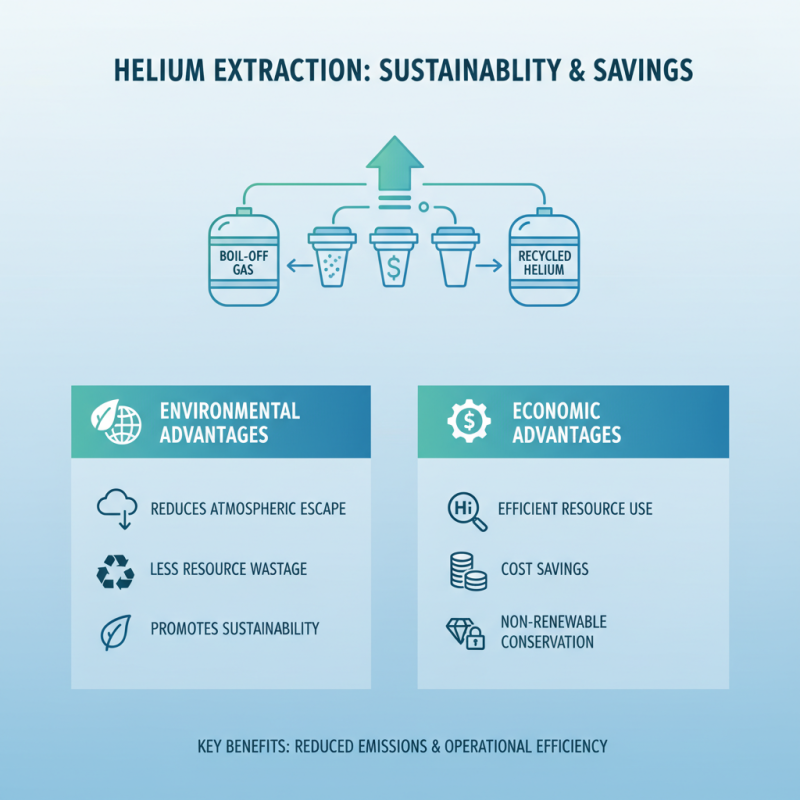
The extraction of helium from boil-off gas presents significant environmental and economic advantages. Helium is a non-renewable resource, so efficient extraction is essential. By utilizing boil-off gas, we can capture and recycle helium that would otherwise escape into the atmosphere. This reduces wastage, promoting sustainability in resource management.
On the economic front, helium plays a vital role in various industries. It is crucial for medical technologies, like MRI machines, and in the aerospace sector. Capturing helium from boil-off gas can lower production costs and foster innovation. However, there are challenges. Infrastructure for helium extraction may be underdeveloped. Investments in this area are crucial but can be daunting for some regions.
Another point of reflection is the environmental impact. Helium extraction can be energy-intensive. If not managed carefully, it may offset some of the benefits. Striking a balance between extraction and environmental sustainability is imperative. Awareness and responsible practices are needed to ensure that helium remains available for future generations. This approach allows for a more sustainable future and minimizes potential negative effects.
Future Trends and Innovations in Helium Extraction Technologies
The extraction of boil-off gas helium is becoming crucial for future energy solutions. This process offers a way to recover helium from liquefied natural gas systems. As supply concerns grow, innovative extraction technologies are emerging. These methods will improve efficiency and reduce waste.
New techniques include advanced cryogenic systems. These systems can capture helium more effectively. They minimize the loss of this valuable resource. Moreover, the integration of AI can enhance operational monitoring and decision-making. These trends show how technology is evolving in helium extraction.
Tips: Regular maintenance of extraction systems is critical. Small leaks can lead to significant losses. Be proactive in monitoring. Efficiency can often be improved with simple upgrades. A robust database tracking helium levels can offer deeper insights. Embrace innovation but also reflect on existing processes to ensure success.