2025 Guide: How Cryogenic Hydrogen Solutions Are Transforming Energy Storage
In the evolving landscape of energy storage, understanding the potential of innovative technologies is paramount. Cryogenic Hydrogen Solutions stand out as a transformative approach that is set to reshape how we perceive and utilize energy storage systems. By harnessing the advantages of hydrogen in its cryogenic state, these solutions offer unparalleled advantages in terms of efficiency, safety, and sustainability.
As we progress towards the year 2025, it becomes increasingly essential to grasp how these advancements can optimize energy management while meeting the growing demands for cleaner, renewable sources.
This guide aims to explore the intricacies of Cryogenic Hydrogen Solutions, providing essential insights and practical tips for stakeholders across various sectors. From their technical fundamentals to real-world applications, readers will gain a comprehensive understanding of how these solutions can revolutionize energy storage. Additionally, we will delve into the benefits they offer, such as reduced carbon emissions and improved energy efficiency, thereby highlighting their crucial role in a sustainable energy future. As we embark on this enlightening journey, be prepared to discover how Cryogenic Hydrogen Solutions are not just a fleeting trend, but a cornerstone of tomorrow's energy systems.
Understanding Cryogenic Hydrogen Storage: Fundamentals and Benefits
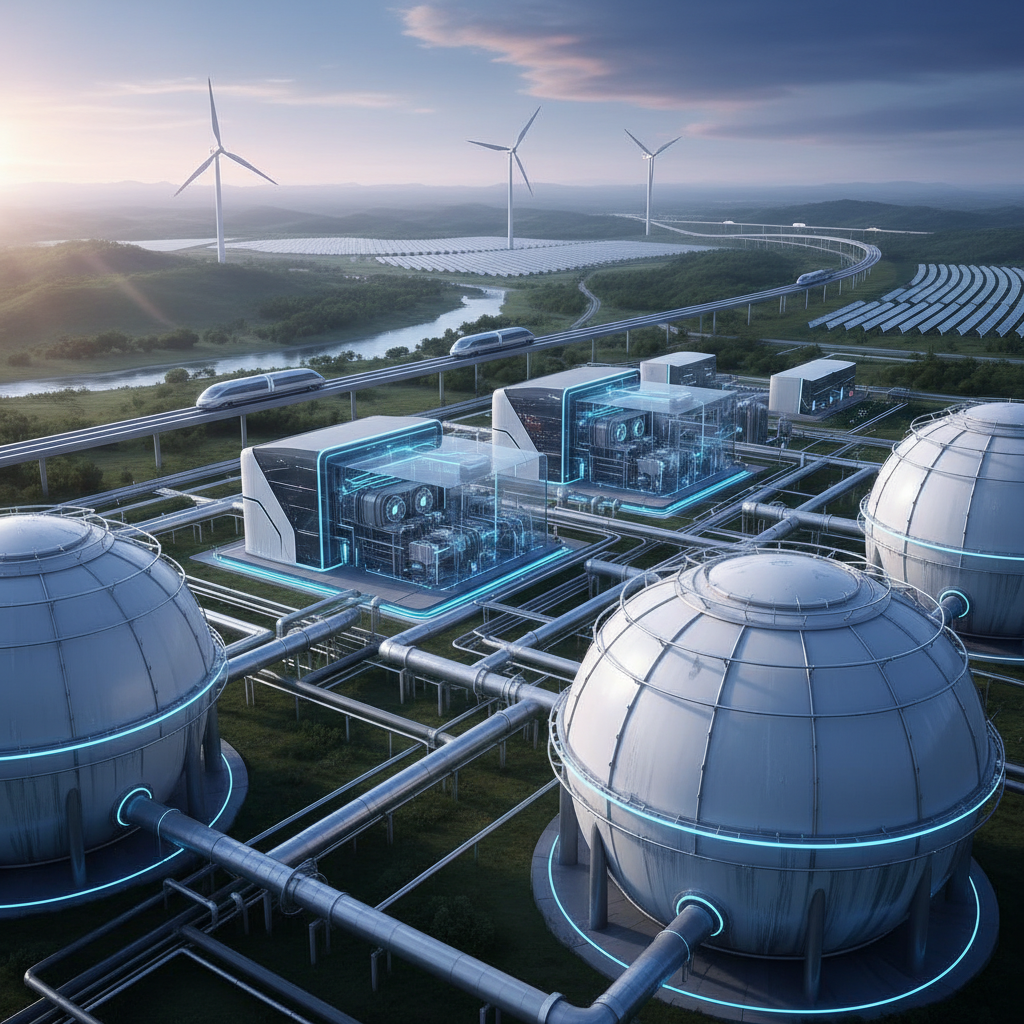
Cryogenic hydrogen storage is an innovative method that uses extremely low temperatures to liquefy hydrogen, allowing for efficient storage and transport. By cooling hydrogen to below its boiling point of -253°C, it occupies much less space compared to its gaseous state, thereby enhancing storage capacity. This method is particularly beneficial for large-scale energy applications, such as renewable energy integration, where surplus energy from sources like wind and solar can be effectively stored in the form of liquid hydrogen for later use.
The benefits of cryogenic hydrogen storage extend beyond capacity. The process allows for rapid refueling and energy retrieval, making it an ideal solution for energy systems that require quick responses to demand fluctuations. Additionally, this technology contributes to reducing carbon emissions by facilitating the use of hydrogen as a clean energy carrier. Its ability to bridge the gap between intermittent renewable energy sources and the need for reliable energy supply positions cryogenic hydrogen storage as a key player in the transition to a sustainable energy future.
Innovative Cryogenic Technologies Driving Energy Efficiency in Storage Solutions
Innovative cryogenic technologies are at the forefront of transforming energy storage systems, offering significant enhancements in efficiency and sustainability. By employing extremely low temperatures to liquefy hydrogen, these technologies enable the storage of large amounts of energy in a compact form. This method minimizes energy loss during the storage process, making it a highly effective solution for balancing supply and demand in renewable energy systems. As the world shifts towards greener energy sources, cryogenic hydrogen storage presents an opportunity to stabilize the grid against the intermittent nature of solar and wind energy.
Moreover, innovations in cryogenics are not only improving energy density but also reducing costs associated with hydrogen production and storage. Advanced insulation techniques and heat exchange processes are enhancing the overall efficiency of these systems, allowing for more effective energy management. As industries seek to transition to cleaner technologies, the development of cryogenic hydrogen solutions is set to play a pivotal role in driving sustainable energy practices, paving the way for a more resilient and environmentally friendly energy landscape.
Market Trends: The Growing Demand for Cryogenic Hydrogen in Energy Sector
The energy sector is undergoing a significant transformation, and the demand for cryogenic hydrogen solutions is rapidly increasing. According to a report by MarketsandMarkets, the global cryogenic hydrogen market is projected to grow from USD 2.9 billion in 2023 to USD 6.2 billion by 2028, exhibiting a CAGR of 16.5%. This surge can be attributed to the rising need for clean, sustainable energy alternatives as countries strive to meet their carbon neutrality goals.
As industries pivot toward decarbonization, cryogenic hydrogen stands out as a pivotal technology in energy storage. The National Renewable Energy Laboratory (NREL) highlights that cryogenic hydrogen can store excess energy generated from renewable sources, such as solar and wind, effectively addressing the intermittency challenges associated with these energy sources. This capability is essential for achieving a resilient energy grid and enabling a smoother transition to hydrogen as a key fuel source. Furthermore, the ongoing investments in infrastructure—paired with advancements in liquefaction technologies—are expected to enhance the efficiency and scalability of cryogenic hydrogen solutions in both large-scale energy storage and localized applications.
Safety and Environmental Considerations in Cryogenic Hydrogen Applications
Cryogenic hydrogen solutions are becoming increasingly vital in the evolution of energy storage, but safety and environmental considerations are paramount in their application. According to a report by the International Energy Agency, hydrogen is expected to account for up to 14% of the global energy demand by 2050, with cryogenic methods emerging as a key technology. However, the processes involved in handling cryogenic hydrogen, including its liquefaction and storage at temperatures below -253°C, require stringent safety protocols to mitigate risks associated with explosive mixtures and equipment failures.
Environmental implications also play a significant role in the deployment of cryogenic hydrogen systems. The Energy Storage Association indicates that transitioning to hydrogen from fossil fuels could lead to a reduction of up to 70% in greenhouse gas emissions, making it a cleaner alternative. Nonetheless, the lifecycle assessment of cryogenic hydrogen must account for the energy inputs required for liquefaction and storage, which could offset some of the environmental benefits if derived from non-renewable sources. As the industry advances, comprehensive safety regulations and sustainable production methods will be essential to optimize the benefits of cryogenic hydrogen in energy storage while minimizing its environmental impact.
Case Studies: Successful Implementations of Cryogenic Hydrogen Storage Systems

Cryogenic hydrogen storage systems are making significant strides in the energy sector, as demonstrated by a series of successful case studies. One noteworthy implementation is at a renewable energy facility in California, where excess solar power is stored as cryogenically cooled hydrogen. This approach not only alleviates the issue of energy intermittency but also offers a reliable source of energy during peak demand periods. The facility has reported improved efficiency and sustainability, marking a pivotal shift towards greener energy solutions.
For those interested in exploring cryogenic hydrogen systems, here are a few tips: First, assess local climate conditions, as these can affect the performance of storage systems. Second, consider partnering with experienced technology providers to navigate the complexities of installation and maintenance. Finally, evaluate integration possibilities with existing energy systems to maximize operational efficiency and cost-effectiveness.
Another inspiring example comes from Europe, where a logistics company utilized cryogenic hydrogen to power its fleet. By converting liquefied hydrogen into electricity, the company achieved significant reductions in carbon emissions while enhancing fuel efficiency. Such implementations showcase the versatility of cryogenic hydrogen and its potential in various industries, paving the way for a cleaner energy future.